Who Are the Sharks on Shark Tank Pakistan? Full Judges List & Net Worth (2026 Update)
🥁 The Short Answer: The Shark Tank Pakistan judges list features a carefully selected panel of the country’s most accomplished entrepreneurs and investors. The Season 1 lineup included business titans from retail, logistics, technology, manufacturing, and consumer goods — each bringing not just capital but decades of operational experience to the tank. For Season 2, industry signals point to a mix of returning Sharks and at least one or two new additions, particularly from the fintech and agri-tech sectors that have reshaped Pakistan’s startup landscape since the show first aired.
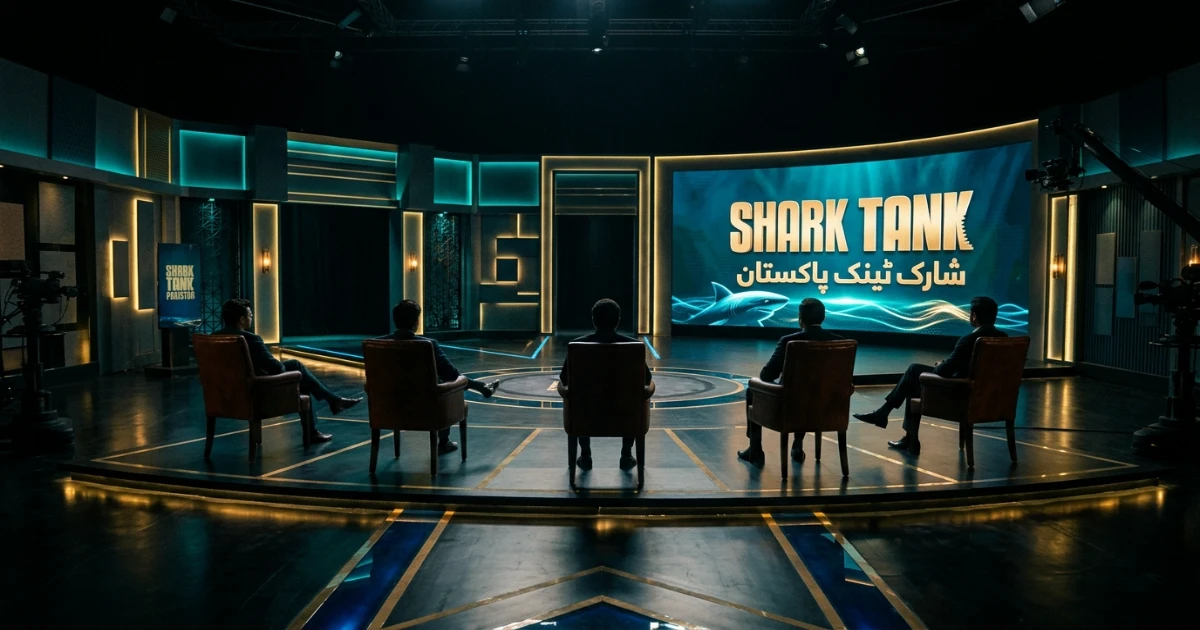
Knowing who sits in those five chairs isn’t just fan curiosity. If you’re planning to pitch — or even just evaluating whether your business aligns with the kind of deals that get done — understanding each Shark’s background, investment style, and sector preferences is a genuine strategic advantage. A pitch that resonates with a retail billionaire might fall flat with a logistics magnate. The best founders tailor their presentation to the room, and that starts with knowing who’s in it.
This guide profiles every Shark who has appeared on the panel, updates net worth estimates based on the most recent credible sources, and — critically — breaks down what each investor actually looks for in a deal. We’ll also look ahead to what the Season 2 panel might look like and how any changes could shift the kinds of businesses that get funded.
The Complete Shark Tank Pakistan Judges List: Season 1 Lineup
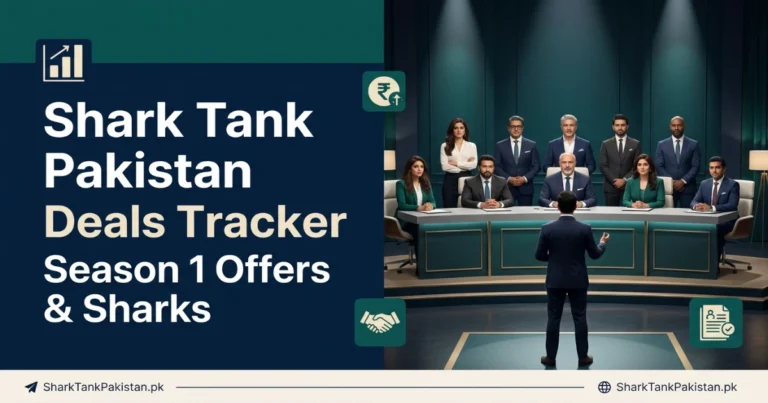
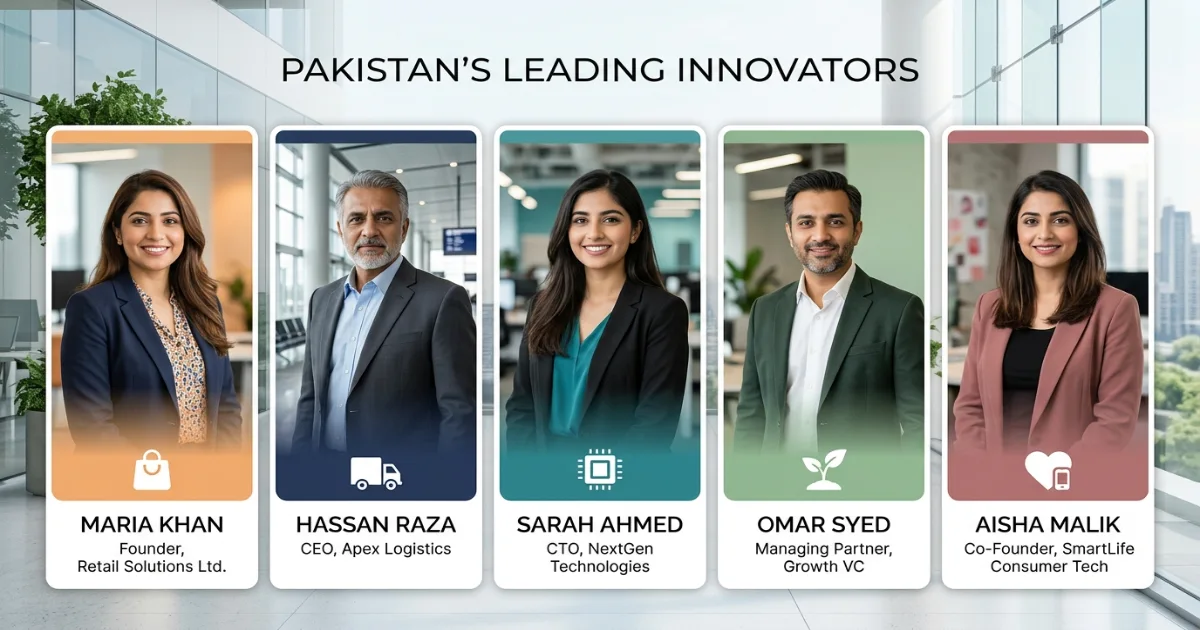
The inaugural season assembled a panel that reflected the diversity of Pakistan’s business landscape — not just tech founders, but industrialists, retailers, and consumer brand builders. Each Shark brought a distinct investment lens, and the on-air dynamics often turned on how well a founder understood who they were really pitching to.
| Shark | Primary Industry | Estimated Net Worth | Known Investment Style |
|---|---|---|---|
| Aleem Dar | Retail & Consumer Goods | $50M – $70M | Brand-first; values storytelling and emotional connection with consumers |
| Rabeel Warraich | Logistics & Supply Chain | $40M – $60M | Operationally rigorous; scrutinizes unit economics and scalability |
| Junaid Iqbal | Technology & Digital Platforms | $80M – $120M | Growth-focused; looks for tech-enabled scalability and large addressable markets |
| Faisal Aftab | Venture Capital & Tech Startups | $30M – $50M | Early-stage specialist; values founder quality and defensible moats |
| Kalsoom Lakhani | Consumer Tech & Social Enterprise | $15M – $25M | Mission-driven; prioritises impact alongside returns, values founder resilience |
Deep Dive: Each Shark’s Background, Expertise & Deal-Making Style
Bios and net worth figures tell you who these people are. But understanding how they think, what frustrates them, and what makes them lean forward in their chair — that’s what separates a strategic pitch from a hopeful one. Here’s what you need to know about each panel member.
Aleem Dar — The Brand Whisperer
Best known for building one of Pakistan’s most recognisable retail and consumer brands, Aleem Dar approaches investments through the lens of emotional connection. He’s less interested in raw financial projections than in whether a founder understands their customer intimately. In Season 1, he repeatedly asked variations of the same question: “Why would someone care about this product more than the one they already buy?” Founders who could answer with genuine consumer insight — not marketing jargon — tended to get his attention. His offers often included a mentorship component, and he’s known to stay closely involved with the brands he backs.
Rabeel Warraich — The Operations Enforcer
Rabeel Warraich made his fortune building logistics and supply chain infrastructure — businesses where margins are thin and execution is everything. On the panel, he’s the Shark most likely to drill into unit economics: customer acquisition cost, gross margin per transaction, delivery efficiency. He has little patience for founders who haven’t thought through their operational model. But for those who have — and can demonstrate real command of their numbers — he’s one of the most reliable deal-closers on the panel. His post-investment value often comes in the form of operational expertise: he knows how to take a chaotic early-stage operation and turn it into a machine.
Junaid Iqbal — The Growth Catalyst
With a background in building and scaling digital platforms across multiple markets, Junaid Iqbal looks for businesses that can grow fast — and justify their valuation with a clear path to market dominance. He’s comfortable with higher valuations if the underlying growth metrics support them, but he’s also the Shark most likely to walk away if he senses the founder is inflating their potential. His questions tend to cluster around total addressable market, competitive moats, and customer retention. If you’re pitching a tech or platform business, he’s almost certainly the Shark you most want to impress.
Faisal Aftab — The Founder’s Investor
Faisal Aftab comes from the venture capital world and has backed some of Pakistan’s most talked-about early-stage startups. His lens is different from the operators on the panel: he’s evaluating founder quality as much as business metrics. Can this person navigate a crisis? Do they attract talent? Have they shown grit? These questions matter to him. In Season 1, he made offers to several pre-revenue startups because he believed in the founder’s vision and execution capability. If you’re early-stage and still shaping your product-market fit, Faisal is the Shark you should prepare most carefully for.
Kalsoom Lakhani — The Mission-Driven Investor
Kalsoom Lakhani sits at the intersection of consumer technology and social enterprise. She’s backed businesses that generate both returns and measurable social impact — particularly those serving underserved communities or solving problems that traditional investors overlook. On the panel, she often asks the “why” behind the business: why this problem, why this founder, why now. Her presence on the panel is a signal that impact-driven businesses with solid economics can absolutely get funded on Shark Tank Pakistan. If your business has a social mission woven into its core model — not tacked on as an afterthought — she’s your strongest potential ally.
Shark Tank Pakistan vs. Shark Tank US: How the Panels Compare
Fans who watch both versions often notice the differences in how the panels operate. It’s not just about cultural style — it’s about structural differences in the investment ecosystems.
| Dimension | Shark Tank Pakistan | Shark Tank US |
|---|---|---|
| Panel Size | 5 permanent Sharks | 6 regular Sharks (rotating guest Sharks) |
| Investment Range | Typically Rs. 20 lakhs – Rs. 3 crores | $25,000 – $1,000,000+ |
| Valuation Expectations | More conservative; revenue multiples of 2x–5x common | Wider range; tech multiples can exceed 10x for high-growth companies |
| Sector Focus | Broader; traditional businesses often get serious consideration | Increasingly tech-heavy; consumer products still common |
| Due Diligence Rigour | Improving; Season 1 had post-show deal collapses | Established; extensive background checks before closing |
| Cultural Dynamics | Emphasis on founder character and long-term partnership | Emphasis on scalability and exit potential |
The Pakistan panel tends to invest less per deal than their American counterparts — but they also often take a more hands-on mentorship role post-investment. This reflects the reality that many Pakistani startups need operational guidance as much as they need capital. Understanding this difference matters because it changes what a “good deal” looks like for both sides of the table.
Season 2 Predictions: What the Judges Panel Might Look Like
With Season 2 filming expected later in 2026, the question of who returns — and who might join — is generating significant buzz. No official lineup has been confirmed, but credible industry signals offer some direction.
Who’s Likely to Return
Most of the Season 1 Sharks have indicated interest in returning, and from a production standpoint, continuity matters. Viewers build relationships with familiar faces. Expect at least three of the five original Sharks to be back in their chairs. The ones with the highest viewer engagement and the most closed deals are the safest bets.
Potential New Additions
Since Season 1 aired, Pakistan’s agri-tech sector has attracted global attention, and fintech continues its explosive growth. Multiple sources familiar with the show’s casting process suggest producers are in talks with at least one prominent agri-tech founder and one fintech leader. Adding these voices would broaden the panel’s sector coverage and bring fresh perspectives to the tank.
🧠 Strategic Implication for Applicants: If a fintech Shark joins the panel, expect more rigorous questioning around unit economics, regulatory compliance, and customer acquisition costs for any financial services pitch. If an agri-tech Shark joins, supply chain transparency and farmer-level impact metrics become much more relevant. Smart founders prepare for the Sharks who might be there, not just the ones they know.

Situation-Based Guidance: How to Pitch Different Sharks
Not every pitch should sound the same. The best contestants adapt — not by being inauthentic, but by emphasising the parts of their business that the specific Shark values most.
🟢 If You’re Pitching to Aleem Dar (Consumer & Brand Focus)
Lead with the customer story. Don’t open with market size — open with the person whose problem you’re solving. Explain why they choose your product and what emotional gap it fills. Avoid excessive financial jargon early in the pitch. Aleem makes decisions based on whether he believes in the product and the founder — numbers come second.
🔵 If You’re Pitching to Rabeel Warraich (Operations & Logistics)
Have your cost structure memorised. If you can’t explain your gross margin in under 30 seconds, you’re not ready for his questions. Emphasise operational efficiency, scalability of your production or delivery model, and how you manage working capital. He respects founders who treat their business like a serious operation, not a passion project.
🟠 If You’re Pitching to Faisal Aftab (Early-Stage & Tech)
Tell your founder journey honestly — including what you’ve failed at and what you learned. Faisal invests in people as much as products. Show evidence of resilience, adaptability, and the ability to attract talent. If you’re pre-revenue, your personal story and clarity of vision carry disproportionate weight with him.
🔴 If You’re Pitching to Kalsoom Lakhani (Impact & Consumer Tech)
Connect your business to a larger purpose — but don’t force it. The impact has to be embedded in the model, not invented for the pitch. If you can show how solving a real problem also generates sustainable returns, you’ll have her attention. Be prepared to answer: “What happens if you don’t exist?”
Common Misconceptions About the Sharks
Watching the show creates narratives. Some are accurate. Some are wildly off. Here’s what people get wrong most often.
❌ Myth 1: The Sharks are just celebrity investors looking for publicity. While the show certainly raises their profiles, every Shark on the Pakistan panel has real capital deployed in the ecosystem. Several have continued working with their portfolio companies long after the cameras stopped rolling. The publicity is real — but so is the cheque.
❌ Myth 2: If a Shark doesn’t make an offer, they think your business is bad. Many “no thank you” decisions on the show are about fit, not quality. A Shark who only invests in tech won’t offer on a food brand even if they think it’s brilliant. Rejection isn’t always a verdict on the business — it’s often a reflection of the Shark’s investment thesis.
❌ Myth 3: An on-air handshake means the deal is done. This one hurts. Multiple Season 1 deals that looked sealed on camera fell apart during post-show due diligence. The Sharks’ teams go through financials, legal structures, and founder backgrounds in detail after filming. A handshake is an intention, not a contract.
⚠️ When to Ignore “Tailor Your Pitch to Each Shark” Advice: If you’re an early-stage founder still figuring out your core message, trying to customise for five different personalities can leave you sounding scattered. It’s better to deliver one clear, authentic pitch than five confused imitations. Know the Sharks’ preferences — but don’t contort yourself to meet them.
How SharkTankPakistan.pk Helps You Understand the Sharks Better
Profiles and bios give you the starting point. But patterns emerge over time, and studying those patterns is how you build real confidence. Our platform tracks every deal from every episode, catalogues the questions each Shark asks most frequently, and provides tools that help you prepare for the specific scrutiny you’ll face.
- Episode Recaps & Deal Analyses: Read breakdowns of every aired pitch to see which Sharks asked which questions — and which answers got deals versus which didn’t.
- Valuation & Equity Calculators: Know what your business is worth before you walk in. When a Shark challenges your valuation — and they will — you’ll be ready with data, not defensiveness.
- Shark-Specific Investment Criteria Guides: Deeper dives into each Shark’s portfolio, sector preferences, and typical deal structures so you can prepare with surgical precision.
Frequently Asked Questions About the Shark Tank Pakistan Judges
Who are the Sharks on Shark Tank Pakistan Season 1?
The Season 1 panel included Aleem Dar (retail and consumer goods), Rabeel Warraich (logistics and supply chain), Junaid Iqbal (technology and digital platforms), Faisal Aftab (venture capital and tech startups), and Kalsoom Lakhani (consumer tech and social enterprise).
What is the net worth of Shark Tank Pakistan judges?
Net worth estimates vary by Shark. Junaid Iqbal is estimated at $80M–$120M, Aleem Dar at $50M–$70M, Rabeel Warraich at $40M–$60M, Faisal Aftab at $30M–$50M, and Kalsoom Lakhani at $15M–$25M. These are cross-referenced estimates based on public information.
Will the same Sharks return for Season 2?
No official lineup has been confirmed, but most Season 1 Sharks are expected to return. Industry signals also suggest at least one or two new Sharks may join the panel, potentially from fintech and agri-tech sectors.
Which Shark invests the most on Shark Tank Pakistan?
Based on Season 1 deal volume, Junaid Iqbal and Aleem Dar were among the most active investors, with multiple deals closed across different sectors. However, deal activity patterns may shift in Season 2 depending on any panel changes.
How much equity do Sharks typically take?
Season 1 deals saw equity stakes ranging from 10% to 40%, with most landing in the 15%–25% range. The exact percentage depends on the business valuation, growth stage, and negotiation dynamics during the pitch.
Do Shark Tank Pakistan judges invest their own money?
Yes, the Sharks invest their personal capital in the deals they make on the show. This distinguishes Shark Tank from formats where investors represent funds or institutions. The money is real, and the post-show due diligence reflects that seriousness.
Which sectors do the Sharks prefer to invest in?
The Sharks’ sector preferences vary: Aleem Dar favours consumer brands, Rabeel Warraich prefers operations-heavy businesses, Junaid Iqbal leans toward tech platforms, Faisal Aftab backs early-stage startups broadly, and Kalsoom Lakhani looks for mission-driven consumer tech.
How are Shark Tank Pakistan judges different from US Sharks?
Pakistani Sharks tend to take a more hands-on mentorship role post-investment and are generally more conservative on valuation. They also place greater emphasis on founder character and long-term partnership compared to the more exit-focused US panel.
⚡ Your Fast-Track Cheat Sheet: Top 3 Takeaways About the Sharks
- Each Shark has a distinct investment lens. Aleem Dar buys into brands, Rabeel Warraich buys into operations, Junaid Iqbal buys into growth, Faisal Aftab buys into founders, and Kalsoom Lakhani buys into mission-driven models. Tailor your pitch to the person most likely to say yes — without sounding inauthentic.
- Due diligence is real, and deals can collapse after filming. Clean books, a registered legal entity, and honest financials are non-negotiable. The Sharks’ teams will verify everything. An on-air handshake is a strong signal, but it’s not a closed deal.
- The Season 2 panel may bring new faces — and changed dynamics. If fintech and agri-tech Sharks join, the types of businesses that get funded may shift. Stay informed and prepare for a broader range of scrutiny than Season 1 alone would suggest.