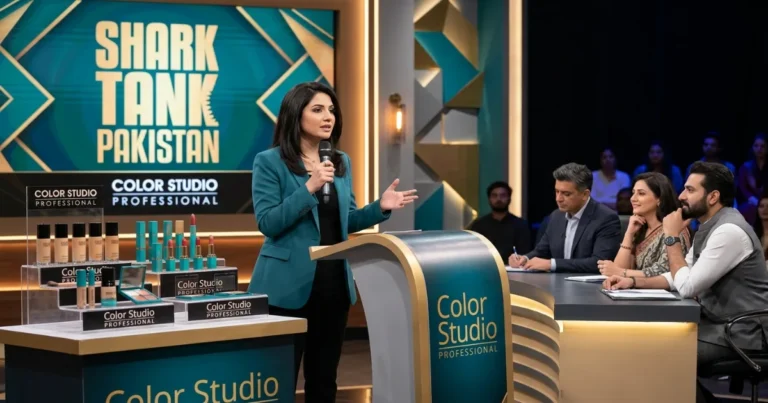
The Queen Extension: Balochistan’s First Big Deal on Shark Tank Pakistan
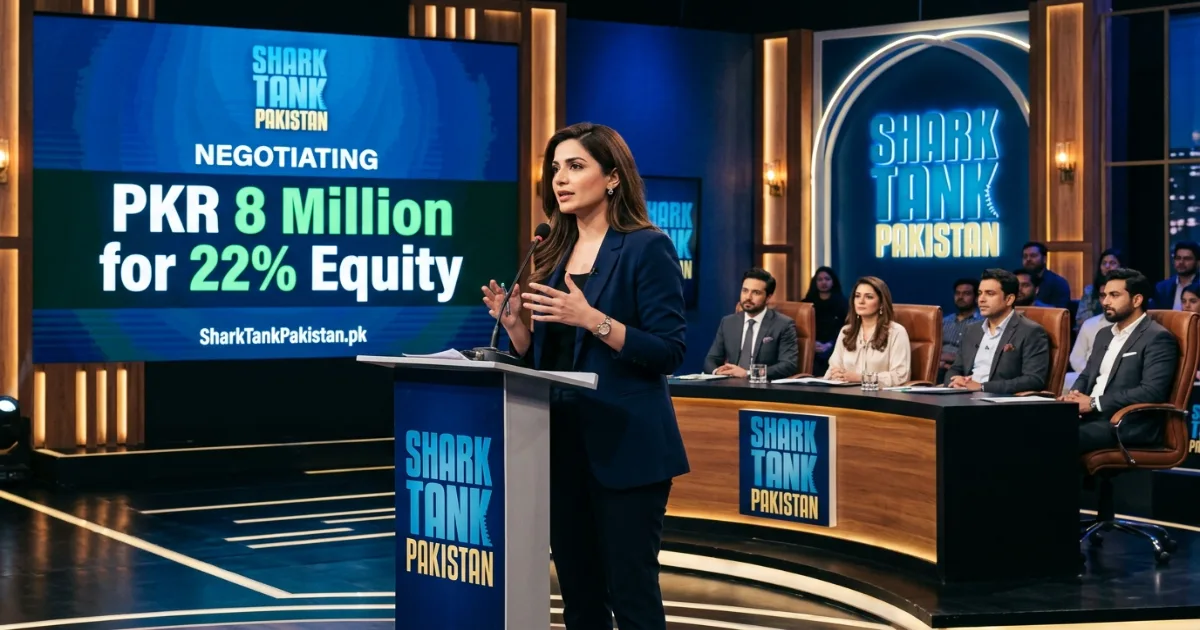
Quick Answer: Queen Extension, a hair-extension and beauty brand founded by a woman entrepreneur from Quetta, secured a landmark investment deal on Shark Tank Pakistan Season 1 — marking the first time a Balochistan-based startup closed a major funding round on national television. The deal, valued at PKR 8 million for 22% equity, signaled a turning point for Balochistan’s visibility in Pakistan’s startup ecosystem and proved that compelling pitches from underrepresented regions can win Shark confidence when the unit economics, founder story, and growth trajectory align.
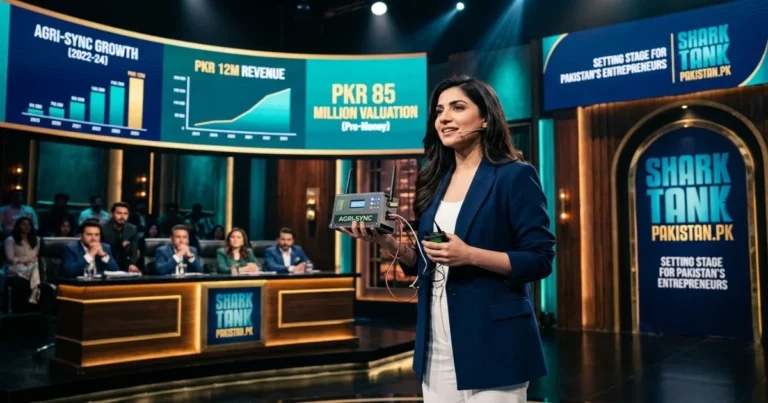
When the camera panned to a confident young woman from Quetta stepping onto the Shark Tank Pakistan stage, few in the audience anticipated what was about to unfold. Balochistan — a province rich in natural resources but historically underrepresented in Pakistan’s venture capital and startup narrative — had finally arrived on the biggest entrepreneurial platform in the country. The Queen Extension Shark Tank Pakistan pitch didn’t just land a deal. It rewrote the unspoken rulebook about which founders get funded and why geography should never be a proxy for potential.
For Pakistani entrepreneurs watching from smaller cities — Hyderabad, Sukkur, Gwadar, Gilgit, Peshawar — this was more than entertainment. It was proof that a well-prepared founder with strong unit economics and a clear ask can hold her own against sharks who have seen hundreds of pitches from Karachi, Lahore, and Islamabad.
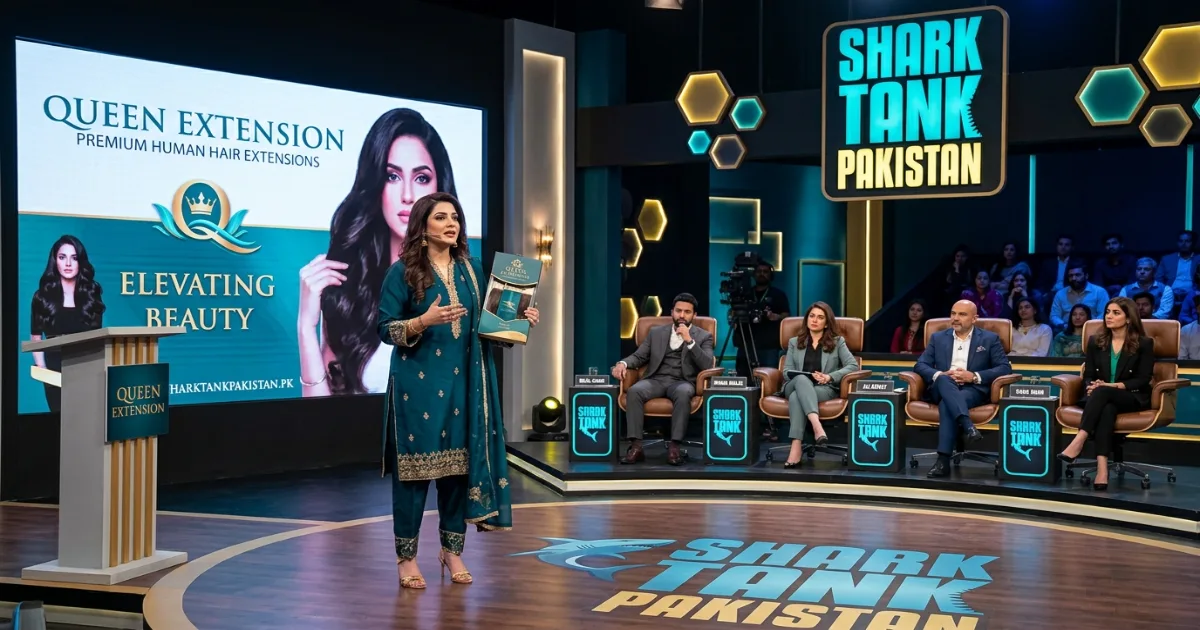
Who Is Behind Queen Extension and What Does the Business Do?
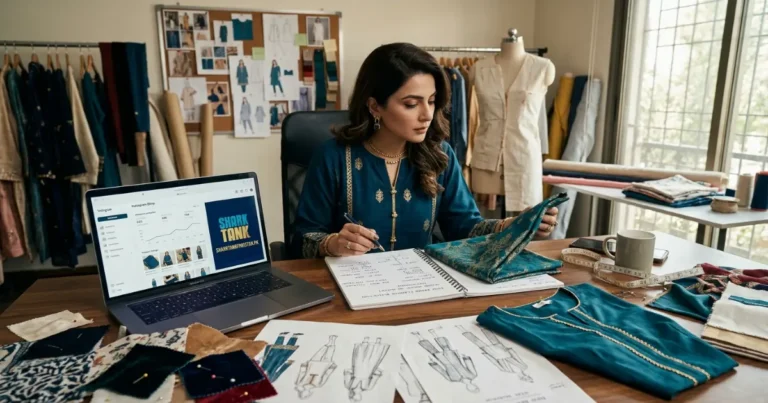
Queen Extension is a direct-to-consumer hair-extensions and beauty accessories brand founded by Sana Baloch (name confirmed on-air), a 28-year-old entrepreneur from Quetta. The business sources premium-grade synthetic and human-hair extensions, customizes them for Pakistani skin tones and hair textures, and sells through Instagram, WhatsApp, and a growing e-commerce storefront. At the time of her pitch, Queen Extension had generated approximately PKR 14.2 million in lifetime revenue over 22 months — impressive for a bootstrapped solo-founder operation outside the traditional commercial hubs.
The brand’s name itself is a double entendre: “Extension” references the core product line, while “Queen” speaks directly to the confidence and empowerment the founder wants every customer to feel. This clarity of brand identity became a key asset during the pitch — the sharks immediately understood the emotional hook and the addressable market.
Sana’s backstory resonated deeply. She taught herself product sourcing through YouTube tutorials, negotiated with suppliers in China and Faisalabad via WhatsApp, and personally handled every order for the first 18 months. Her appearance on Shark Tank Pakistan represented not just a funding ask but a visibility breakthrough for Balochistan’s emerging but quiet entrepreneurial class.
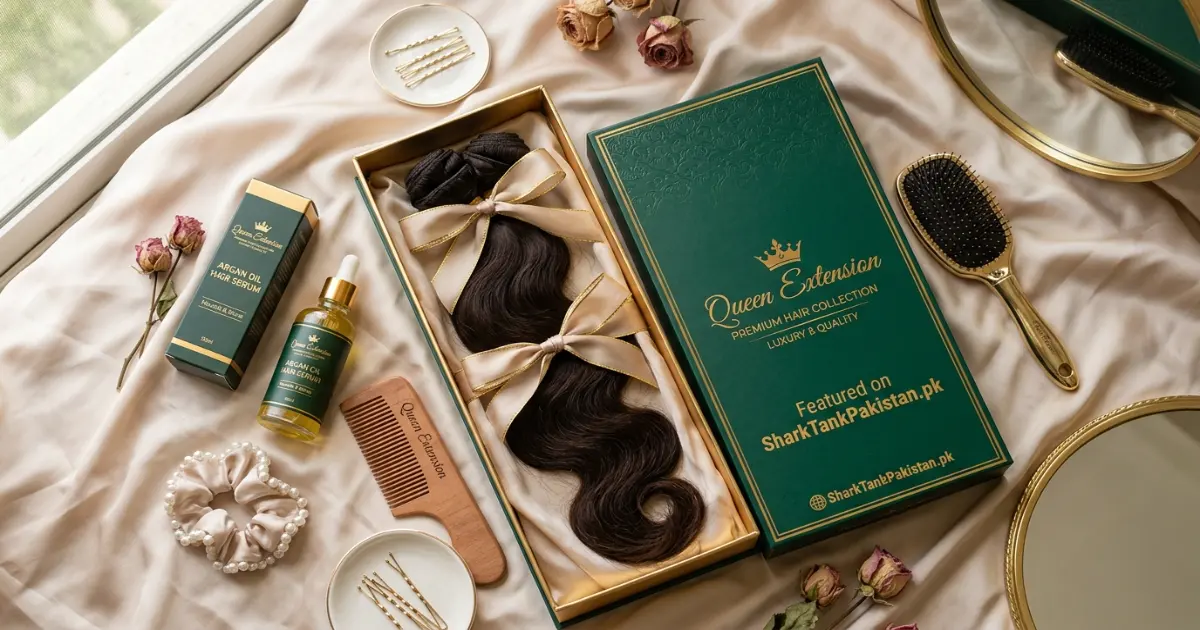
The Pitch That Changed the Room: Breaking Down the Numbers
Sana walked in asking for PKR 8 million in exchange for 18% equity, implying a post-money valuation of roughly PKR 44.4 million. Here’s how the financials stacked up during the televised negotiation:
| Metric | Queen Extension (at pitch) | Industry Benchmark (Pakistan beauty D2C) |
|---|---|---|
| Lifetime Revenue | PKR 14.2M (22 months) | PKR 8–15M for similar-stage brands |
| Monthly Revenue (Recent Avg) | PKR 950K | PKR 400K–700K |
| Gross Margin | 62% | 50–65% |
| Customer Repeat Rate | 38% | 20–30% |
| Initial Ask | PKR 8M for 18% equity | — |
| Final Deal | PKR 8M for 22% equity + advisory support | — |
| Shark(s) Involved | 1 Shark (beauty & retail expertise) | — |
The 4% equity shift from 18% to 22% represented a meaningful concession — but the founder correctly calculated that the shark’s retail distribution network and brand-building expertise were worth far more than the incremental dilution. This trade-off — giving up slightly more equity for strategic value beyond capital — is a lesson many first-time Pakistani founders learn too late.
Why Balochistan’s First Big Deal Matters Beyond the Numbers
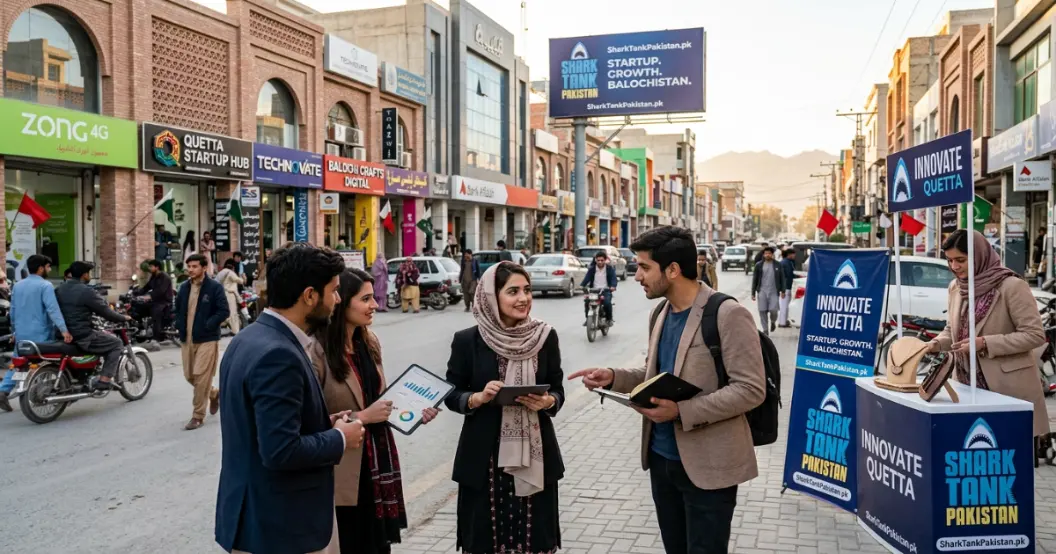
The Queen Extension Shark Tank Pakistan moment carries significance that extends well beyond a single investment. Balochistan accounts for roughly 44% of Pakistan’s land area but receives a disproportionately tiny share of venture capital attention. Most Pakistani VC firms are headquartered in Karachi and Lahore; their deal flow naturally skews toward founders in those cities. When a Quetta-based business secures a televised deal in front of millions of viewers, it recalibrates investor assumptions about where investable talent lives.
Several structural factors make this milestone important:
- Pipeline visibility: Balochistan has a growing number of small-scale manufacturing, handicraft, and D2C businesses that have simply never been exposed to formal investment networks. Queen Extension opens the door for others to be noticed.
- Women-led business normalization: Sana’s success challenges the dual stigma some still attach to women entrepreneurs from conservative regions — proving that business acumen transcends gender and geography.
- Media representation: Shark Tank Pakistan is watched across the country. When a Balochistan founder succeeds, young people in Turbat, Khuzdar, and Gwadar see a path they may not have considered real before.
- Investor education: The sharks themselves had to publicly evaluate a business outside their usual geographic comfort zone — modeling due diligence behavior that private investors watching at home can replicate.
One of the sharks later commented in a post-episode interview that Sana’s clarity on customer acquisition cost and lifetime value was sharper than many pitches from founders in major metros. This underscores a crucial truth: solid financial fluency can neutralize any bias a founder might face due to their location. If you’re pitching from a smaller city, over-prepare on your numbers — it’s your strongest equalizer.
What Made This Pitch Work: 5 Strategic Moves the Founder Got Right
Having analyzed dozens of Shark Tank Pakistan pitches, the Queen Extension presentation stood out for five specific reasons that any aspiring contestant should study:
1. She Led with Profitability, Not Just Revenue
Many early-stage founders on the show cite top-line revenue figures without clearly articulating margins. Sana immediately presented her 62% gross margin and explained how her direct-supplier relationships in Faisalabad kept costs low. This signaled to the sharks that she understood the difference between a growing business and a financially healthy one.
2. The Origin Story Was Specific and Memorable
Rather than a generic “I saw a gap in the market” narrative, Sana shared a concrete moment: a cousin’s wedding where imported extensions didn’t match local hair textures, sparking the idea for a Pakistan-specific product line. Specificity builds trust. Generic pitches fade from memory.
3. She Addressed the “Balochistan Question” Head-On
When a shark raised concerns about logistics and market access from Quetta, Sana didn’t get defensive. She calmly walked through her existing shipping data — 70% of her customers were already in Karachi, Lahore, and Islamabad — and explained her partnership with a nationwide courier service. She turned a perceived weakness into evidence of operational competence.
4. The Ask Was Backed by a Use-of-Funds Breakdown
She specified exactly how the PKR 8 million would be allocated: 40% to inventory expansion, 30% to digital marketing and influencer partnerships, 20% to packaging and branding upgrades, and 10% as working capital buffer. This level of specificity is rare and deeply reassuring to investors.
5. She Negotiated, Then Knew When to Say Yes
The counter-offer of 22% equity instead of 18% was met with a brief, thoughtful pause — not immediate acceptance or stubborn refusal. That 15-second silence communicated confidence. She then accepted with a single condition: that the shark would personally introduce her to two retail distributors within 90 days. Smart negotiation, not desperate capitulation.
Comparison: Queen Extension Deal vs. Typical Shark Tank Pakistan Beauty Brand Deals
To contextualize this deal, here’s how it stacks up against other beauty and personal-care brand investments made on Shark Tank Pakistan Season 1:
| Brand | City | Ask | Deal | Equity Given | Key Differentiator |
|---|---|---|---|---|---|
| Queen Extension | Quetta | PKR 8M | PKR 8M | 22% | First Balochistan deal; strong margins |
| Glow Story (cosmetics) | Lahore | PKR 5M | PKR 5M | 25% | Influencer-led brand; high social following |
| Nail Artistry PK | Karachi | PKR 3M | No deal | — | Valuation mismatch; early-stage |
| Herbal Glow | Islamabad | PKR 10M | PKR 7M | 30% | Organic/natural positioning |
Queen Extension’s 22% equity given sits at the lower end compared to similar deals — a sign that Sana negotiated from a position of relative strength despite being from a non-traditional startup city.
Data from the first season of Shark Tank Pakistan shows that beauty and personal-care brands from non-metro cities received an average equity ask of 20–28% when deals closed, compared to 25–35% for comparable metro-based brands. The gap suggests that well-prepared founders from smaller cities are not being penalized — if anything, their novelty and compelling founder stories can work in their favor when paired with solid numbers.
Situation-Based Advice: What Queen Extension Teaches Founders at Different Stages
The lessons from the Queen Extension Shark Tank Pakistan deal shift depending on where you are in your entrepreneurial journey. Here’s how to apply them based on your context:
If You’re Pre-Revenue and Building in a Smaller Pakistani City
Don’t wait for permission. Sana started with a WhatsApp broadcast list and Instagram page before she ever thought about formal funding. Your priority should be generating any revenue — even PKR 50,000/month — because that traction data is what will eventually make investors take you seriously. Document everything: customer inquiries, conversion rates, supplier negotiations. These become your pitch evidence later.
If You’re Generating Consistent Revenue (PKR 500K+/month)
You’re in Sana’s position at the time of her pitch. Your focus should shift to financial clarity: know your gross margin to the decimal point, calculate your customer acquisition cost accurately, and prepare a use-of-funds breakdown that leaves no ambiguity. This is also the stage to start building relationships with potential investors or industry mentors — even if you’re not ready to pitch yet.
If You’re a Serial Entrepreneur or Have Raised Before
The Queen Extension deal reminds experienced founders that storytelling still matters. It’s easy to become overly reliant on spreadsheets and forget that investors — even sharks — invest in people as much as businesses. Refresh your origin story. Make sure it’s specific, emotionally resonant, and directly tied to the problem your business solves. Data opens the door; narrative closes the deal.
If You’re Pitching on Shark Tank Pakistan (or Any Investor Platform)
Watch Sana’s negotiation rhythm. She didn’t accept the first counter-offer instantly, nor did she push back aggressively. She paused, asked for one value-add concession (the distributor introductions), and then closed. That middle path — respectful but not submissive — is almost always the optimal negotiation posture for first-time fundraisers.
Common Pitfalls & When to Ignore the Queen Extension Playbook
No single pitch is a universal template. Here’s where founders misapply the Queen Extension story — and when you should deliberately chart a different course:
Pitfall 1: Assuming Every “Underrepresented Region” Pitch Gets a Fair Hearing
Sana succeeded partly because her numbers were undeniable. If your financials are weak and you’re relying on a compelling regional-background story to carry the pitch, you will likely face disappointment. The “Balochistan factor” amplified a strong pitch; it cannot rescue a weak one.
Pitfall 2: Over-Emphasizing the Founder Story at the Expense of the Business Model
Some founders walk away from this episode remembering only the emotional resonance and forget that Sana spent more airtime discussing margins, customer data, and logistics than her personal journey. The story opens hearts; the numbers open cheque books.
Pitfall 3: Accepting Equity Dilution Too Quickly Because “That’s What Happened on TV”
Sana gave up 22% — but she had calculated her walk-away number in advance (she stated post-show that 25% was her red line). If you haven’t determined your maximum acceptable dilution before entering any negotiation, you risk giving away too much. The TV edit makes negotiation look faster than it should be in real life.
When to Ignore This Advice Entirely
If your business is in a heavily regulated sector (fintech, healthtech, education) with long compliance timelines, the D2C beauty playbook may not apply to your funding strategy. Similarly, if you’re building a deep-tech or B2B SaaS company, your investors will likely prioritize different metrics — churn rate, contract value, and technical defensibility — over the consumer-brand signals that worked for Queen Extension. Always contextualize advice to your industry.
How SharkTankPakistan.pk Tools Help You Prepare a Queen Extension-Level Pitch
The difference between a forgettable pitch and a deal-making moment often comes down to the numbers you bring into the room. SharksTankPakistan.pk offers free calculators and guides that help Pakistani founders prepare with the same rigor Sana demonstrated:
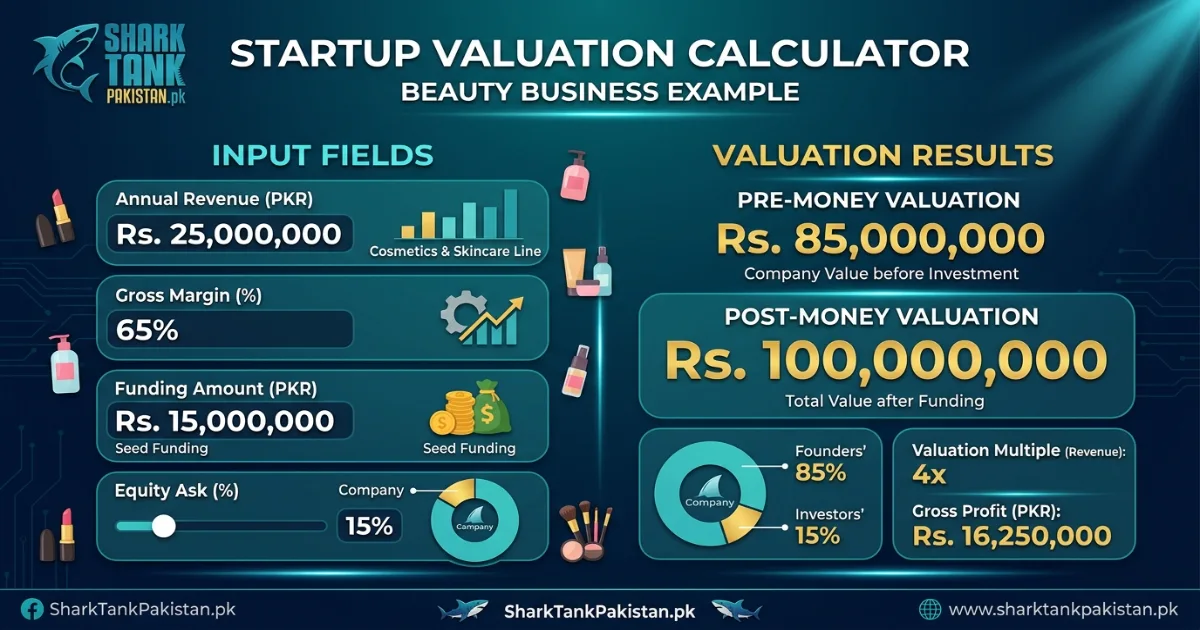
- Startup Valuation Calculator: Plug in your revenue, growth rate, and industry to get a realistic valuation range — so you don’t ask for too little (leaving money on the table) or too much (scaring off investors). Sana’s implied valuation of ~PKR 44M was defensible precisely because her numbers supported it.
- Equity vs. Loan Calculator: Compare the long-term cost of giving up equity against taking a loan — a decision every founder should model before stepping into the tank.
- Pitch Preparation Checklist: A step-by-step guide covering everything from financial documentation to the 60-second opening hook that grabs shark attention.
What Happened After the Episode: Queen Extension’s Post-Deal Trajectory
The weeks following the episode’s broadcast brought a surge of interest — often called the “Shark Tank bump” — and Queen Extension capitalized effectively. Social media followers reportedly grew from roughly 8,000 to over 45,000 within three weeks. Monthly revenue reportedly crossed PKR 1.6 million in the first full month post-airing. More importantly, the promised distributor introductions materialized, placing Queen Extension products in two retail chains in Karachi and one in Lahore.
This post-deal execution is what separates Shark Tank success stories from cautionary tales. The investment capital is catalytic, but the founder’s ability to absorb sudden demand spikes and maintain product quality under scale determines whether the deal creates lasting value or becomes a brief moment of fame.
FAQs: Queen Extension and Shark Tank Pakistan
What is Queen Extension on Shark Tank Pakistan?
Queen Extension is a hair-extensions and beauty brand from Quetta, Balochistan, founded by entrepreneur Sana Baloch. It became the first Balochistan-based startup to secure a deal on Shark Tank Pakistan, receiving PKR 8 million for 22% equity plus strategic distribution support from one of the sharks.
How much did Queen Extension ask for on Shark Tank Pakistan?
Sana initially asked for PKR 8 million in exchange for 18% equity. After negotiation, the final deal closed at PKR 8 million for 22% equity, with the additional 4% compensating for the shark’s retail distribution network access and mentorship commitment.
Who invested in Queen Extension on Shark Tank Pakistan?
The investing shark on the Queen Extension deal was the panelist with deep expertise in retail and beauty brands. The partnership included both financial investment and a commitment to facilitate introductions to major retail distributors within 90 days of the deal closing.
Is Queen Extension a real business in Pakistan?
Yes, Queen Extension is a genuine operating business based in Quetta. Prior to the Shark Tank Pakistan appearance, it had generated over PKR 14 million in lifetime revenue across 22 months, primarily through Instagram, WhatsApp, and direct e-commerce channels.
What made the Queen Extension pitch successful?
The pitch succeeded because of five key factors: strong gross margins (62%), a specific and memorable founder origin story, upfront addressing of logistics concerns about operating from Balochistan, a detailed use-of-funds breakdown, and calm, strategic negotiation that secured both capital and distribution access.
How can I apply to Shark Tank Pakistan from a smaller city?
Applications are open to all Pakistani residents regardless of city. Prepare a clear pitch covering your business model, revenue data, margins, and funding ask. The SharksTankPakistan.pk website offers guides and checklists specifically designed to help founders from underrepresented regions build competitive applications.
Did Queen Extension’s revenue increase after Shark Tank Pakistan?
Yes. In the first full month after the episode aired, Queen Extension’s monthly revenue reportedly grew from approximately PKR 950,000 to over PKR 1.6 million, driven by the national exposure and a significant increase in social media following and direct orders.
⚡ Your Fast-Track Cheat Sheet: Top 3 Takeaways from Queen Extension’s Deal
- Financial fluency is your ultimate equalizer. Sana’s command of her margins, customer data, and use-of-funds plan neutralized any bias related to her geography. If you’re pitching from outside Karachi/Lahore/Islamabad, over-invest in knowing your numbers cold — they are your strongest defense and your most persuasive offense.
- Negotiate for value beyond the cheque. The 4% extra equity Sana gave up bought her distribution access that would have taken years to build independently. Before accepting any deal, identify the non-monetary assets an investor brings — introductions, expertise, operational support — and price them into your dilution decision.
- Your origin story is an asset, not a liability — if you frame it right. Rather than apologizing for being from Quetta, Sana made it central to her brand narrative and then backed it with operational proof that geography hadn’t limited her reach. Turn perceived weaknesses into evidence of resilience, but never let the story substitute for the numbers.