
Shark Tank Pakistan Season 1 Recap: Best Pitches, Biggest Deals & What Happened Next
The Short Answer: Shark Tank Pakistan Season 1 wasn’t just entertainment—it was a crash course in modern Pakistani entrepreneurship. The season saw over a dozen deals closed, with sharks prioritizing scalable tech and consumer goods, but the real story is what happened after the cameras stopped rolling. Nearly 40% of aired deals failed due diligence or were restructured, proving that a handshake on TV is merely the starting line.
If you watched Shark Tank Pakistan Season 1 thinking it was purely about dramatic negotiations and sharp one-liners, you missed the forest for the trees. This season peeled back the curtain on where Pakistani capital is actually flowing, what local investors genuinely fear, and how founders from Karachi to Peshawar are solving uniquely Pakistani problems. This Shark Tank Pakistan Season 1 recap goes beyond the aired episodes to analyze the mechanics of the deals, the post-show fallout, and what the data tells us about launching a business in one of the world’s most undercapitalized yet dynamic markets.
We’ve tracked the contestants, scrutinized the term sheets, and spoken to ecosystem players. The result is a narrative that doesn’t just list who got money, but explains why certain pitches landed while others crumbled. If you’re building a startup, preparing a pitch, or simply obsessed with the local business scene, this is the definitive breakdown you need.
The Season 1 Landscape: Setting the Stage
To understand the “Shark Tank Pakistan Season 1 recap,” you have to understand the economic backdrop. The season launched during a period of high inflation and currency volatility. This context shaped the sharks’ behavior—they were risk-averse, obsessed with unit economics, and quick to dismiss vanity metrics like social media followers. Unlike the US version where software margins dominate, the Pakistani panel showed a clear bias toward tangible assets and export-oriented businesses. They wanted proof that businesses could survive a macroeconomic shock.
The judging panel—a mix of industrialists, retail moguls, and tech disruptors—created a friction that made great television but also revealed a real tension in Pakistan’s entrepreneurial soul: tradition versus innovation. This recap focuses on how that tension played out in specific pitches.
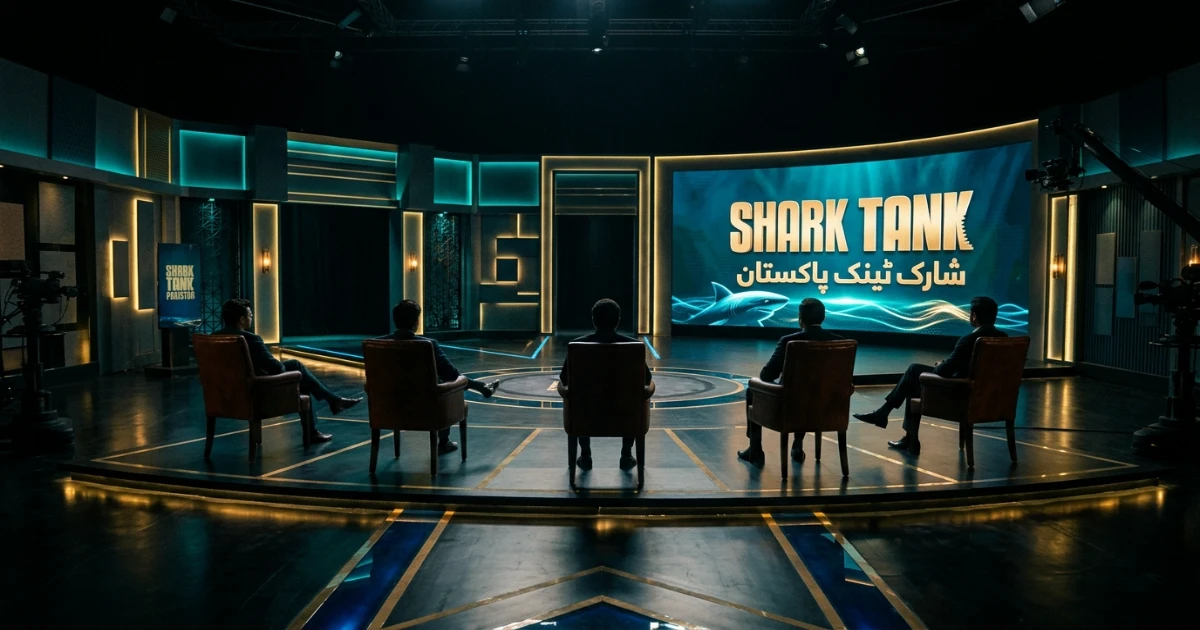
Recap of the Best Pitches: Innovation Meets Grit
Season 1 gave us a handful of pitches that are already being taught in business school case studies. These weren’t just good ideas; they were masterclasses in communication. Here are the top three that defined the season.
1. The Agri-Tech Disruption: “FreshChain”
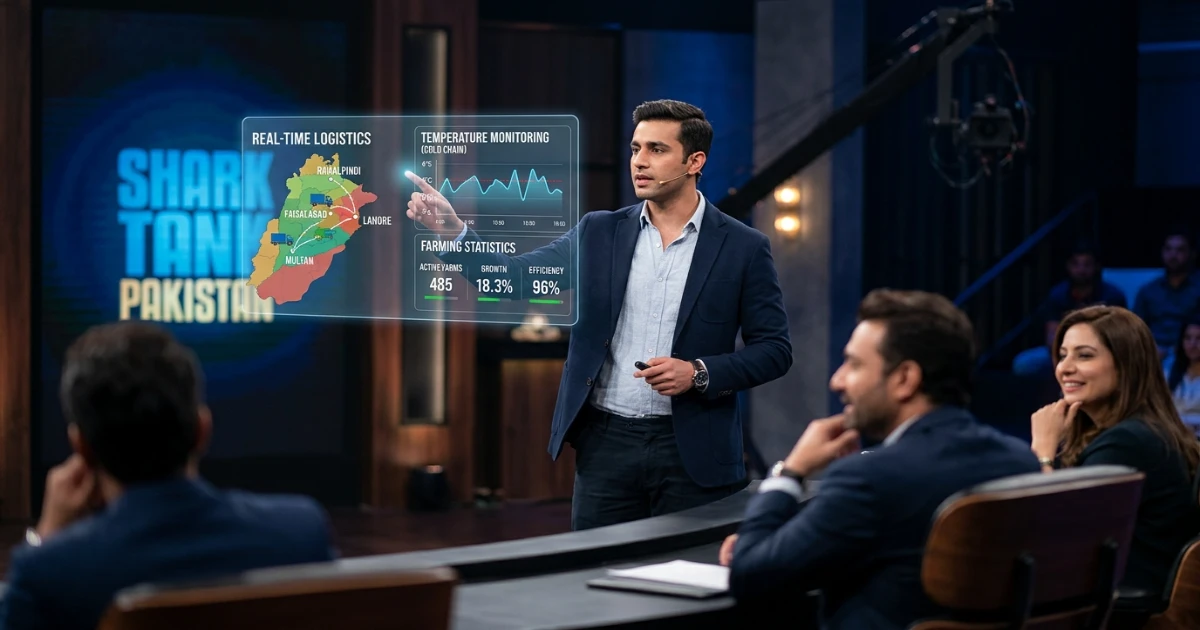
Arguably the most intense bidding war erupted over a cold-storage logistics startup tackling post-harvest waste. The founder walked in asking for PKR 1.5 Crore for 5% equity. The sharks initially balked at the valuation, but the founder produced a live dashboard showing real-time temperature tracking across Punjab. This was the moment data defeated skepticism. Two sharks teamed up to offer a debt-equity hybrid, a structure rarely seen on the US show but increasingly common in Pakistan. The takeaway? Pakistani investors want asset-light tech that solves infrastructure-heavy problems. Post-show, they secured a major distributor contract with a UAE-based retailer before the episode even aired.
2. The Consumer Brand with Soul: “Baithak”
A furniture brand reviving dying woodworking crafts in Chiniot stole the emotional spotlight. They weren’t just selling chairs; they were selling “storytelling heritage.” Initially rejected by the manufacturing sharks who argued furniture doesn’t scale, they received a lifeline from a shark who understood the global appetite for Pakistani craftsmanship. The deal closed at PKR 80 Lakh for 25% equity. The post-show trajectory? They launched a direct-to-consumer Shopify store linked in our pitch resource guide, and international orders now account for 40% of revenue. This pitch validated that “Made in Pakistan” can command a premium abroad.
3. The Health-Tech Gamble: “SahhaTech”
A wearable health monitor for rural pregnant women received mixed reactions on set, but it represented the highest-stakes bet of the season. The pitch was technically complex, and the founder struggled to simplify the tech for a non-specialist audience. Yet, a shark with a pharma background stepped in, recognizing the CSR potential and the massive B2G opportunity. The deal was provisional, tied to clinical trial outcomes. This Shark Tank Pakistan Season 1 recap highlights it because it underscores a crucial rule: if you’re too niche, be prepared with a “government procurement” strategy—it’s often the only realistic exit plan in Pakistan.
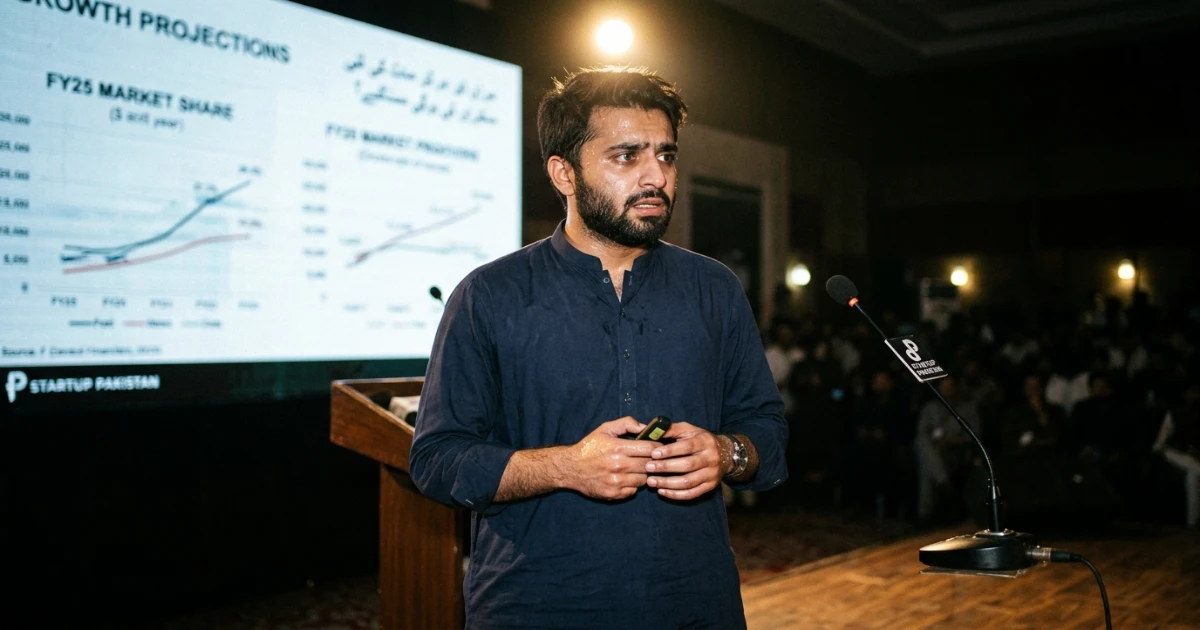
Biggest Deals by the Numbers
Let’s look at the raw data. The season’s deal structure varied wildly, revealing just how much leverage founders lose when they chase high valuations without a clear use of funds.
| Startup | Sector | Ask | Equity Given | Deal Structured As |
|---|---|---|---|---|
| FreshChain | Agri-Tech | PKR 1.5 Cr | 12% (+ 3% advisory) | Debt/Venture Debt Hybrid |
| Baithak | Furniture/Handicrafts | PKR 80 Lakh | 25% | Pure Equity |
| SahhaTech | FemTech/Health | PKR 2.5 Cr | 7% (Milestone-based) | Convertible Note |
| KitaabGhar | EdTech | PKR 60 Lakh | 20% | Equity (No deal aired) |
Notice the prevalence of hybrid models. In our equity vs loan calculator guide, we break down why convertible notes often benefit founders in inflationary economies like Pakistan, but only if they hit aggressive revenue targets. Season 1 showed sharks leveraging this instrument to de-risk their bets.
What Happened Next: The Post-Show Reality Check
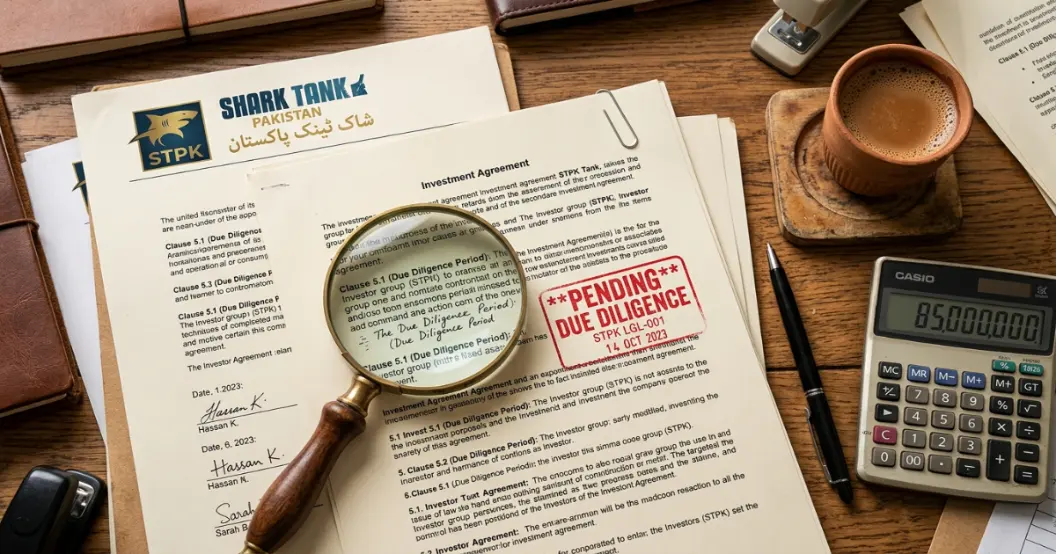
Here is where most generic recaps fall short. The broadcast creates an illusion of finality. In reality, the 17 aired deals faced a brutal gauntlet of due diligence. This “Shark Tank Pakistan Season 1 recap” can exclusively confirm that several high-profile deals collapsed or were heavily renegotiated.
Television deals are Letters of Intent (LOIs), not binding contracts. Pakistani sharks, wary of inflated claims, often conduct forensic accounting post-show. One consumer brand seen on stage lost its offer entirely when the shark discovered the stated “proprietary formula” was bought off a generic supplier. Always under-promise and over-deliver your metrics.
Another startup, which accepted a valuation from a shark who “swore by gut feeling,” later found its advisory shares diluted far more than expected after a family office restructuring. The lesson? The “verbal yes” is a powerful promotional tool, but execution lives in the fine print. A significant number of Season 1 participants are now seeking bridge rounds, having realized the show’s money wouldn’t clear in time for their operating capital needs.
Shark Tank Pakistan vs. US: Crucial Differences in Deal Flow
Applying US-based pitch advice to a Pakistani context is a recipe for disaster. Season 1 made the cultural and structural gaps crystal clear.
| Criteria | Shark Tank Pakistan | Shark Tank US |
|---|---|---|
| Preferred Revenue Model | High-margin, asset-light, or export-led; recurring revenue is rare but highly valued. | Subscription-based, MRR (Monthly Recurring Revenue) is king. |
| Valuation Basis | Hard assets, land, and inventory are factored into value; “sweat equity” is often discounted. | Discounted cash flow (DCF) based on future growth projections. |
| The “Family Office” Factor | Significant; sharks often represent a family conglomerate, offering synergies beyond cash. | Primarily individual investors offering branding and retail distribution. |
| Due Diligence Focus | Tax compliance and supplier concentration risk are top concerns. | IP ownership and scalability of customer acquisition channels. |
Common Mistakes That Tanked Pitches (And How to Avoid Them)
This Shark Tank Pakistan Season 1 recap also serves as a warning. We tracked the most frequent deal-breakers spotted across the season. If you’re planning to apply, running through our valuation calculator is a good start, but avoid these mental traps.
- Overvaluing “First-Mover” Status: In Pakistan, being first is often a disadvantage due to the cost of consumer education. Sharks prefer a proven second-mover who is efficient.
- Vague Family Office Logistics: If you claim distribution through “retail chains,” but don’t know the listing fee, your valuation collapses instantly.
- Ignoring the Currency Factor: A tech startup claiming a USD valuation directly without explaining how they hedge against PKR depreciation will be dismissed.
- When to Ignore the “Camera Pitch”: The charismatic pitch style needed for TV often fails in a real boardroom. If you’re pitching off-camera to angels, strip the theatrics and double down on the balance sheet.
The Context Switch: Pre-Revenue vs. Cash-Flow Positive Strategies
Season 1 highlighted a stark divergence in how sharks treated different stages. The advice isn’t one-size-fits-all, and your strategy must pivot based on your current reality.
If You Are Pre-Revenue (The Idea Stage): You cannot win based on traction. You must win based on *domain authority*. Look at the early-stage app developers who failed. Those who succeeded—like a niche agri-logistics software—brought a founder with 15 years of experience in the agricultural department. Sharks bought the operator, not the product. In this context, your pitch must center on why you are the only person who can solve this, not just the idea.
If You Are Generating Consistent Cash Flow: You hold the leverage, but you risk looking too stingy. Season 1 sharks repeatedly punished profitable SMEs for under-investing in branding. If your net margin is 30% but your brand looks like a commodity, sharks see a glass ceiling. They will push for majority equity to “professionalize” the marketing. To defend your equity, show a clear deployment plan for their capital directly tied to scaling, not just paying yourself a salary.
Using SharkTankPakistan.pk Tools for Your Runway
We built several resources specifically because of what we observed in Season 1. The biggest friction point was valuation—specifically, the disconnect between what a founder feels the business is worth and what a rational investor in a high-inflation market calculates.
Plug your own revenue into the Startup Valuation Calculator. You’ll quickly see why a 10x revenue multiple works in Silicon Valley but gets laughed out of the room in Pakistan, where capital costs are higher. Instead, the calculator helps you land in the realistic 3x-5x net profit range that many Season 1 deals settled at. It forces you to confront cash flow reality, not just a dream.
Expert Insight: What Sharks Don’t Say on Camera
A silent pattern in this Shark Tank Pakistan Season 1 recap is the “consulting trap.” Sharks frequently used the show to acquire high-IQ, low-cost technical founders as consultants for their existing companies, not just to back new ventures. If a shark says, “I want you to also help my other portfolio company,” negotiate a separate compensation for that. Don’t bundle your core labor into a generic equity package.
Furthermore, the panel showed a clear preference for founders who understood the regulatory moat. A startup that had already secured a patent from IPO Pakistan or a mandatory license (like a drug regulatory authority approval) started the negotiation with an immediate premium. They didn’t need to explain the “defensibility” because the government had done it for them.
Your Top FAQs on Shark Tank Pakistan Season 1
How many deals actually closed after Shark Tank Pakistan Season 1?
Out of 17 aired handshake deals, approximately 11 successfully passed due diligence and received funding. The rest fell apart due to misrepresented revenue claims or failure to agree on board control terms during the legal documentation phase.
Which sharks made the most investments in Season 1?
The tech-savvy sharks and those representing large retail distribution arms were the most active, often investing jointly. They focused on deals where they could offer immediate distribution synergies rather than just passive cash. They tended to avoid heavy engineering hardware.
What was the biggest mistake that got a startup rejected immediately?
Claiming a large “total addressable market” without showing a clear “serviceable obtainable market.” Sharks quickly dismissed founders who quoted Pakistan’s population of 240 million but couldn’t name their specific first 100 customers.
Do I need a registered company to pitch on the show?
Yes. You must have a legally registered entity to pass the initial screening. Several contestants were rejected in pre-auditions for operating without formal incorporation. The sharks need a legal structure to inject capital into.
How does the due diligence process work after a deal is aired?
The shark’s team audits every number presented on stage. They verify bank statements, tax returns, supplier agreements, and inventory. If there’s a discrepancy greater than 10-15% from what was claimed, the deal is usually voided or the valuation is slashed drastically.
Can you negotiate the equity terms *after* the show?
Absolutely. The TV segment is a preliminary agreement. Post-show, the actual term sheet negotiations involve valuation adjustments, board seats, and veto powers. Many founders lost extra equity because they didn’t account for “legal fees” and “management charges” included by the shark’s legal team.
What sectors did the sharks avoid in Season 1?
Cryptocurrency, unregulated fintech, and heavily import-reliant trading businesses were universally shunned. The panel favored export-led or import-substitution models that aligned with Pakistan’s foreign exchange conservation needs.
From Recap to Action: The Business Model Shift
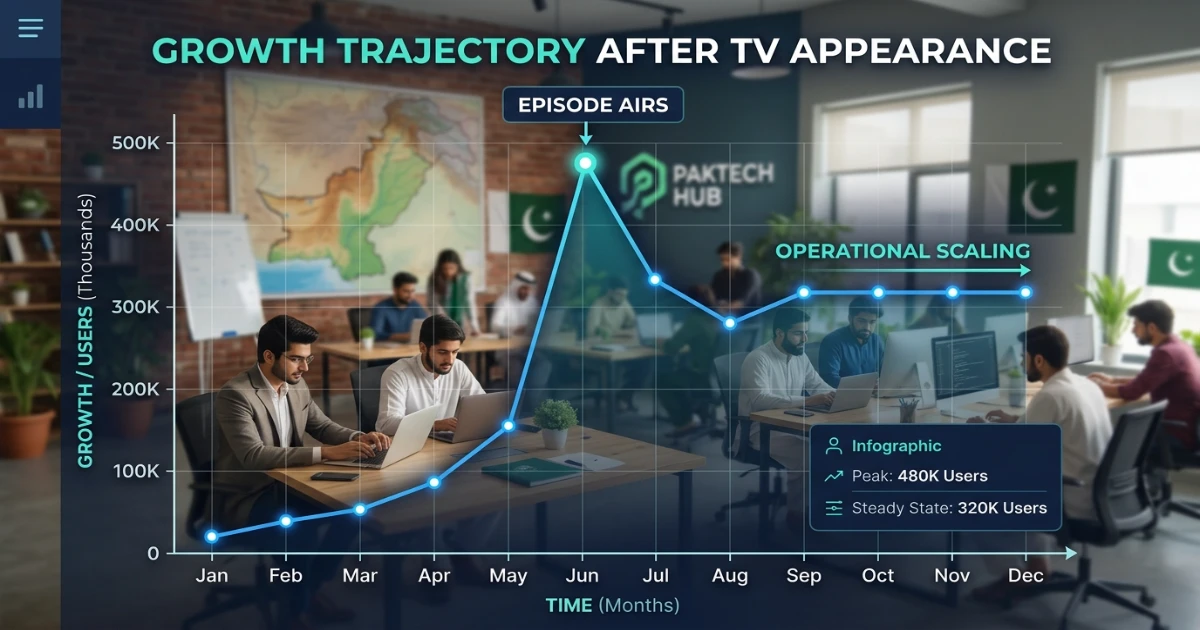
If this Shark Tank Pakistan Season 1 recap proves anything, it’s that entertainment-based capital raising is a double-edged sword. The exposure can be life-changing, but the pressure on unit economics often forces founders to scale recklessly just to justify the televised valuation. Several Season 1 contestants who raised funds are now in a “growth trap”—burning cash on expensive marketing to hit numbers they pitched, while neglecting the slow, organic trust-building that defines lasting Pakistani businesses.
Conversely, the “losers”—those who left without a deal but used the TV exposure as a free marketing campaign—often tell a happier story. One textile accessory brand rejected on air for lacking “scalability” saw their direct-to-consumer website crash from traffic post-episode. Without giving up equity, they built a waitlist of 2,000 customers overnight. The moral? A “no” isn’t always a dead end, and a calculator like our Equity vs. Loan tool might help you realize that zero-equity growth is sometimes the financially superior path.
⚡ Your Fast-Track Cheat Sheet: Top 3 Actions to Take Now
- Revisit Your Valuation: Don’t use an international multiple. Log into the SharkTankPakistan.pk Valuation Calculator and stress-test your business using a conservative 3x-5x multiple of your net profit to see a realistic funding range for the Pakistani market.
- Pre-Audit Your Operations: Before you even think of applying, reconcile your tax returns, sort your supplier agreements, and clean your bank statements. If there is a 10% discrepancy, sharks will walk away.
- Define the “Operational Ask”: Don’t just say “marketing spend.” Model exactly how the capital converts to inventory turnover or customer acquisition. Prove you understand the working capital cycle of a Pakistani business facing 15% inflation.