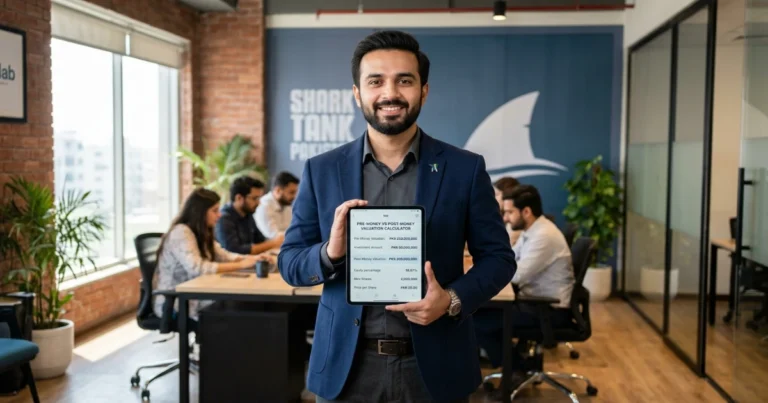
Agriculture Startups in Pakistan: The Next Big Wave for Investors
⚡ The Short Answer: Agriculture startups in Pakistan are moving from niche to mainstream as investors wake up to a $50+ billion sector ripe for disruption through agri-fintech, precision farming, and supply chain innovation — and the next Shark Tank Pakistan deal could easily be an agri-venture.
If you still think Pakistani agriculture is just about tractors and fertilizer subsidies, you’re missing the quiet revolution already reshaping the country’s largest employer. A new crop of agriculture startups Pakistan founders is doing what tech entrepreneurs did to retail and finance a decade ago — injecting data, transparency, and scalable distribution into a sector that feeds 240 million people but operates on paper records and verbal trust.
I’ve watched pure tech startups struggle to show unit economics while an agri-startup in Faisalabad quietly clocked 40% gross margins connecting dairy farmers to urban processors. Sharks on Shark Tank Pakistan have started leaning forward when an agri-founder mentions post-harvest loss reduction or cold chain logistics — not because it’s trendy, but because the numbers actually work.
This guide unpacks where the money is flowing, which sub-sectors are investable right now, and how you can build (or spot) an agriculture startup that answers the only question that ultimately matters: “Does your business make the chain more efficient at a price someone will pay?”
📈 Market Size
Agriculture contributes ~22% to Pakistan’s GDP
💰 Typical Seed Round
PKR 20M – 80M
👥 For Whom
Agri-founders, impact investors, tech operators
⚙️ Complexity
High (seasonal, logistics-heavy)
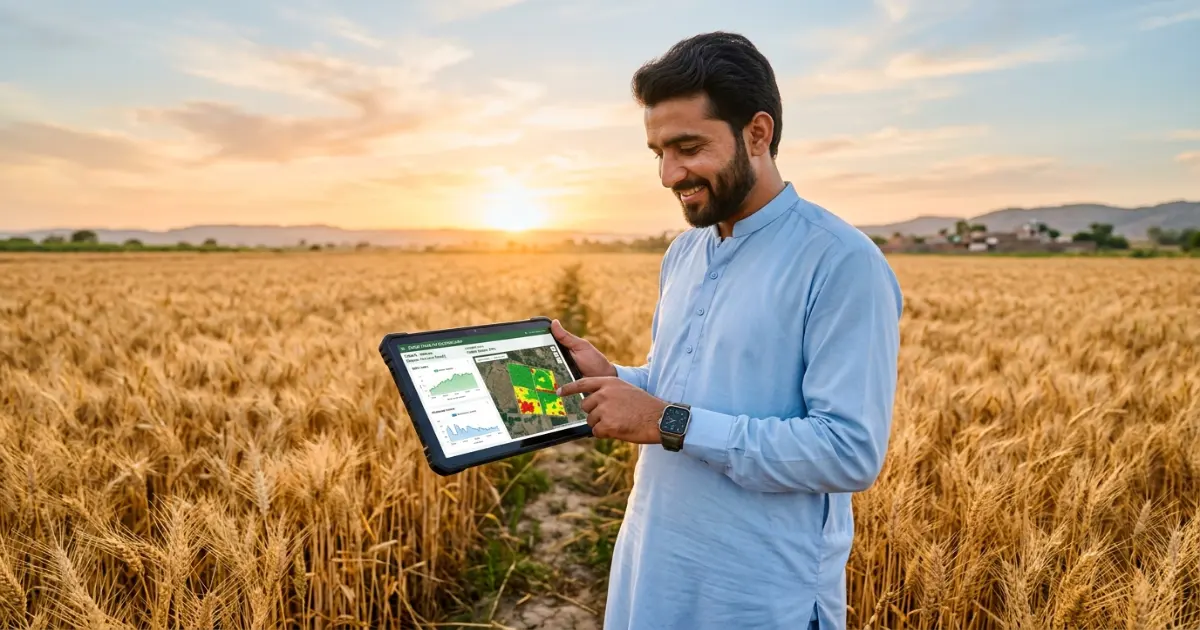
Why Investors Are Suddenly Paying Attention to Agri-Startups
Three shifts are converging. First, food inflation has made supply chain efficiency a national priority, not just a business opportunity. Second, smartphone penetration among rural mid-level farmers has crossed a threshold where digital tools can actually reach users. Third, climate volatility is forcing everyone from insurers to exporters to demand precision data — and that data layer requires startups to build it.
Unlike a typical B2C app, agriculture startups Pakistan tap into recurring, high-volume value chains. A wheat flour brand’s supply chain contract isn’t a monthly subscription — it’s a multi-year procurement relationship worth crores. That stickiness gets investor attention fast.
Where the Real Opportunity Lives: Sub-Sectors That Actually Scale
Not every agriculture idea is investable. A single farm is a small business. A startup that aggregates 500 farms and standardizes output is an asset class. Here’s where smart money is moving in Pakistan right now.
1. Agri-Fintech and Input Financing
Smallholder farmers still rely on informal credit at exploitative rates. Startups that use satellite data or crop-cycle algorithms to underwrite loans are solving a genuine pricing inefficiency. The key is bundling financing with guaranteed input supply — creating a closed loop that reduces default risk.
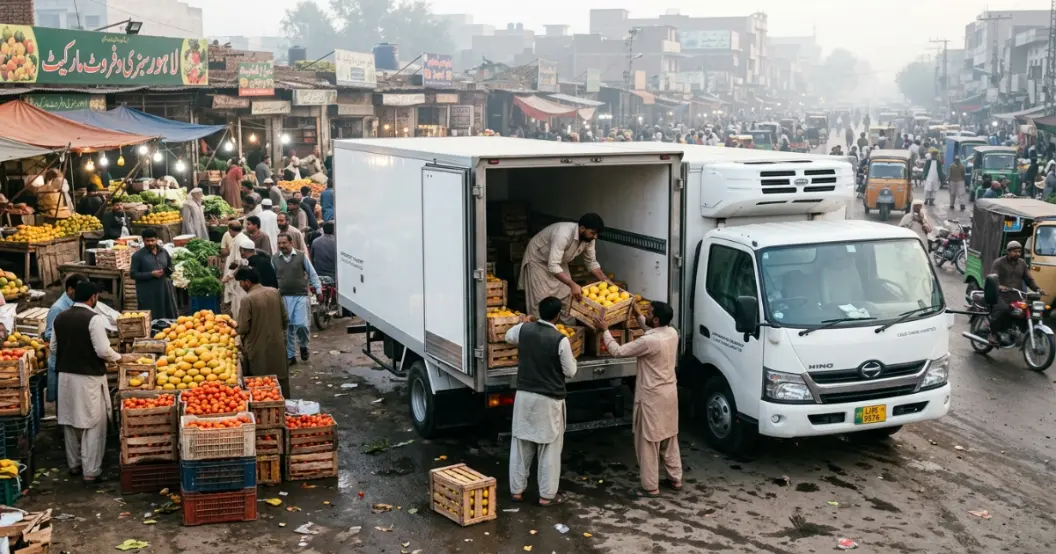
2. Post-Harvest Loss Reduction and Cold Chain
Pakistan loses 30–40% of fruits and vegetables before they reach consumers. Mobile cold storage units, ripening chambers, and solar-powered refrigeration hubs aren’t just “green” ideas — they generate revenue from day one by charging fees per crate stored.
3. B2B Marketplaces for Produce and Dairy
Connecting farmers directly to hotels, processors, and exporters eliminates 3–4 middlemen. The startup captures a margin that previously vanished into inefficiency, while farmers get better pricing — a rare win-win that investors love to hear in a pitch.
| Sub-Sector | Typical Gross Margin | Scalability Potential | Tech Intensity |
|---|---|---|---|
| Agri-Fintech / Input Lending | 15–25% net spread | High (software-driven) | High |
| Cold Chain & Storage | 30–50% per service | Medium (asset-heavy) | Medium |
| B2B Produce Marketplace | 8–18% take rate | Very High | Medium |
| Precision Farming / IoT | 20–35% (SaaS) | High (subscription) | Very High |
| Value-Added Processing | 25–45% | Medium | Low–Medium |
📊 Data Point: The Yield Gap Argument
Pakistan’s average wheat yield is roughly 3 tonnes per hectare, while comparable regions achieve 4.5+. Every 1% reduction in post-harvest loss unlocks tens of billions of rupees in value. Investors backing agriculture startups Pakistan are essentially betting on closing this yield gap through better logistics and decision support — and the early data shows those bets paying off at the unit level.
Building an Investable Agriculture Startup: A 5-Step Framework
This isn’t a generic checklist. It’s the framework that separates agri-startups that get meetings from those that get term sheets.
Step 1: Pick One Crop or One District. Generalist “we help farmers” pitches fail. Start with potatoes in Okara or mangoes in Multan. Dominate a micro-supply chain before expanding.
Step 2: Anchor with an Offtake Partner. Secure a letter of intent from a processor, exporter, or retailer before you raise capital. It transforms your pitch from hopeful to contractual.
Step 3: Build a Tech Layer That Captures Data. Even a simple app that tracks crop quality at farm-gate creates an asset: verified supply data that processors and lenders will eventually pay for.
Step 4: Structure for Seasonal Cash Flows. Design your revenue model to handle 6-month gaps. Subscription retainers or warehousing receipts work better than per-transaction fees alone.
Step 5: Get Your Legal House in Order. Company registration, provincial agriculture department approvals if you handle seed or pesticide, and trademark protection for any branded produce.
Situation-Based Advice: Are You a Tech Founder or a Farming Operator?
The playbook changes completely depending on who you are.
If You’re a Tech Founder Entering Agriculture
Your biggest risk is romanticising the problem and underestimating the ground-level friction. Spend eight weeks in the field before writing a single line of code. Partner with an experienced agronomist or a farmer cooperative leader as a co-founder. Shark Tank Pakistan judges have a sharp nose for urban founders who have never stood in a grain market — the questions will be brutal and specific.
If You’re a Farmer or Processor Building a Startup
Your deep operational knowledge is your moat. The gap is usually in financial modeling and technology architecture. Bring on a technical co-founder and learn to speak the language of unit economics. Don’t undersell your domain expertise: a third-generation mango grower who can explain export rejection rates has more credibility than any MBA.
If You’re an Investor Evaluating Agri-Deals
Look beyond the pitch deck at the actual offtake contracts. Ask for warehouse receipts, farmer payment records, and third-party quality inspection data. An agriculture startup that can show consistent grade-A output across seasons is significantly more valuable than one with a beautiful dashboard but empty cold storage.

Common Pitfalls & When to Ignore Standard Advice
⚠️ Pitfall 1: Over-investing in tech before validating operations. An inventory management app won’t save potatoes rotting in a non-refrigerated truck. Fix the physical chain first, digitize later.
⚠️ Pitfall 2: Ignoring provincial regulations. Seed distribution, pesticide storage, and livestock movement all have provincial-level rules that differ between Punjab and Sindh. Hire a local compliance advisor.
⚠️ Pitfall 3: Building for farmers who can’t pay. Successful agri-startups in Pakistan almost always target mid-sized commercial farmers or processors first, not the most marginal smallholders. The economics require a customer who can pay for efficiency.
🤔 When to Ignore “Stay Asset-Light” Advice: In cold chain and processing, owning the asset gives you pricing power that a pure marketplace can’t match. If you’re raising grant or concessional capital, a hybrid model often outperforms.
What a Shark Tank Pakistan Agri-Pitch Actually Requires
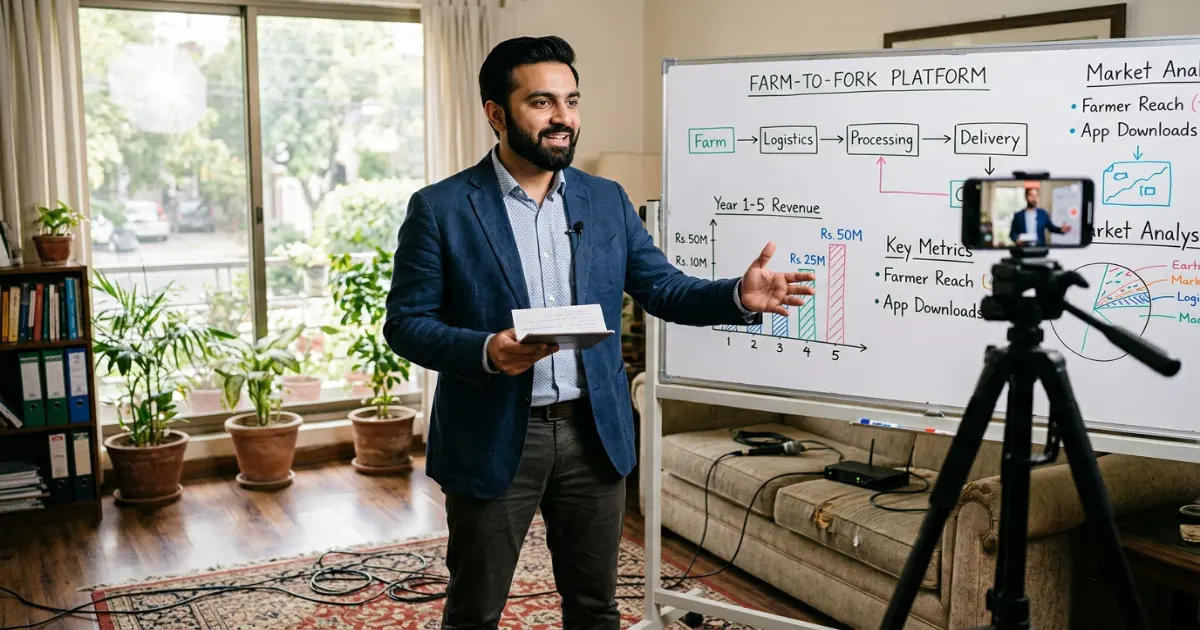
Having watched food and agriculture pitches across the Shark Tank franchise, here’s what the Pakistan edition judges respond to differently. They care less about a clever algorithm and more about whether you can actually secure supply from 500 farmers during harvest season when a competitor offers Rs. 5 more per kilo. Your pitch must answer three silent questions:
- “How do you ensure farmer loyalty beyond price?”
- “What happens when a drought hits your supply zone?”
- “Why hasn’t a big corporate already done this?”
If you can answer these with data — not optimism — you’ll stand out in any funding conversation, not just on television.
FAQs: Agriculture Startups Pakistan
Are agriculture startups in Pakistan actually getting funded?
Yes. Several have closed seed rounds in the PKR 30–100M range, and international impact funds are actively scouting Pakistan’s agri space.
What’s the biggest challenge for agriculture startups in Pakistan?
Fragmented landholdings and a multi-layered middleman system make supply aggregation difficult. The startups that solve trust and logistics win.
Do I need farming experience to start an agriculture venture?
No, but you need a co-founder or key team member who understands crop cycles, soil conditions, and farmer psychology deeply.
Can a home-based food business transition into an agriculture startup?
Absolutely. A home food brand that starts sourcing directly from farmers often evolves into a B2B supply platform — that’s a natural pivot.
What government support exists for agri-startups?
Provincial agriculture departments offer extension services, and several banks have subsidized loan schemes; however, private equity and VC currently drive innovation funding.
🌾 Your Fast-Track Cheat Sheet: Top 3 Actions
1. Anchor Before You Build: Secure an offtake agreement with a processor or retailer. An agriculture startup with a confirmed buyer is worth 3x one without.
2. Digitize One Workflow Deeply: Don’t build a super-app for farmers. Build the best crop-quality recording tool or the simplest input-ordering platform for one district, and expand from there.
3. Prepare for Seasonality Like a CFO: Structure your funding and revenue model to survive the gap between harvests. Your valuation calc on SharksTankPakistan.pk should reflect annualized cash flow, not just a good quarter.