How to Start a Home-Based Food Business in Pakistan: Legal Steps, Real Costs & Smart Scaling
⚡ The Short Answer: You can launch a home-based food business in Pakistan legally with as little as PKR 30,000 by registering as a sole proprietor, securing provincial food authority clearance, and starting sales through Instagram and WhatsApp before scaling to formal aggregators or retail.
Walk through any bustling Karachi neighborhood or a Lahore DHA WhatsApp group, and you’ll spot it instantly — someone selling frozen samosas, weekly meal preps, or gourmet brownies from their home kitchen. The home based food business Pakistan wave isn’t a side hustle fad anymore. It’s a legitimate launchpad that has produced brands now valued in crores, some of which would look perfectly at home pitching on Shark Tank Pakistan.
But here’s what most people miss: ditching the legal part until you get “big enough” can cost you your entire business. I’ve talked to founders who had to rebrand overnight because they ignored food authority registration, and others who couldn’t open a proper bank account because everything was mixed in personal cash.
This guide gives you the real path — legal costs, hidden regulations, week-by-week setup steps, and how to position yourself if a Shark Tank Pakistan judge ever asks, “Is this a scalable business or just a hobby?”
⏱️ Typical Setup Time
2–5 weeks (including registrations)
💰 Starting Budget
PKR 30,000–150,000
👥 Best For
Home cooks, bakers, meal-prep enthusiasts
📋 Complexity
Moderate (paperwork moderate, cooking easy)
Why the Home Food Business Model Is Exploding in Pakistan Right Now
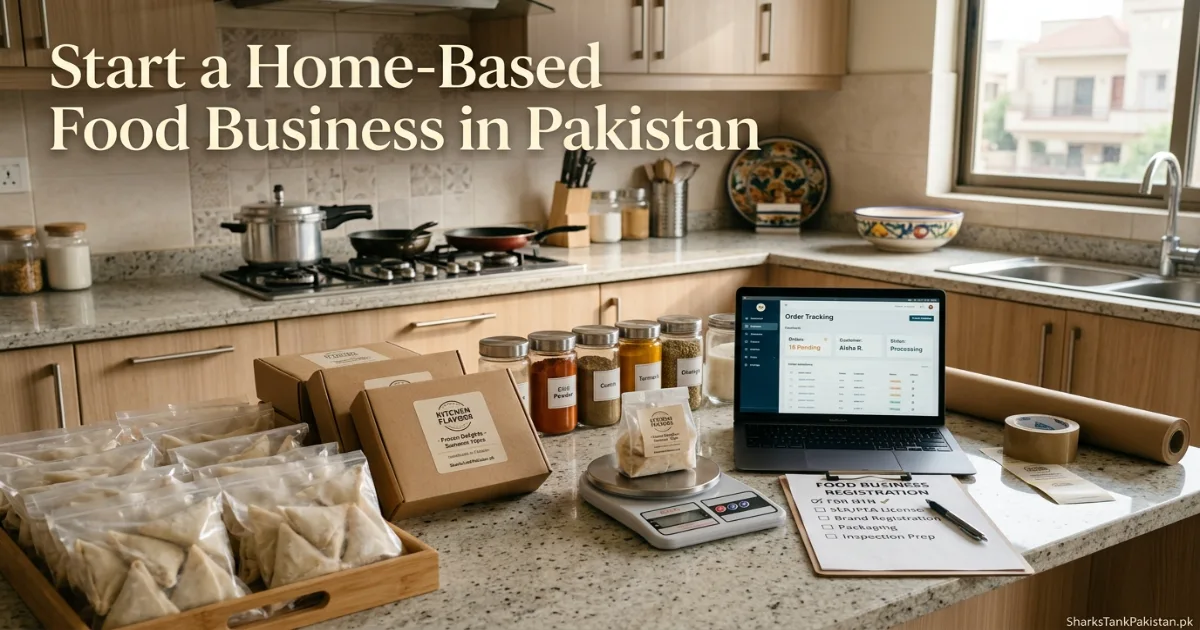
The Pakistani food entrepreneur today isn’t waiting for restaurant funding. They’re using their home kitchen as an MVP. Three forces are colliding: massive smartphone penetration, cravings for healthier or artisanal alternatives, and rising female workforce participation that values flexible income. A home based food business Pakistan startup can test 10 recipes in a month, fail cheaply, and find a winning product without a single rupee in rent.
Even Shark Tank Pakistan judges have noted this shift — food businesses that start lean and show real unit economics often outperform tech startups in early cash flow. The key is treating your kitchen like a micro-factory from day one, not a casual dabba service.
Legal Registration: What You Actually Need (and What You Can Skip Early)
Let’s cut through the noise. You don’t need SECP private limited registration on day one. Most successful home food brands in Pakistan begin as a sole proprietorship. Here’s your legal checklist, prioritized:
1. FBR Registration and NTN
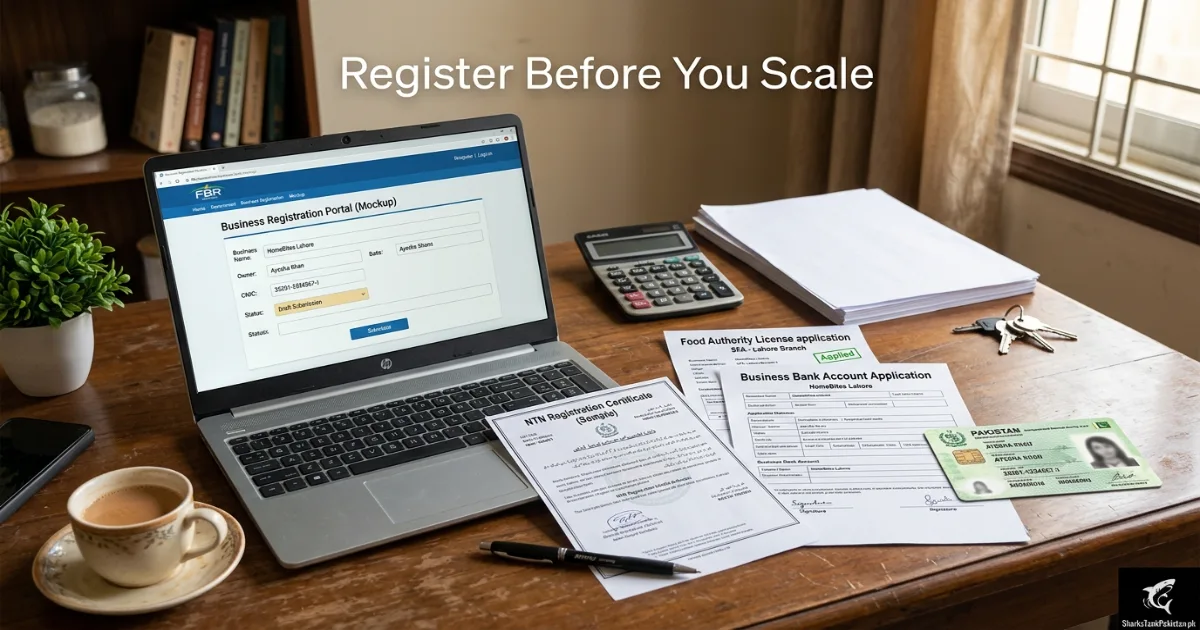
If you plan to accept bank transfers under a business name or work with any corporate client, get a National Tax Number. For a sole proprietor, it’s straightforward through the IRIS portal. You’ll need your CNIC, mobile number, and residential address. Cost: free. Time: 2–5 days.
2. Provincial Food Authority Clearance
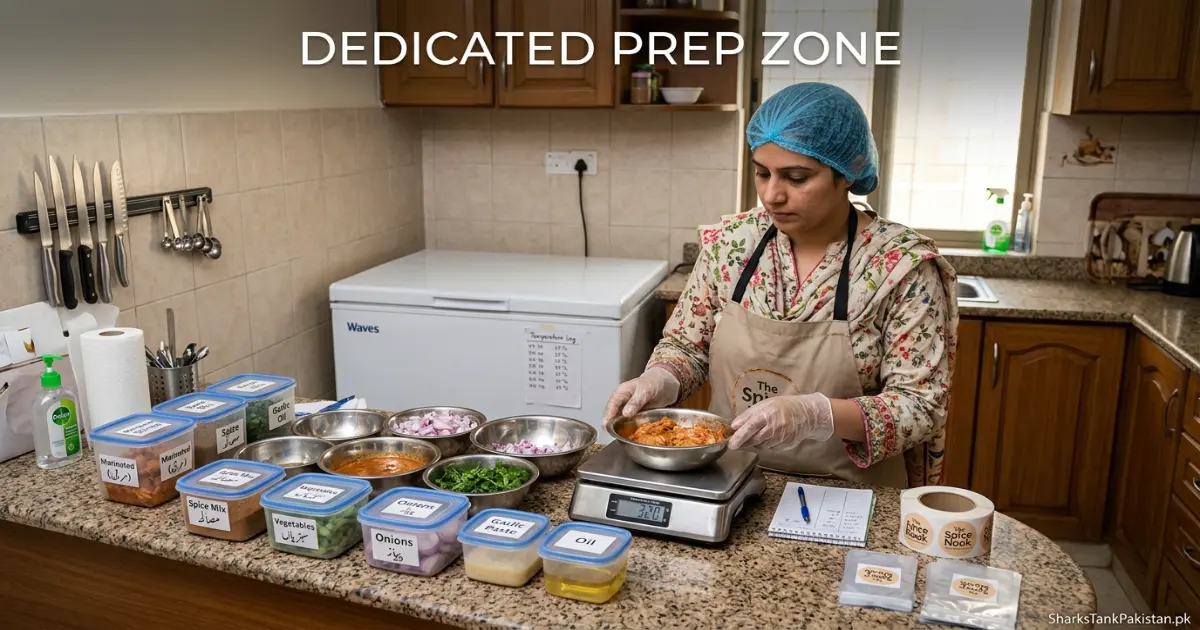
This is the step 80% of home-based startups neglect. The Punjab Food Authority (PFA) and Sindh Food Authority both have provisions for small-scale and home-based food operators. You’ll typically register as a Home-Based Food Business (often under a cottage industry category). Expect a basic inspection of your kitchen hygiene, water source, and ingredient storage. Fee ranges from PKR 2,000 to 8,000 depending on province. Without this, a single complaint can get your operation shut down.
3. Business Bank Account
You can open a sole proprietor account with any major bank or a fintech player. Separating food costs from household expenses lets you track actual profitability — and it’s the first thing a Shark Tank Pakistan judge would ask to see. “Show me your books” requires clean numbers.
The Real Costs of Starting Your Home Food Venture
Forget generic numbers. Let’s break down three budget tiers based on interviews with Pakistani home food founders:
| Cost Category | Lean Starter (PKR) | Standard Build (PKR) | Premium Brand (PKR) |
|---|---|---|---|
| Initial raw ingredients | 15,000 – 25,000 | 30,000 – 45,000 | 60,000+ |
| Packaging & labeling | 5,000 – 10,000 | 15,000 – 25,000 | 35,000 – 55,000 |
| Separate freezer/equipment | 0 (use existing) | 25,000 – 40,000 | 80,000 – 120,000 |
| Legal registration fees | 2,000 – 6,000 | 6,000 – 12,000 | 15,000 – 25,000 |
| Marketing (logo, social content) | 3,000 – 8,000 | 12,000 – 20,000 | 30,000 – 50,000 |
| Total Estimated Range | 25,000 – 49,000 | 88,000 – 142,000 | 220,000 – 370,000 |
Notice the jump from lean to standard mostly comes from a dedicated freezer and better packaging. My advice: stay in the lean tier until you have 40+ repeat weekly orders. Cash flow validates upgrades, not ambition.
💡 Insider Insight from Shark Tank Pakistan
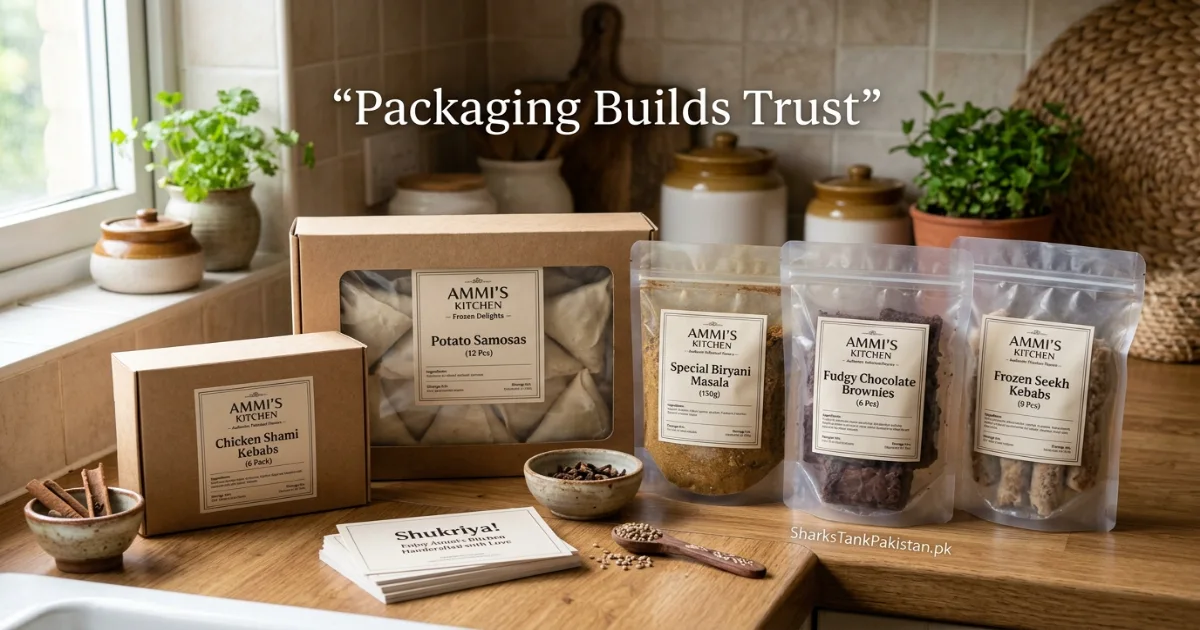
During multiple pitch rehearsals we’ve observed, food founders consistently underestimate packaging costs. When you sell from home, the package IS your shelf presence. Sharks notice when a food product arrives looking generic versus when it feels like a brand from the first unboxing. Spend a little extra on custom stickers, not fancy boxes — and always taste-test your packaging’s ability to prevent oil leaks. That detail alone has swayed investor decisions.
Choosing Your Product: What Sells vs What Scales
Many first-timers choose their favorite dish to cook. That’s a mistake. Choose a product where your gross margin stays above 50% after ingredient cost and delivery packaging. Here’s a quick decision matrix for home based food business Pakistan categories:
High Margin, Easy Logistics
- Frozen samosas, chapli kebabs, shami kebabs
- Granola, protein bars, healthy laddoos
- Custom cakes (pre-order only)
- Dry spice mixes and chutneys
Lower Margin, Operations Heavy
- Daily fresh meal delivery (tiffin service)
- Biryani for lunch orders (tight window, rice cost volatile)
- Fresh juices without preservatives
If you’re building toward a Shark Tank Pakistan pitch, start with frozen or shelf-stable items that demonstrate repeat purchase behavior and geographic scalability. A Karachi kitchen shipping frozen kebabs to Islamabad via cold chain is a much more investable story than “I deliver hot lunch in Gulshan.”
Situation-Based Advice: Which Stage Are You At?
Your immediate priorities shift dramatically depending on whether you’re still experimenting or already fulfilling 15+ orders a day.
If You’re Pre-Revenue (Testing Phase)
Do not register anything yet. Make 20 sample batches. Gift them to neighbors and colleagues in exchange for brutally honest feedback. Track your ingredient cost per unit. Once you sell 15 paid orders through Instagram DMs, move to the next stage. Too many founders waste PKR 15,000 on registration for a product nobody wants.
If You’re Generating Consistent Cash Flow (20+ Orders/Week)
Immediately separate your finances. Open that sole proprietor bank account, get your NTN, and file for food authority registration. At this volume, word-of-mouth makes you visible enough that a competitor or disgruntled customer could report you. Get legal before you need to defend yourself.
If You’re Approaching a Shark Tank Pakistan Pitch or Investor Meeting
You now need a trademark application, formal costing sheets, and ideally a small commercial kitchen lease or co-packing arrangement. Investors funding a home kitchen brand will ask about the path to a central kitchen — show them you already have a hygiene audit and a scalable recipe card system.
Common Pitfalls & When to Ignore This Advice
Even sharp founders stumble into avoidable traps. Here’s where the standard advice breaks down and what to do instead:
⚠️ Pitfall 1: Registering a Pvt Ltd company too early. It costs PKR 25,000+ in professional fees and adds annual filing obligations. If you’re under PKR 2M annual revenue, stay sole proprietor. The exception: you have a co-founder and need an equity split structure from day one.
⚠️ Pitfall 2: Copying restaurant pricing. Home businesses have lower overhead. Price 15-20% below restaurant equivalents but don’t go too low — premium homemade products can command higher prices if branding is sharp.
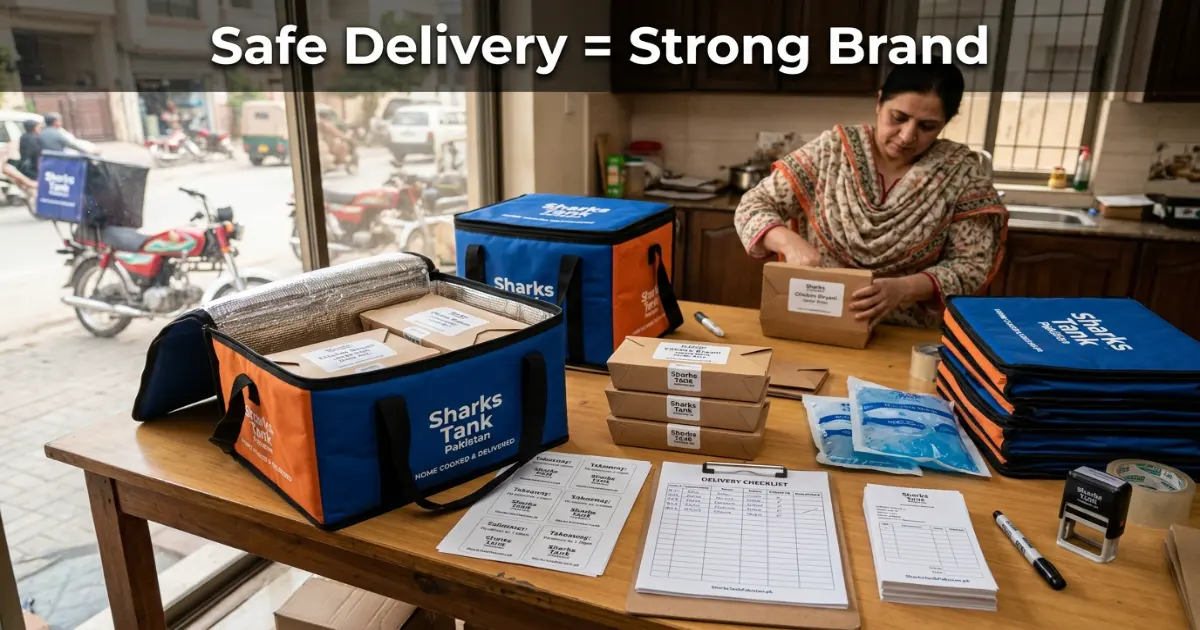
⚠️ Pitfall 3: Ignoring delivery temperature control. Even one incident of spoiled food can destroy your WhatsApp group reputation. Invest in insulated bags before you invest in ads.
🤔 When to Ignore “Start Lean” Advice: If you’re entering a high-trust premium segment like keto meal plans or baby food, spend more on certifications and packaging upfront. Your customer won’t buy “lean-looking” health products.
How Shark Tank Pakistan Thinking Sharpens Your Home Food Strategy
Even if you never apply, framing your food business the way a Shark Tank Pakistan judge would evaluate it forces clarity. Ask yourself these questions now:
- What’s your per-unit cost and selling price? (If you can’t answer in 3 seconds, fix that.)
- Can this business run without you cooking every batch? (Standardized recipes are your IP.)
- What stops a competitor from selling the exact same item tomorrow? (Is it your spice blend? Your delivery speed? Your brand story?)
We’ve watched food pitches on Shark Tank Pakistan where the difference between a deal and a “I’m out” was simply whether the founder knew their numbers cold. Start tracking every gram of ingredient and every rupee of packaging now.
Put This into Practice: Your First 7-Day Launch Sprint
Forget waiting for perfection. Here’s a 7-day action plan:
Day 1–2: Finalize one product. Calculate its exact cost. Set a selling price that gives 55%+ margin.
Day 3: Create an Instagram page with 9 clean photos. Write a simple bio with WhatsApp link.
Day 4: Order basic packaging and stickers. Set up a separate money tracker (even Google Sheets works).
Day 5: Send free samples to 5 trusted contacts and ask for public feedback.
Day 6: Post your first order-taking story. Offer a launch discount for the first 10 orders.
Day 7: Deliver. Ask for photos. Repost. Begin the flywheel.
Then, while cash comes in, start the legal registration steps covered above.
FAQs: Home Based Food Business Pakistan Queries, Answered
Do I need a food license to sell homemade food in Pakistan?
Yes — provincial food authorities require registration once you sell publicly. It validates hygiene standards and prevents immediate legal risk.
Can I use my home address for business registration?
For sole proprietorship and food authority registration, yes — your residential address is acceptable for home-based operations.
What’s the best city to start a home food business in Pakistan?
Karachi, Lahore, and Islamabad lead due to high smartphone use and demand for artisanal food, but smaller cities are catching up fast.
How do I price my home-cooked food properly?
Calculate ingredient cost × 3 (to cover overhead, packaging, and margin). Then check competitor pricing and adjust slightly.
Can I list my home food products on Daraz or Foodpanda?
Foodpanda requires a commercial kitchen. Daraz allows packaged shelf-stable items with proper labeling and sometimes PSQCA certification.
🚀 Your Fast-Track Cheat Sheet: Top 3 Actions
1. Legal Foundation First: Secure your provincial food authority registration and NTN before scaling past friends-and-family orders — it protects your brand and unlocks serious customers.
2. Pick One Margin-Rich Product: Frozen snacks, artisanal baked goods, or dry mixes with >50% margin. Master logistics for that single item before expanding your menu.
3. Run Your Kitchen Like a Shark Tank Business: Separate bank account, real-time per-unit cost tracking, and a scalable recipe sheet from week one. You’ll be pitch-ready long before you ever step onto the carpet.