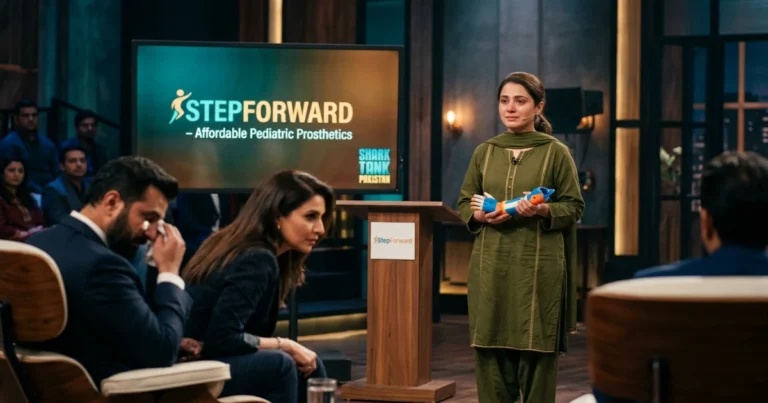
Shark Tank Pakistan Episode Guide: 13 Season 1 Episodes, Recaps & Founder Lessons
This corrected shark tank pakistan episode guide gives founders, viewers, and investors a safer Season 1 breakdown without unsupported deal claims, fake episode counts, or unverified post-show funding statements.
Quick Answer: Shark Tank Pakistan Season 1 is safest to cover as a 13-episode season, with Episode 13 listed publicly as the final episode. This guide summarizes the season episode by episode, highlights public pitch examples, explains what founders should learn, and avoids claiming that every on-air offer became a completed investment.
Most recaps focus only on the drama. This shark tank pakistan episode guide focuses on what founders can actually use: how pitches were framed, what types of businesses appeared, where the sharks pushed for clarity, and what a Pakistani founder should prepare before stepping into a high-pressure investor room.
The earlier draft had several risky claims, including 14 episodes, exact closed-deal counts, post-show due-diligence failures, and shark names that do not match the widely reported Season 1 panel. This corrected version is built for final publication with a safer editorial standard: use official episode listings where available, describe public pitch examples carefully, and label investment outcomes as on-air offers unless final funding is independently verified.
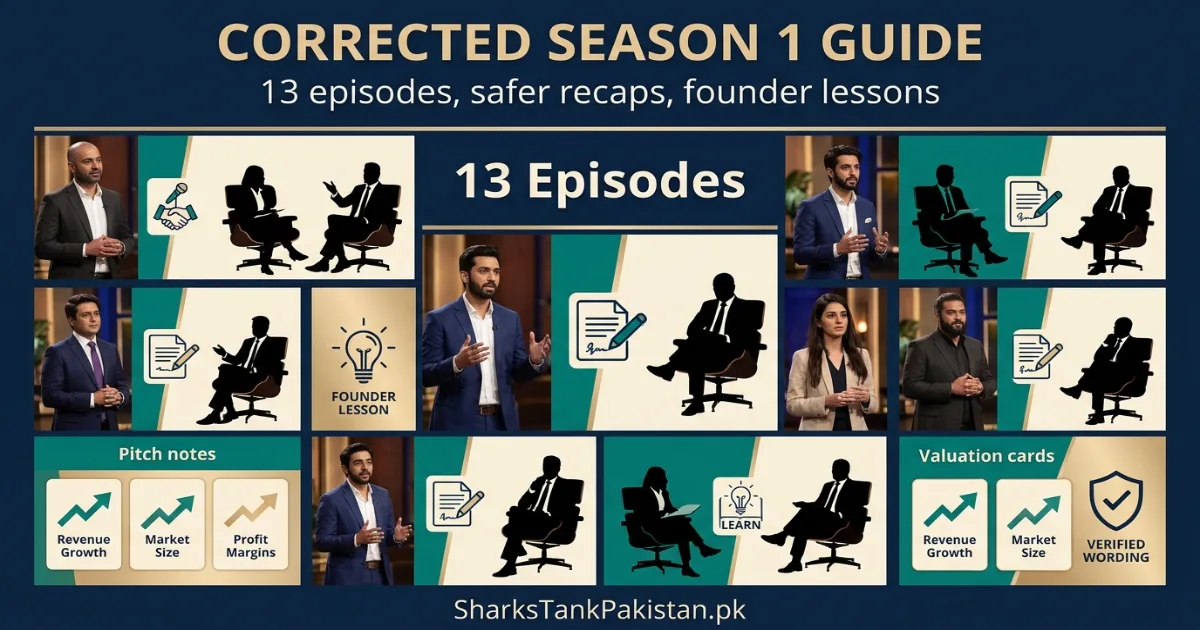
What Was Corrected in This Shark Tank Pakistan Episode Guide
The most important correction is the episode count. Season 1 should not be described as a 14-episode season when the public Myco listing identifies Episode 13 as the final episode. The old Episode 14 section has therefore been removed completely.
Publication safety note: Do not publish invented deal amounts, final equity percentages, “deals closed” totals, or post-show collapse claims unless you have a reliable source. Shark Tank-style shows often show on-air offers, but the real legal close can happen later after due diligence.
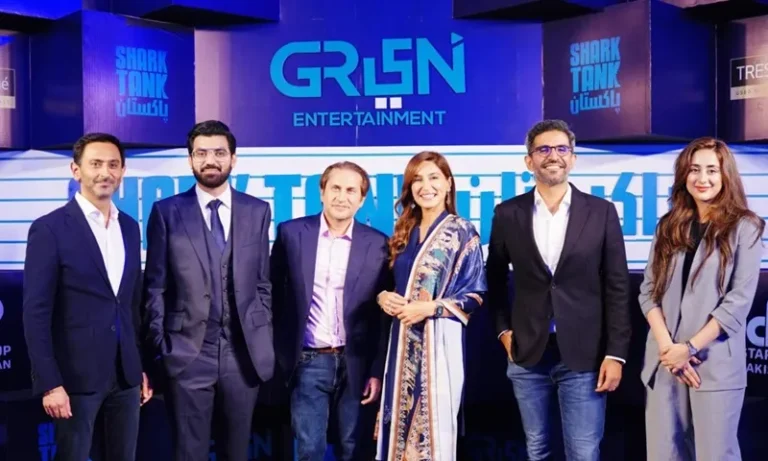
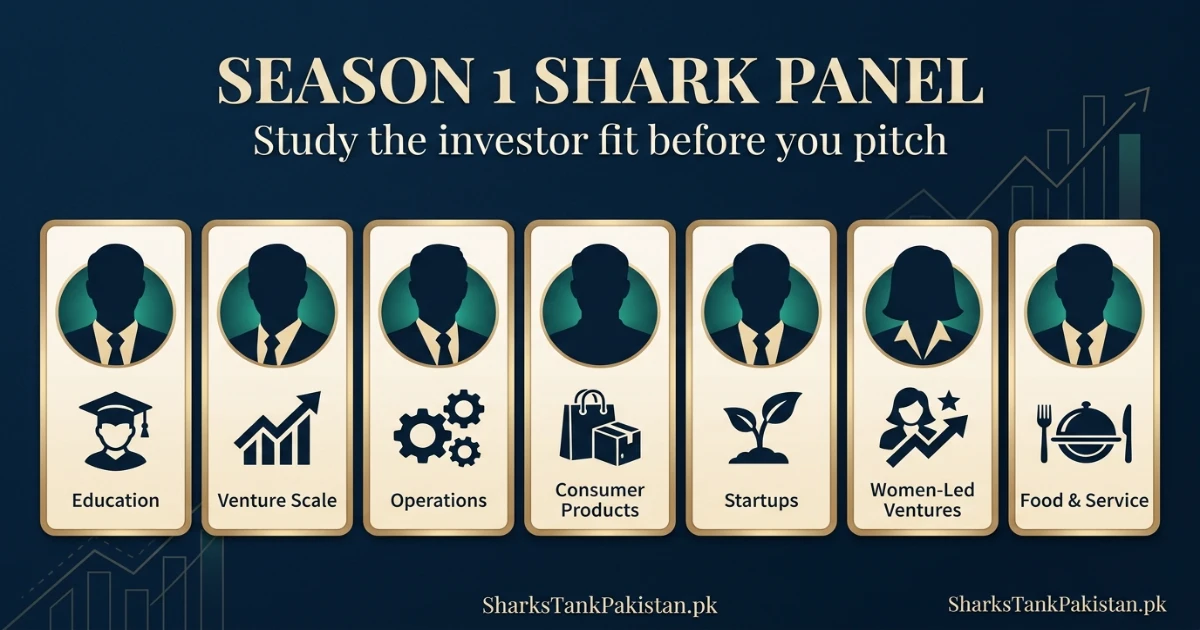
The second correction is the shark panel. Instead of naming unverified or incorrect investors, this version uses the widely reported Season 1 panel: Aleena Nadeem, Faisal Aftab, Junaid Iqbal, Karim Teli, Rabeel Warraich, Romanna Dada, and Usman Bashir.
How to Use This Shark Tank Pakistan Episode Guide
You can read the full guide from Episode 1 to Episode 13, but founders should use it like a pitch-preparation notebook. For each episode, ask three questions: what problem did the founder explain, what proof did they bring, and what weakness would an investor notice within the first two minutes?
If you are preparing for a pitch, focus less on copying someone’s valuation and more on building your own evidence. A strong founder should know revenue, margins, customer acquisition cost, supply chain risk, regulatory issues, and why the business can grow beyond friends, family, or social media hype.
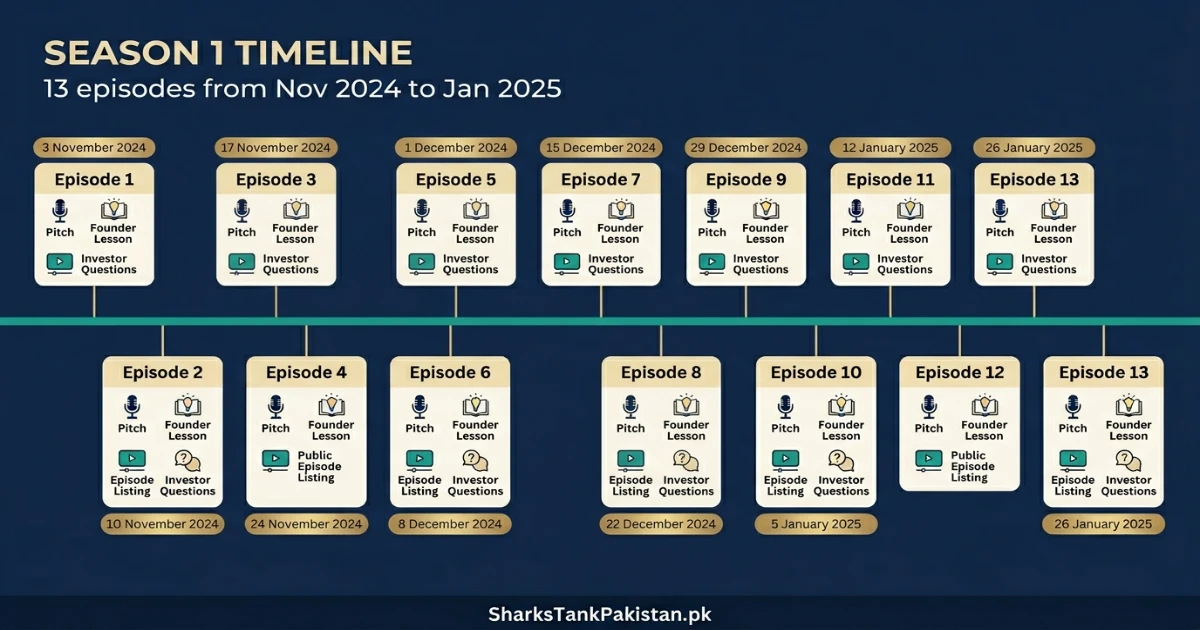
Season 1 Timeline: 13 Verified Episodes at a Glance
| Episode | Public date | Public pitch examples / angle | Founder lesson |
|---|---|---|---|
| Episode 1 | 3 Nov 2024 | Season opener; public pitch pages include examples such as Gum & Gums and Pink Salt. | Start with a clear problem, not a long backstory. |
| Episode 2 | 10 Nov 2024 | Kangaroo Care, Aero Engine Craft, Pill Box Pharmacy, Aashi Herbs, and Cafe Chai Wala appeared in public pitch listings. | Complex ideas need simple explanation and strong proof. |
| Episode 3 | 17 Nov 2024 | Move it, Shahtaj Qaiser, and National Impex were among public pitch examples. | Big asks need big evidence, especially for manufacturing or expansion-heavy plans. |
| Episode 4 | 24 Nov 2024 | Agri Revolution Company highlighted the farm-to-fork and livestock opportunity. | Operational businesses must show supply chain control. |
| Episode 5 | 1 Dec 2024 | Public examples include Elixes Bikes, Motto Vest, and TrulyKomal. | Hardware and product brands must explain safety, margins, and repeat demand. |
| Episode 6 | 8 Dec 2024 | Public examples include Upstreet Co. and Solution.com.pk. | Traditional categories can still feel investable when the founder shows a modern distribution edge. |
| Episode 7 | 15 Dec 2024 | Public examples include Stuffeez.pk, TRECycle, Protect Me, LibXR, and KAACIB. | Impact, protection, and innovation claims need a commercial model behind them. |
| Episode 8 | 22 Dec 2024 | Global Animal Passport Registration and Khaas Foodz appeared as public pitch examples. | Niche ideas need a believable market-size story. |
| Episode 9 | 29 Dec 2024 | Public examples include PAK BIOENERGY, H2O Air, and Zuucart. | Sustainability ideas must connect innovation with unit economics. |
| Episode 10 | 5 Jan 2025 | Bint E Ahan appeared as a public pitch example around women’s safety, mobility, and empowerment. | A mission-led pitch still needs a monetization path. |
| Episode 11 | 12 Jan 2025 | BizB appeared as a public pitch example in the circular fashion and resale space. | Marketplace founders must prove both supply and demand. |
| Episode 12 | 19 Jan 2025 | Beyond Borders and PodVare appeared as public pitch examples. | Premium products need proof of authenticity, pricing power, and distribution. |
| Episode 13 | 26 Jan 2025 | Final episode; public examples include Queen Extension, AiBL, Digital Lockers, and Earth Warriors. | In a finale, clarity matters more than noise: the best pitches are easy to understand fast. |
Complete Episode Summaries: Season 1, Episodes 1–13
Episode 1: The Local Format Finds Its Voice
Episode 1 introduced viewers to the Pakistani version of the Shark Tank format. The biggest learning for founders was simple: the first minute matters. A founder who spends too long explaining background loses momentum before the sharks reach the numbers.
Founder lesson: Prepare a 60-second opening that explains the problem, the customer, the product, and why now is the right time.
Episode 2: Technical Ideas Need Plain-Language Storytelling
Episode 2 included public pitch examples from health, aviation, pharmacy, herbal care, and food-service categories. That range made the episode useful for founders with complex ideas because it showed how quickly investors need to understand the core value.
Founder lesson: Do not hide behind jargon. If the sharks cannot repeat your idea in one sentence, the pitch is too complicated.
Episode 3: The Danger of a Huge Ask Without Matching Proof
Episode 3 stood out because public pitch examples included serious expansion and manufacturing ambition. Large asks can create attention, but they also invite deeper questioning about revenue, capacity, market access, and execution risk.
Founder lesson: A big valuation is not wrong by itself. It becomes weak when the founder cannot defend it with customers, contracts, margins, capacity, and growth evidence.
Episode 4: Agriculture and Livestock Require Operational Detail
Episode 4 gave founders a useful reminder that agriculture-related pitches are not just about passion for Pakistan’s farming sector. Investors want to know sourcing, logistics, quality control, wastage, pricing, and whether the model can survive outside one region.
Founder lesson: In agri, livestock, and food supply-chain businesses, operational clarity is your real pitch deck.
Episode 5: Safety, Mobility, and Product Trust
Episode 5 included public pitch examples around electric mobility, rider safety, and skincare. These categories all depend on trust. A customer has to believe the product is safe, effective, and worth paying for again.
Founder lesson: Bring proof: testing, customer reviews, repeat orders, certifications, before-and-after data, or anything that reduces buyer hesitation.
Episode 6: Traditional Products Can Win with Modern Distribution
Episode 6 showed how local categories can become more investable when the founder connects tradition with scale. Public examples included footwear and customized therapy equipment, both of which require a clear customer promise and reliable delivery.
Founder lesson: A familiar product is not a weakness if you can show a better brand, better fulfillment, or a sharper niche than existing players.
Episode 7: Social Impact Needs a Revenue Engine
Episode 7 mixed consumer, recycling, security, and technology ideas. This is the type of episode founders should watch when they believe their mission alone is enough. It is not. Mission attracts attention, but revenue keeps the business alive.
Founder lesson: If you pitch an impact idea, explain who pays, why they keep paying, and what happens when grants, donations, or hype slow down.
Episode 8: Niche Markets Need Market Education
Episode 8 included unusual and niche business ideas, including animal identification and inclusive dining concepts in public pitch listings. These pitches are interesting because they force founders to educate the investor before asking for money.
Founder lesson: When the category is new, explain the pain point first. Do not assume the sharks already understand why the market matters.
Episode 9: Sustainability Must Be Commercially Practical
Episode 9 included public examples in bioenergy, water technology, and grocery convenience. Sustainability and convenience both sound attractive, but investors still look for practical adoption: price, distribution, maintenance, repeat purchase, and payback period.
Founder lesson: Green technology becomes fundable when the economics are as clear as the environmental benefit.
Episode 10: Mission-Led Founders Must Show the Business Model
Episode 10 included a public pitch example connected to women’s safety, riding, and empowerment. This type of founder can create strong audience emotion, but sharks still need to understand the business engine behind the mission.
Founder lesson: Emotion can open the door, but business fundamentals decide whether an investor stays in the conversation.
Episode 11: Resale and Marketplace Ideas Need Trust
Episode 11 included BizB as a public pitch example in the preloved fashion space. Marketplace models can scale, but only when both sides trust the platform. Sellers need confidence they will get value; buyers need confidence they will get quality.
Founder lesson: For marketplaces, prepare metrics around active users, repeat buyers, supply quality, fraud control, and customer acquisition cost.
Episode 12: Premium Products Need Authenticity Proof
Episode 12 included public pitch examples such as Beyond Borders and PodVare. The episode is useful for founders selling premium products because premium pricing only works when the customer believes the product is authentic, durable, and better than alternatives.
Founder lesson: If your price is higher than the market average, explain exactly what makes the product worth more.
Episode 13: The Final Episode Rewards Clarity
Episode 13 was publicly listed as the final episode of Season 1. Public pitch examples included Queen Extension, AiBL, Digital Lockers, and Earth Warriors. The finale is useful because it shows the range of ideas the format can hold: beauty services, assistive technology, digital convenience, and climate education.
Founder lesson: A finale pitch does not need to be loud. It needs to be clear, focused, and easy for the sharks to understand quickly.
The Correct Shark Tank Pakistan Season 1 Shark Panel
A major trust issue in the earlier draft was the shark panel. The safer Season 1 panel to use is listed below.
| Shark | Public profile / company association | Founder fit to study |
|---|---|---|
| Aleena Nadeem | EduFi | Education, fintech, youth access, scalable consumer models |
| Faisal Aftab | Zayn VC | Technology, venture scale, unit economics, founder-market fit |
| Junaid Iqbal | Salt Ventures | Operations, platforms, scalable local businesses |
| Karim Teli | Igloo Pakistan | Consumer products, distribution, retail execution |
| Rabeel Warraich | Sarmayacar | Startups, venture-backed growth, digital businesses |
| Romanna Dada | Women Collective | Women-led ventures, brand, impact, consumer insight |
| Usman Bashir | BrakeTime | Food, operations, franchise thinking, service execution |
Key Themes Across Season 1
Across the season, three themes appeared again and again. First, founders needed to explain numbers clearly. Even a strong story becomes weak when the founder cannot defend pricing, margins, revenue, or customer demand.
Second, local execution mattered. Pakistan is a market where logistics, trust, cash flow, and distribution can decide whether an idea works. Founders who only talked about “big market size” without showing execution details looked less prepared.
Third, the best pitches connected emotion with evidence. The show naturally rewards stories, but investors still need proof that the business can survive after the cameras switch off.
Important wording for final publication: Use “public pitch example,” “on-air offer,” “asked amount,” or “featured pitch” unless you have confirmation that the final investment was legally completed. This keeps the article accurate and safer for long-term SEO.
What Founders Should Learn from the Season
- Know your numbers: revenue, margins, customer acquisition cost, repeat purchase rate, inventory, and break-even point.
- Show proof early: screenshots, invoices, purchase orders, users, testimonials, certifications, or distribution agreements.
- Be realistic with valuation: a shark can disagree with your price, but they should not feel you invented it.
- Explain why the shark helps: do not ask for money only; explain what strategic support you need.
- Prepare for due diligence: organize financial records, founder agreements, tax documents, IP ownership, and customer contracts before applying.
Situation-Based Viewing: Which Episodes Should You Study?
If You Are a Tech Founder
Study Episodes 2, 7, 8, 9, and 13. These episodes include examples around advanced technology, mobile security, animal identification, water innovation, digital lockers, and assistive technology. Your goal is to explain complex value in simple language.
If You Are a D2C or Consumer Brand Founder
Study Episodes 1, 5, 6, 11, and 12. These episodes include examples from oral care, pink salt, skincare, footwear, preloved fashion, and premium beauty. Your goal is to prove repeat demand and distribution strength.
If You Are a Social Impact Founder
Study Episodes 7, 8, 10, and 13. These episodes include recycling, inclusive dining, women’s mobility, and climate education examples. Your goal is to show that your mission has a sustainable revenue model.
If You Are Applying for Shark Tank Pakistan
Watch the episodes with a notebook. For every pitch, write down the first question the sharks ask. That question usually reveals the biggest weakness in the pitch: unclear market, weak numbers, valuation gap, operational risk, or lack of proof.
Common Mistakes When Learning from Shark Tank Pakistan
The first mistake is copying someone else’s equity or valuation. A food brand, a medical device, a marketplace, and a manufacturing business cannot all be priced the same way. Their risk, capital need, margins, and growth potential are different.
The second mistake is assuming that an on-air offer means the money was finally transferred. In reality, any serious investor will check documents after filming. Founders should treat the handshake as the start of a process, not the end.
The third mistake is overvaluing attention. A pitch can go viral and still fail commercially. The better question is: did the founder build a system that can keep converting customers after the episode?
Before You Pitch: A Practical Checklist
| Area | What to prepare | Why it matters |
|---|---|---|
| Revenue | Monthly revenue, gross margin, net margin, growth trend | Shows whether the business is real or only an idea. |
| Customers | Repeat purchase, retention, reviews, user growth | Shows demand beyond friends and family. |
| Valuation | How you calculated your ask and equity offer | Prevents the pitch from feeling random. |
| Operations | Supply chain, fulfillment, quality control, delivery timelines | Shows whether the business can scale. |
| Legal | Founder agreement, IP ownership, tax records, licenses | Protects the deal during post-show due diligence. |
Put This Episode Guide into Practice
Use the SharksTankPakistan.pk Valuation Calculator
Before copying a pitch from TV, open the Startup Valuation Calculator and test your own numbers. Your valuation should connect to revenue, growth, margins, market size, and risk — not only to confidence.
Related Resources on SharksTankPakistan.pk
Frequently Asked Questions About the Shark Tank Pakistan Episode Guide
How many episodes are in Shark Tank Pakistan Season 1?
The safest public wording is that Season 1 has 13 episodes, with Episode 13 listed as the final episode on Myco. Avoid saying 14 episodes unless a reliable official source confirms an additional full episode.
Why was Episode 14 removed from this guide?
Episode 14 was removed because the previous draft contained unsupported details and the public episode listing identifies Episode 13 as the final episode. Keeping a fake or unverified Episode 14 would weaken trust.
Can I say every on-air Shark Tank Pakistan offer became a closed deal?
No. Use “on-air offer” unless the founder, shark, official platform, or a reliable source confirms that the investment was completed after due diligence.
Who were the Shark Tank Pakistan Season 1 sharks?
The widely reported Season 1 shark panel included Aleena Nadeem, Faisal Aftab, Junaid Iqbal, Karim Teli, Rabeel Warraich, Romanna Dada, and Usman Bashir.
Where can I watch Shark Tank Pakistan episodes?
Public episode listings and pitch clips have appeared on Myco, with the show also associated with Green Entertainment. Availability can change, so viewers should check official Shark Tank Pakistan and Myco channels for the latest streaming access.
What is the best way for founders to use this episode guide?
Use it as a pitch-preparation checklist. Watch how founders explain their problem, numbers, proof, and valuation, then test whether your own business can answer the same questions clearly.
Should I copy a valuation from a Shark Tank Pakistan pitch?
No. Every business has different revenue, risk, margin, growth, and funding needs. Use TV valuations as learning examples, not as a direct formula for your own startup.
What is the biggest founder lesson from Season 1?
The biggest lesson is that confidence is not enough. Founders need simple storytelling, clear numbers, proof of demand, and realistic expectations about investor due diligence.
Editorial source note: This corrected guide is based on publicly available episode and pitch listings, especially Myco episode pages. It intentionally avoids unsupported claims about final funding, exact closed-deal totals, or post-show legal outcomes.
Your Fast-Track Cheat Sheet
1. Use 13 episodes, not 14. Episode 13 is publicly listed as the final Season 1 episode, so this guide removes the unsupported Episode 14 section.
2. Use the correct seven-shark panel. The safer panel list is Aleena Nadeem, Faisal Aftab, Junaid Iqbal, Karim Teli, Rabeel Warraich, Romanna Dada, and Usman Bashir.
3. Do not overclaim deals. Unless the final investment is verified, describe outcomes as on-air offers or featured pitches, not guaranteed closed investments.