The History of Shark Tank Pakistan: From Concept to Reality Show
If you’ve ever watched a Pakistani founder step into the tank, hands trembling but pitch polished, you’ve witnessed the outcome of a journey that started years before any cameras rolled. The history of Shark Tank Pakistan is more than just a timeline of launch dates and casting calls. It’s a story about recognizing that Pakistan’s informal, scrappy, and often invisible startup culture deserved a stage — and that a TV show, done right, could change how a nation thinks about business.
This article unpacks the full arc: the global franchise’s roots, the local players who pushed to make it happen, the production and format decisions that shaped what viewers see, and the ecosystem shifts that followed. For anyone building a startup in Pakistan, applying to the show, or simply curious about how a bold idea became a cultural force, this is the definitive history of Shark Tank Pakistan.
The Global Franchise That Started It All
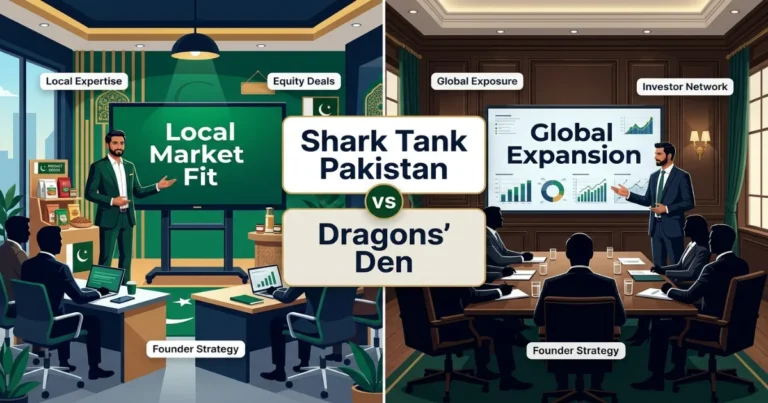
To understand the history of Shark Tank Pakistan, you first need to understand the machine it came from. The original Shark Tank format — known internationally as Dragons’ Den — originated in Japan in 2001 as Money Tigers. The concept was brilliantly simple: real entrepreneurs pitch to real investors, on camera, with real money on the line. No scripts. No actors. Just the raw tension of someone asking for investment and being told no — or yes — on national television.
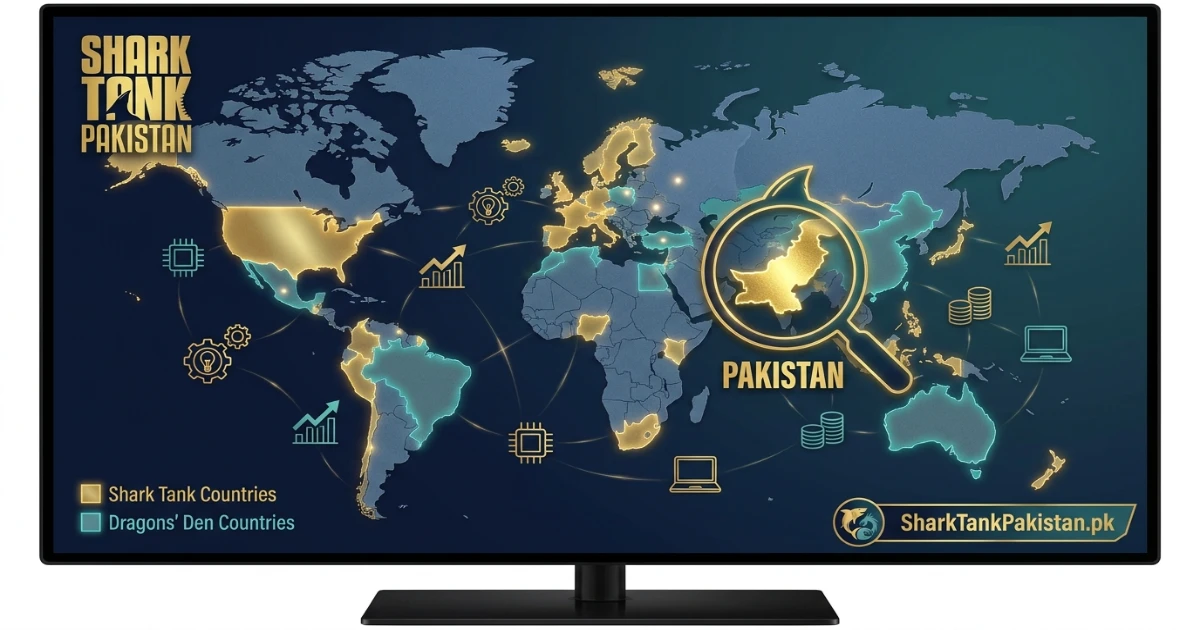
The format exploded globally. The UK’s Dragons’ Den launched in 2005. The US version, Shark Tank, premiered in 2009 and became a cultural juggernaut, turning investors like Mark Cuban and Barbara Corcoran into household names. Regional adaptations followed in India, Australia, the Middle East, and across Africa. But for years, Pakistan remained absent from that map — despite having all the raw ingredients.
Why Pakistan? The Local Demand Nobody Was Serving
By the late 2010s, Pakistan’s startup ecosystem was beginning to show serious signs of life. Airlift, Careem, Foodpanda, and Bykea had proven that Pakistani startups could raise international venture capital. Yet the vast majority of founders — especially those outside Karachi, Lahore, and Islamabad — had no access to angel investors, no mentorship networks, and no platform to showcase what they were building.
At the same time, Pakistani television was hungry for fresh formats. Reality shows were popular, but none focused on business. The gap was obvious: a massive, young, entrepreneurial population with limited funding pathways and a media landscape searching for the next big thing. The history of Shark Tank Pakistan is rooted in this precise intersection of cultural readiness and unmet demand.
The Pre-Launch Journey: Licensing, Partners, and the Long Wait
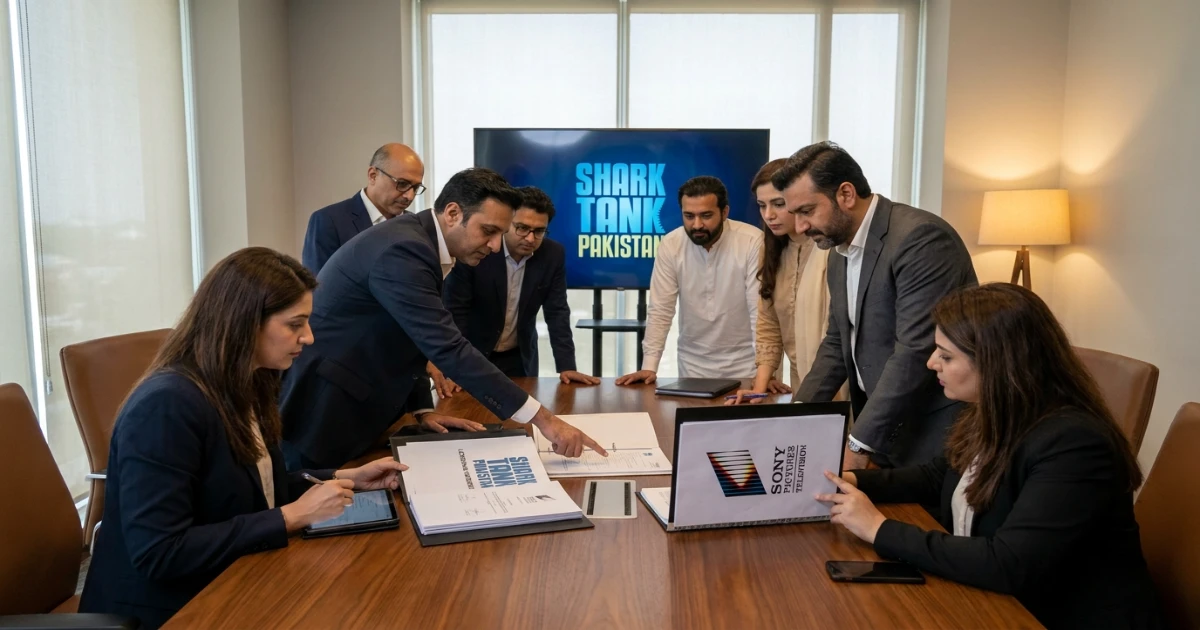
Bringing Shark Tank to Pakistan was not a simple transaction. The format is owned by Sony Pictures Television, and local licensing requires partners with both production capability and a deep understanding of the business landscape. Early conversations reportedly began as far back as 2018, with multiple production houses and broadcasters exploring the opportunity.
What made the Pakistani adaptation complex was the need to balance the global format’s strict requirements with local realities. The US version, for example, operates with a highly developed venture capital infrastructure behind it. In Pakistan, the “sharks” had to be more than just cheque-writers — they needed to be mentors, connectors, and patient capital providers in a market where exits are rare and timelines are long.
After a series of negotiations, a local production partner secured the rights, and a major Pakistani broadcaster came on board. Casting the sharks was the next critical step — and it’s where the history of Shark Tank Pakistan took on its distinctly local character.
Building the Panel: How Pakistan’s Sharks Were Chosen
If the show’s format was the skeleton, the sharks were the heart. The producers knew they couldn’t simply replicate the US panel. Pakistan’s business landscape is dominated by family-run conglomerates, self-made industrialists, and a handful of tech entrepreneurs who had built regional success stories. The sharks needed to reflect that diversity.
The selection criteria were more demanding than many viewers realize. Each shark had to demonstrate not just net worth, but a genuine willingness to deploy personal capital into early-stage Pakistani businesses. They needed sectoral diversity — someone who understood manufacturing, someone who understood tech, someone who understood consumer brands. And critically, they needed on-screen chemistry that could carry a television show.
The final panel brought together a blend of legacy business experience, new-economy success, and the kind of blunt, constructive honesty that makes for compelling — and genuinely useful — feedback. The sharks’ own backstories became part of the history of Shark Tank Pakistan, because they represented the spectrum of what building wealth in Pakistan actually looks like: not inherited, but built through decades of navigating the country’s unique challenges.
Adapting the Format: What Makes Shark Tank Pakistan Different
Global format adaptations live or die by how intelligently they localize. The history of Shark Tank Pakistan reveals a show that didn’t copy-paste the US version but thoughtfully re-engineered it for Pakistani entrepreneurs and audiences.
| Element | Shark Tank US | Shark Tank Pakistan |
|---|---|---|
| Typical Ask Range | $50K – $2M | PKR 50 Lakh – PKR 5 Crore |
| Equity Range Offered | 5% – 50% | 5% – 40% (with heavier emphasis on mentorship clauses) |
| Judges’ Backgrounds | Mix of tech, retail, venture capital | Industrialists, consumer goods, tech, real estate — reflective of Pakistan’s economy |
| Business Types Featured | Wide range, high proportion of scalable tech | Strong representation of traditional manufacturing, agriculture-adjacent, consumer products, and local services |
| Due Diligence Process | Post-show, rigorous | Post-show, adapted for less formal documentation common among Pakistani SMEs |
| On-Air Tone | Competitive, fast-paced | Mentorship-focused, with extended Q&A on operational fundamentals |
These differences weren’t accidental. The Pakistani production team understood that a direct replica of the US format would fail to capture the nuanced reality of Pakistani business — where deals often depend on trust built over months, where financial statements might exist in handwritten ledgers, and where a shark’s network can matter more than their cheque.
Season 1: The Launch That Captured a Nation
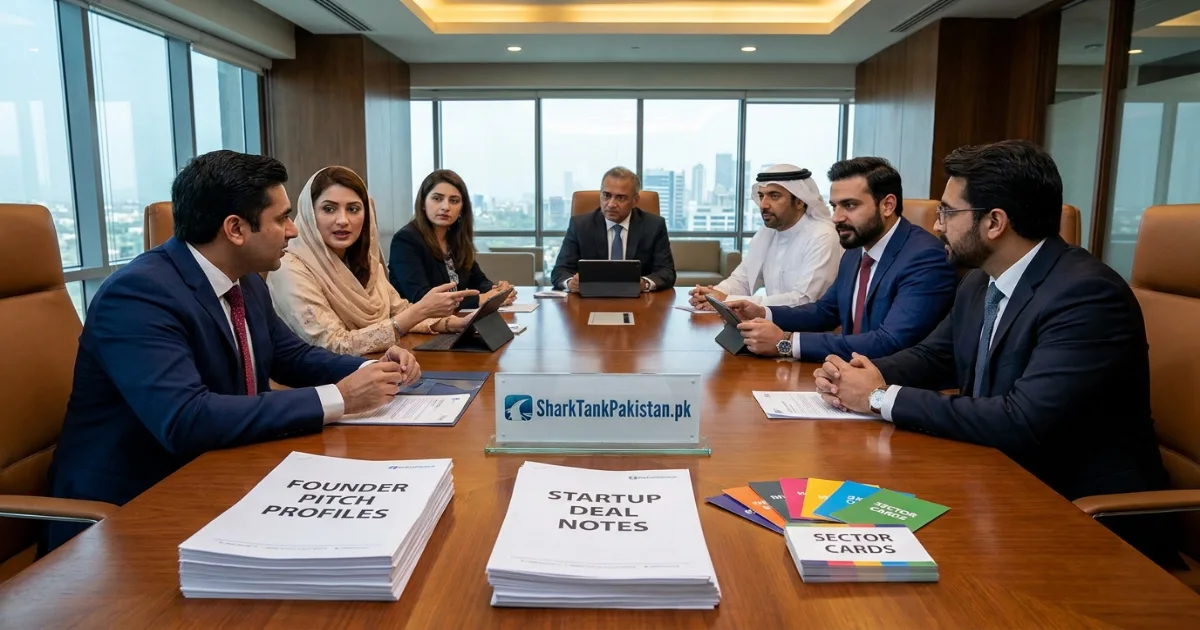
The first season of Shark Tank Pakistan premiered to an audience that was curious, sceptical, and ultimately captivated. Early episodes featured a mix of polished startups and raw, early-stage ventures — some that made the sharks lean in, others that made them lean back. But the common thread was authenticity. These were real Pakistani founders, speaking Urdu and English in the same sentence, pitching products that viewers could find in their own cities.
The season’s breakout pitches — from homegrown food brands to innovative agri-tech solutions — proved that compelling businesses don’t only come from Silicon Valley-style tech hubs. They come from Sialkot, Faisalabad, Quetta, and Peshawar. The history of Shark Tank Pakistan shifted in Season 1 from “will this work?” to “this is bigger than we thought.”
Situation-Based Lens: Why the Show’s History Matters for Different Audiences
Understanding the history of Shark Tank Pakistan isn’t just trivia. The insights you extract should shift depending on who you are in the ecosystem.
If You’re an Aspiring Contestant
Knowing the show’s origins helps you understand what the producers and sharks are actually looking for. The format was adapted to feature businesses that reflect Pakistan’s economy — not just scalable tech, but also manufacturing, agriculture, and consumer goods. Tailor your pitch to demonstrate not just revenue potential, but how your business fits into the local economic fabric. Sharks respond to founders who understand their own supply chain, distribution challenges, and market realities — not just those with flashy valuations.
If You’re an Investor or Ecosystem Builder
The show’s history reveals a blueprint for deal-making in Pakistan that differs from Silicon Valley models. The mentorship-heavy, network-driven approach that emerged organically in Season 1 is worth studying. It suggests that in markets with limited exit opportunities, investors need to think beyond equity returns — focusing on operational value-add that can increase a company’s survival odds in a tough environment.
If You’re a Curious Viewer or Student
Don’t just watch the show as entertainment. The history of how it came to be — the years of negotiation, the careful shark selection, the format adaptations — demonstrates a principle that applies far beyond television: importing a global idea without localizing it deeply is a recipe for mediocrity. Whether you’re launching a startup, a community project, or a creative venture, the lesson is the same. Understand your context first.
Common Misconceptions About the Show’s Origins
Even as Shark Tank Pakistan has become a fixture in the national conversation, several myths about its history persist. Here’s what people get wrong — and what the reality actually looks like.
Misconception #1: “It was an overnight success, launched without friction”
Far from it. The licensing process took multiple years, with several false starts. Potential broadcasters initially hesitated, uncertain whether a business reality format could attract prime-time audiences in Pakistan. The eventual success was not guaranteed — it was the result of persistent advocacy by a small group of producers and investors who believed in the format’s potential.
Misconception #2: “The sharks were easy to recruit because of the show’s fame”
Before the show aired, there was no fame. Recruiting high-net-worth individuals to commit significant time — and real capital — on a television show with no proven local track record was genuinely difficult. Several early candidates declined, uncomfortable with the transparency the format demands. The sharks who said yes took a risk.
Misconception #3: “It’s just a copy of the Indian or US version”
While the core format is shared, the adaptation choices — the emphasis on mentorship, the types of businesses selected, the negotiation rhythms — are distinctly Pakistani. The show operates in a funding environment with far fewer institutional investors, which changes the dynamic between sharks and founders in profound ways. Dismissing it as a copy misses the entire localization story that defines the history of Shark Tank Pakistan.
How SharkTankPakistan.pk Tools Help You Navigate the Post-History Landscape
Understanding the history of Shark Tank Pakistan gives you context. Applying that context to your own entrepreneurial journey requires practical tools. The resources available on SharksTankPakistan.pk are built precisely for this — bridging the gap between inspiration and execution.
For example, if you’re preparing to apply, our Startup Valuation Calculator lets you model different equity scenarios before you ever face a shark. The show’s history teaches us that unrealistic valuations are the fastest way to lose credibility — our calculator helps you arrive at a number you can defend with data, not just enthusiasm.
Similarly, if you’re weighing different funding structures, the Equity vs. Loan Calculator helps you see the long-term cost of the choices you make on camera. Many Season 1 founders later admitted they hadn’t fully modelled the dilution impact of their deals. Don’t repeat that mistake.
Real-World Ripple Effects: How the Show Changed the Ecosystem
No history of Shark Tank Pakistan is complete without measuring its impact beyond the broadcast. The show didn’t just entertain; it normalized conversations about entrepreneurship in households that had never discussed term sheets or equity splits.
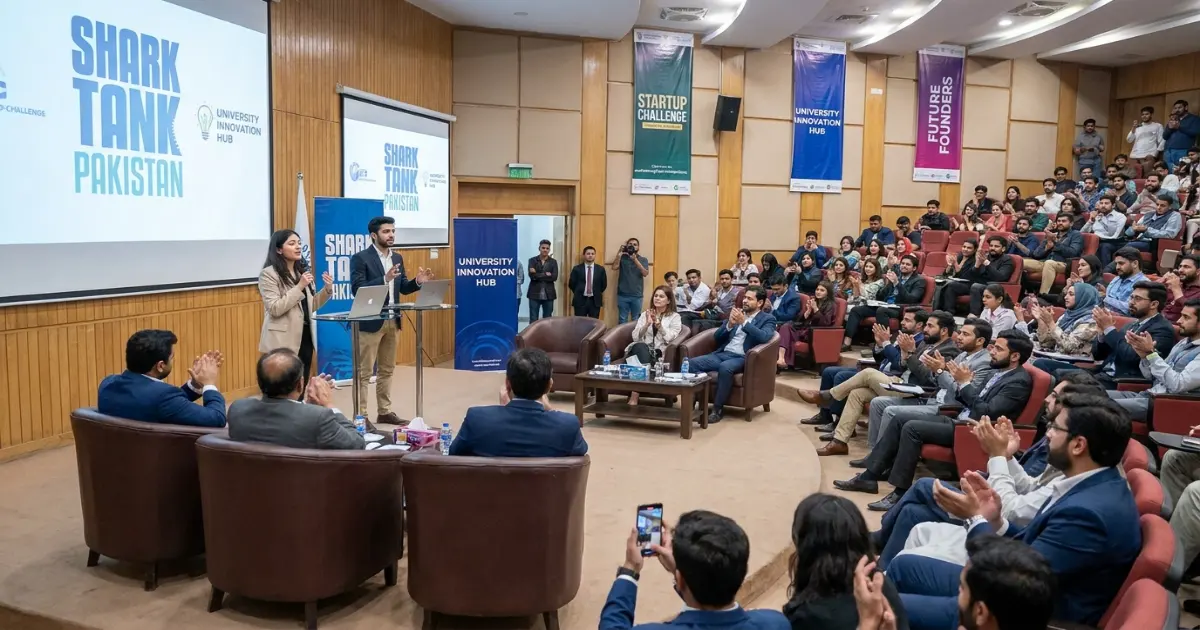
University entrepreneurship clubs reported a surge in membership after Season 1 aired. Small-town founders began reaching out to mentors and accelerators, citing the show as their inspiration. Banks and microfinance institutions noticed an uptick in inquiries from young people wanting to start businesses — not just get jobs. The show’s visibility gave permission to a generation that had been told to play it safe.
Even the investors benefited. Several sharks reported an inflow of deal flow from businesses they would never have encountered through their existing networks. The show functioned as a two-sided discovery platform — founders found capital, and investors found deal flow in segments they’d previously overlooked.

Frequently Asked Questions About the History of Shark Tank Pakistan
When did Shark Tank Pakistan first air?
Shark Tank Pakistan premiered its first season in the early 2020s, following several years of licensing negotiations, partner selection, and production setup. The exact premiere date marked the culmination of a multi-year effort to bring the format to Pakistan.
Who owns the Shark Tank Pakistan format?
The format is owned by Sony Pictures Television and licensed to a local Pakistani production partner. The local licensee handles production, shark casting, and adaptation for the Pakistani market while adhering to global format guidelines.
How is Shark Tank Pakistan different from the US version?
Shark Tank Pakistan emphasizes mentorship alongside investment, features a higher proportion of traditional manufacturing and consumer goods businesses, and operates with due diligence processes adapted for less formal financial documentation common among Pakistani SMEs.
Were the sharks difficult to recruit?
Yes. Before the show aired, convincing high-net-worth individuals to commit time and personal capital to an unproven format required significant effort. Several early candidates declined, making the final panel a group of genuine risk-takers.
What was the biggest challenge in launching the show?
The largest challenge was adapting a format built for mature venture capital markets to Pakistan’s ecosystem, where exits are rare, documentation is inconsistent, and mentorship is often more valuable than capital alone.
How did the show impact Pakistan’s startup ecosystem?
It normalized entrepreneurship conversations nationwide, increased university interest in startups, directed deal flow to investors in overlooked sectors, and inspired a wave of applications from founders outside major cities.
Can I watch Shark Tank Pakistan online?
Episodes are typically available through the broadcaster’s official streaming platform and YouTube channel. Check the official network website for the most current availability and regional access options.
Is there going to be a second season of Shark Tank Pakistan?
Following the success of Season 1, a second season has been widely anticipated. Refer to official announcements from the broadcaster and production partner for confirmed renewal details and application dates.
🚀 Your Fast-Track Cheat Sheet: 3 Key Takeaways from the History of Shark Tank Pakistan
1. Localization is everything. The show succeeded not because it copied a global format, but because it adapted to Pakistan’s business realities — mentorship-heavy deals, traditional sector inclusion, and patience with imperfect documentation. Whatever you’re building, adapt before you adopt.
2. The ecosystem was ready — the show just unlocked it. Pakistan’s entrepreneurial energy existed long before the cameras rolled. The show’s real achievement was giving it visibility, legitimacy, and a platform. Your business idea might already have an audience waiting; the question is whether you’ll step onto whatever stage is available to you.
3. Preparation beats inspiration. The founders who succeeded on the show didn’t just have good stories — they had clear unit economics, distribution plans, and realistic asks. Use the calculators and resources on SharksTankPakistan.pk to build that same rigor before you apply or pitch anywhere.