Branding Lessons from Shark Tank Pakistan Pitches That Failed
The most painful Shark Tank Pakistan branding lessons come from founders who had solid products but lost deals because sharks couldn’t instantly describe their brand, couldn’t see who the customer was, or felt the visual identity cheapened the business. A brand that fails to answer “who is this for and why should they care?” in the first ten seconds rarely gets a second chance.
Every season of Shark Tank Pakistan leaves behind a trail of pitches that didn’t just fail to get investment — they failed to make anyone feel anything. The numbers were sometimes there. The product sometimes worked. But the brand was invisible, confusing, or completely mismatched to the audience it claimed to serve. These aren’t just entertainment moments; they’re free masterclasses in what not to do. The Shark Tank Pakistan branding lessons buried in those rejections can save your startup years of identity drift.
What follows isn’t abstract marketing theory. It’s a forensic look at the branding missteps that surfaced on the show — mistakes Pakistani founders make every day, magnified under studio lights. Whether you’re preparing your own pitch or simply building a business that customers remember, these patterns will change how you think about your brand.
Why Branding Became the Silent Deal Killer in Season 1
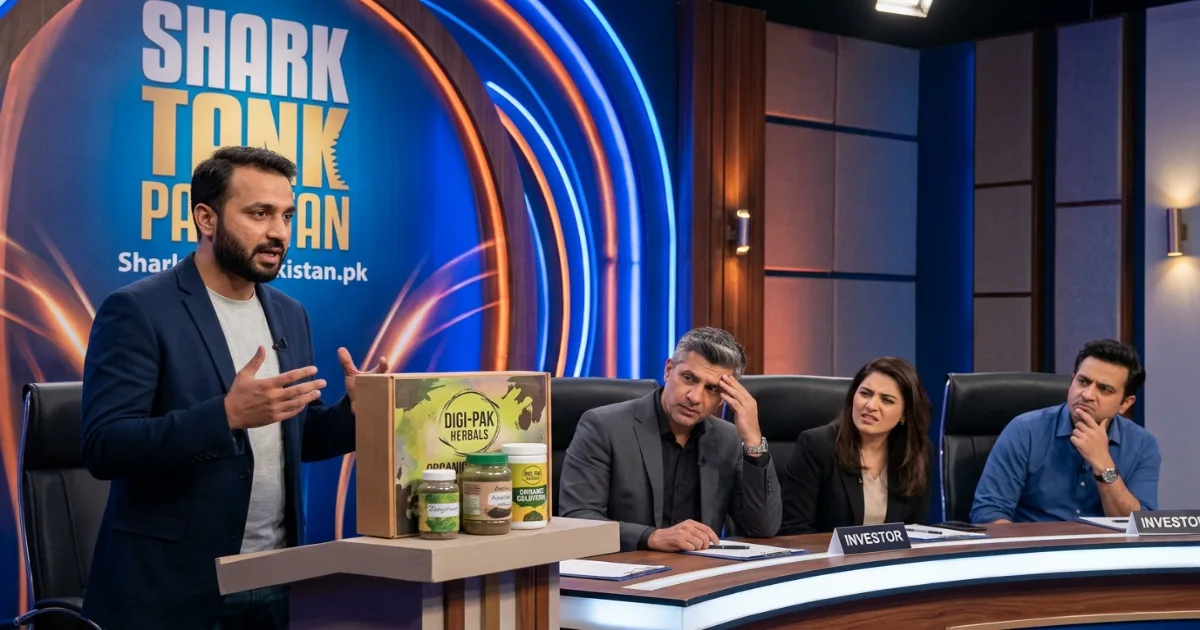
Sharks can evaluate a financial model. They can argue about valuation. But when a brand feels hollow, there’s nothing to negotiate — they simply check out. In the first season of Shark Tank Pakistan, several pitches ended with variations of the same shark feedback: “I don’t understand who your customer is,” or “Your product looks premium but your packaging says street stall.” Those aren’t product failures. They’re brand positioning failures.
In the Pakistani market, where word-of-mouth and visual trust cues carry enormous weight, a fuzzy brand makes a business look uninvestable even when the unit economics work. The sharks understood this instinctively. The founders who got deals didn’t just have good products — they had brands that felt finished, intentional, and impossible to confuse with a competitor.
The 5 Branding Blunders That Kept Coming Back
1. The “Everything for Everyone” Brand
Several founders opened their pitches by claiming their product was for “all Pakistanis” or “every household.” That’s not positioning; it’s avoidance. A brand that tries to appeal to everyone ends up mattering to no one. Sharks repeatedly pushed back, asking the same uncomfortable question: “Who is your first hundred customers?” Founders who couldn’t answer lost the room. A pickle brand that says it’s for “all food lovers” is far weaker than one that says it’s for “busy Karachi mothers who want homemade taste without the time.”
2. Mismatched Visual Identity and Pricing
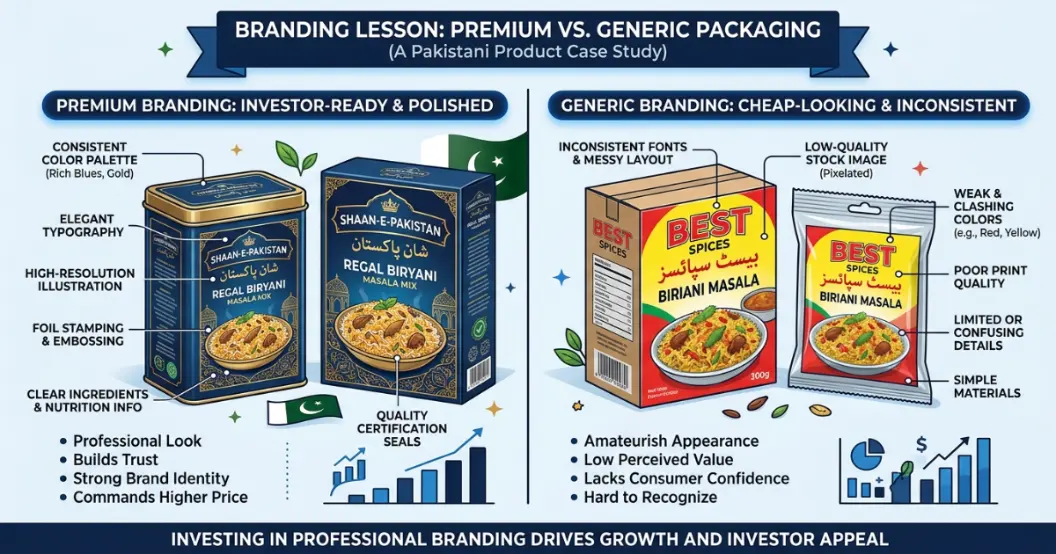
One of the most common branding failures was a disconnect between how the product looked and what it cost. A founder pitching a premium-priced skincare line in generic plastic jars with inconsistent labeling heard this from a shark: “If I’m paying luxury prices, I want to feel luxury in my hands.” Your packaging, logo, and even your own appearance are part of the brand promise. When they contradict the price, customers feel cheated before they even try the product.
3. A Name That Confuses Instead of Clarifies
Abstract, invented names without immediate meaning put an extra cognitive load on everyone — sharks, customers, and retailers. A tech platform with a name that sounded like a pharmaceutical company confused the entire panel. Another food brand used a name that meant something beautiful in Persian but was unpronounceable for most Pakistanis. The fix? Your brand name should either hint at what you do or be so short and rhythmic that it earns its ambiguity through memorability. If it does neither, change it before you pitch.
4. The Story Gap: No Founder-Brand Connection
Shark Tank Pakistan is built on founder stories. When a pitch lacks a personal link between the entrepreneur and the problem they’re solving, the brand feels transactional. One founder selling children’s educational kits couldn’t explain why she started the business beyond “I saw a gap.” The sharks didn’t invest — not because the gap wasn’t real, but because a brand without an emotional anchor is easy to copy. The strongest brands on the show had founders who were visibly, almost irrationally, connected to their mission.
5. Ignoring the Cultural Context of Pakistani Consumers
A few pitches imported branding templates from Western markets without adapting them. A meal-kit startup used minimalist, pale-colored packaging that looked sophisticated on Instagram but felt cold and unappetizing to a Pakistani family used to rich, warm food imagery. Another brand’s tagline relied on English wordplay that flew over the head of its Urdu-speaking target audience. Cultural fluency isn’t optional; it’s the foundation of trust in Pakistan’s consumer market.
“The pitches that failed on branding didn’t look unprepared — they looked unfinished. The sharks can forgive early revenue numbers. They can’t forgive a founder who hasn’t done the basic work of deciding what their business stands for.”
Brands That Got Deals vs. Brands That Didn’t: A Side-by-Side Look
The table below isolates the branding dimensions that separated funded pitches from unfunded ones — not product quality, but pure brand perception.
| Branding Element | Pitches That Got Deals | Pitches That Failed |
|---|---|---|
| Name Clarity | Immediately understandable or powerfully short; hints at function or emotion | Abstract, hard to pronounce, or disconnected from the product category |
| Visual Identity | Consistent color palette, professional packaging that matches price point | Clip-art logos, mismatched fonts, packaging that looks like a first draft |
| Founder Story | Deeply personal, connects founder’s life to the brand’s reason for being | Generic “I saw a market opportunity” with no personal stakes |
| Target Audience Specificity | Names a specific, narrow customer group and speaks directly to them | “Everyone” or overly broad demographics with no focus |
| Cultural Relevance | Uses language, imagery, and references that feel native to Pakistani consumers | Feels imported, uses foreign idioms, or ignores local aesthetic preferences |
How Branding Advice Changes Based on Your Startup Stage
If You’re Pre-Revenue and Pre-Launch
You don’t have customers yet, so your brand is entirely a promise. That means your visual identity, your name, and your founder story carry all the weight. Don’t rush to launch with a half-formed brand. Spend time on a name that tells a story, a logo that a local designer has stress-tested, and packaging that would make someone stop scrolling. A pre-revenue founder on Shark Tank Pakistan who shows up with a beautifully thought-out brand communicates that they take their own business seriously — which makes sharks take it seriously too.
If You’re Generating Revenue and Have Customers
Your brand is no longer just a promise — it’s also a reputation. The risk shifts from “no one knows you” to “what people know doesn’t match what you’re pitching.” Audit your customer touchpoints honestly. Do your regular buyers describe your brand the way you do? If your product sells at a premium but your Instagram comments complain about cheap packaging, fix that before you enter the tank. A shark will find that disconnect in seconds.
If You’re a B2B Brand vs. a Consumer Brand
B2B brands on the show often ignored branding entirely, thinking it didn’t matter. That was a mistake. Even when selling to other businesses, a clear, professional brand signals reliability. Your name still matters. Your visual identity still matters. The difference is that B2B branding should emphasize competence and clarity over emotional storytelling. But it must still exist. A logistics startup with no logo and a generic name made the sharks visibly uncomfortable — not because the business model was bad, but because it didn’t feel like a real company.
Common Pitfalls When Applying These Branding Lessons
Learning from failed pitches is powerful, but misapplying the lessons can create new problems. Here’s where founders tend to overcorrect:
- Over-branding without substance. Some founders see the lesson and invest heavily in packaging, photography, and a slick name — but the product doesn’t deliver. Beautiful branding on a mediocre product creates a one-time buyer, not a business. Branding amplifies what’s already there; it doesn’t replace product quality.
- Copying a winning brand’s aesthetic. After a deal gets airtime, copycats emerge. But a brand that looks like a watered-down version of a funded startup signals “follower,” not “founder.” Sharks can spot a borrowed identity instantly.
- Over-explaining the name. If your pitch spends 30 seconds unpacking the meaning behind your brand name, the name is wrong. A great brand name lands without a manual.
When to Ignore This Advice (The Intentional Exceptions)
There are moments when a deliberately unconventional brand choice is the right strategic move — and those moments can work on Shark Tank Pakistan if handled with confidence:
- You’re targeting a niche that values insider language. A brand aimed at Gen Z gamers or a specific subculture can use abstract names and unconventional visuals. The key is that the target audience instantly gets it, even if the sharks don’t. If that’s your play, state it clearly: “Our audience recognizes this language, and they’re the only ones who matter.”
- Your founder personality is the brand. If you’re a larger-than-life founder who will sell the product through sheer force of personality, the visual brand can be secondary. But this only works if your charisma is undeniable — and even then, a basic level of professional design is non-negotiable.
- Your product is so functionally superior that brand is irrelevant. This is rare, but if you have a patented technology or a supply chain advantage no one else can match, a weak brand might be forgiven. Even then, a stronger brand would only multiply your advantage.
How to Audit Your Own Brand Using SharkTankPakistan.pk Tools
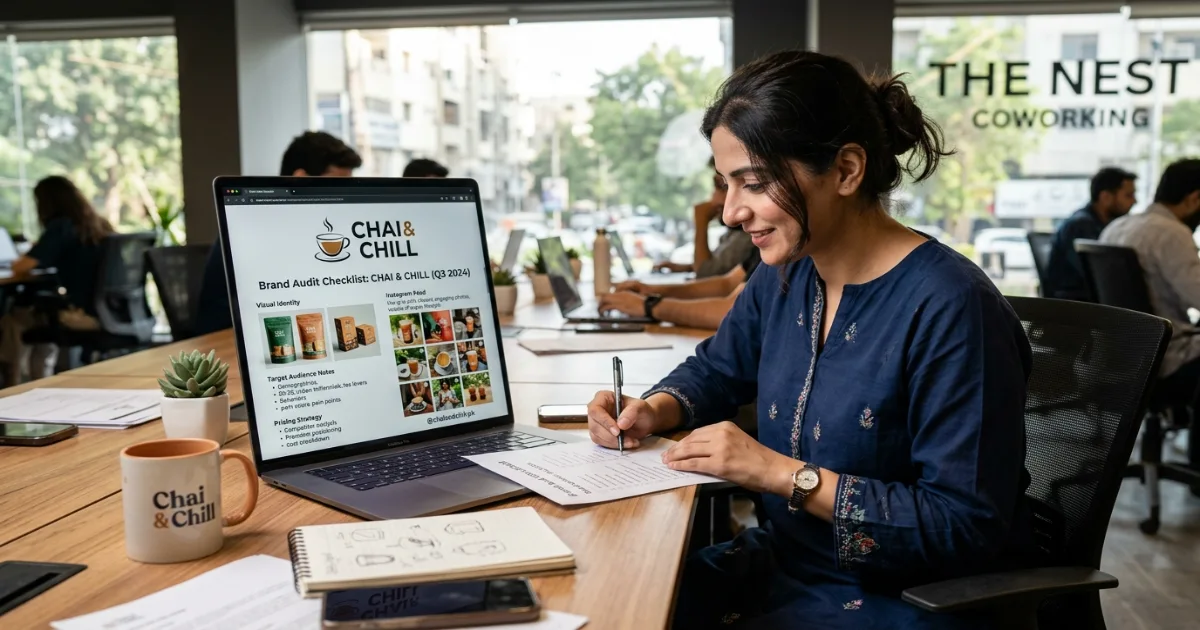
Branding isn’t just about aesthetics — it’s intimately tied to your valuation, your ask, and the story you tell about growth. Here’s how our tools help you align your brand promise with your financial reality.
Start with the Startup Valuation Calculator. If your brand is positioned as a premium, high-margin product, your valuation multiples should reflect that. A mass-market brand with luxury pricing creates a gap the calculator will expose — because the numbers won’t support the story you’re telling. Run your figures and see if your brand positioning and your financials tell the same story.
Then, use the Equity vs. Loan Calculator to model how your branding strength affects your negotiating power. A strong, clear brand gives you leverage to ask for better terms. A weak brand forces you to give up more equity for the same capital. Seeing that trade-off in hard numbers makes the case for branding investment better than any marketing lecture ever could.
Real-World Example: The Spice Blend Brand That Almost Had It All
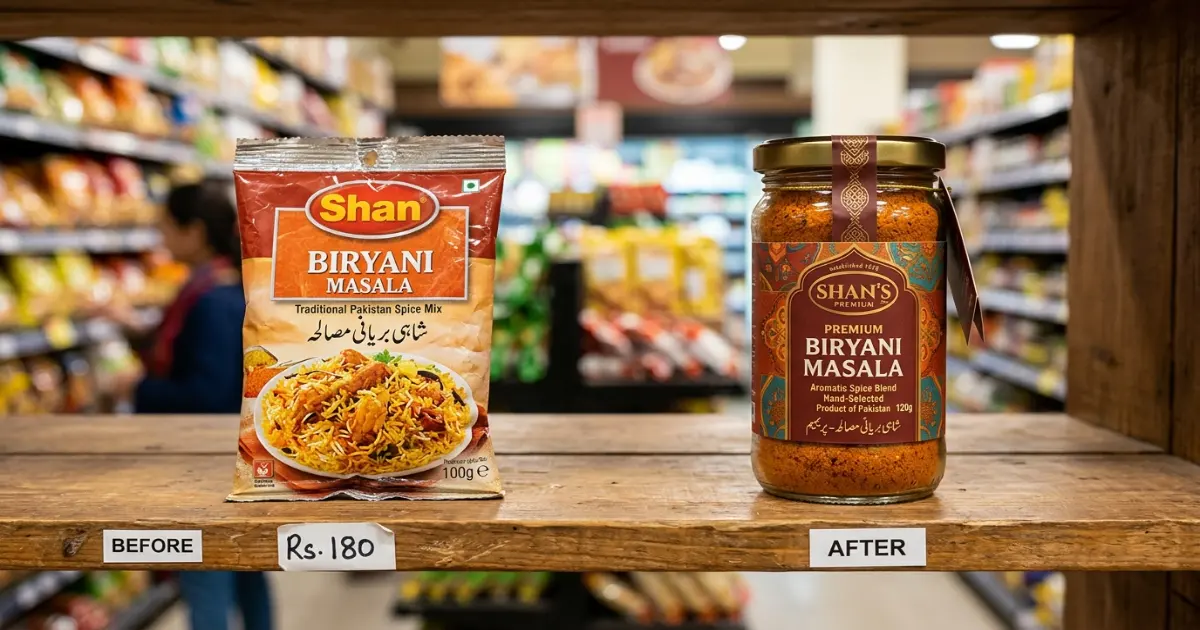
A Karachi-based spice blend founder arrived in the tank with a genuinely superior product — family recipes, premium ingredients, and a solid list of repeat customers. But when she revealed her packaging, the sharks hesitated. The pouches looked identical to the unbranded ones sold in bulk at Jodia Bazar. Same colors, same font, same feel. One shark said exactly this: “Your product belongs in a gourmet store, but your packaging belongs in a wholesale sack.”
She didn’t get a deal. The post-show analysis? Her branding had failed to elevate her product’s perceived value. She was asking for a premium valuation while looking like a commodity. The lesson: your brand’s visual identity must match the price you intend to command. She later rebranded with elegant glass jars, a warm but sophisticated color palette, and a name that evoked tradition — and within six months, her product was picked up by a national retailer.
Frequently Asked Questions About Shark Tank Pakistan Branding Lessons
Shark Tank Pakistan mein branding ki wajah se kaunsi pitches fail huin?
Pitches that failed on branding typically had confusing names, generic packaging, or a complete mismatch between the product’s price and its visual identity. Some founders couldn’t articulate who their customer was, while others used branding that felt imported and disconnected from Pakistani consumers.
Kya achi branding ke bina Shark Tank Pakistan mein deal mil sakti hai?
It’s extremely difficult. Even when the financials are strong, a weak brand makes sharks doubt the founder’s ability to scale. The brand signals how well you understand your customer — and a founder who doesn’t understand their customer is a risk most sharks won’t take.
Failed Shark Tank Pakistan pitches se branding ke liye sabse badi seekh kya hai?
Clarity beats creativity every time. The pitches that got deals had brands that a viewer could describe in five seconds. The ones that failed left people confused. If your brand requires a long explanation, it’s not working yet.
Kya Pakistani startups ko English ya Urdu naam rakhna chahiye branding ke liye?
It depends entirely on your target audience. If you’re selling to English-speaking urban consumers, an English name works. If your audience is broader, an Urdu or bilingual name can build deeper cultural connection. The rule is: speak the language your customer thinks in.
Packaging design Shark Tank Pakistan mein kitna matter karta hai?
Enormously. Packaging is the first physical touchpoint of your brand promise. Several sharks visibly reacted to packaging that looked cheap or unfinished. Premium-priced products in low-rent packaging were among the fastest rejections on the show.
Kya founder ki personal story branding ka hissa hai?
Absolutely. On Shark Tank Pakistan, the founder’s personal connection to the problem is part of the brand story. Pitches that lacked a personal “why” felt soulless, and sharks consistently passed on them even when the numbers were promising.
Shark Tank Pakistan ke baad kisi ne apni branding badal kar dubara try kiya?
Yes. At least one spice blend founder rebranded with premium packaging after failing on the show and later secured retail distribution. The rebrand directly addressed the criticism the sharks had given — proving the feedback was accurate and actionable.
Branding mistakes Shark Tank Pakistan par sirf naye founders karte hain ya experienced bhi?
Even experienced founders make branding mistakes, but their errors tend to be subtler — like inconsistent messaging across channels or a logo that doesn’t scale to small screens. The core principle remains: if your brand doesn’t feel finished, no amount of experience will save the pitch.
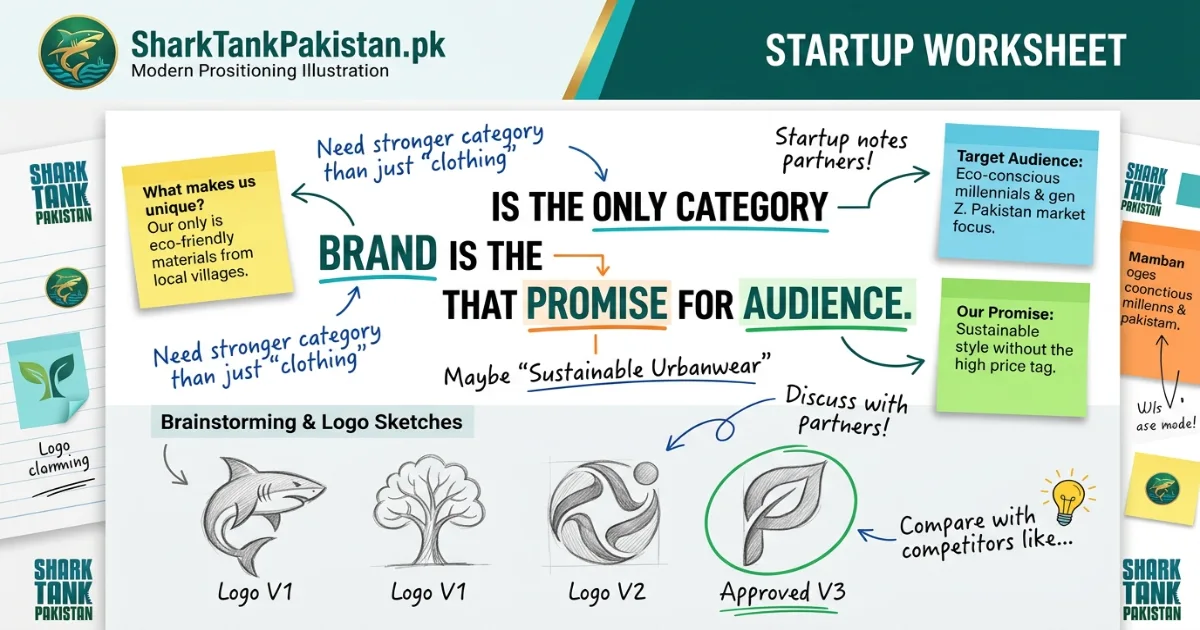
- Define your brand in one sentence that names the specific customer. If you can’t complete “[Brand] is the only [category] that [promise] for [audience]” without using “and,” your positioning is too broad. Narrow it until it hurts — then own that space.
- Make your visual identity match your price point. Audit your packaging, logo, and social presence. If you’re charging a premium, every visual touchpoint must feel premium. If you’re value-positioned, don’t over-polish to the point of feeling inauthentic. Consistency is credibility.
- Weaponize your founder story. The sharks invested in founders, not just products. Your personal connection to the problem is a moat that no competitor can copy. Tell it early, tell it honestly, and let it anchor your entire brand narrative.
The sharks don’t expect perfection — but they do expect intention. A brand that knows exactly what it is and who it’s for has already done half the work of closing a deal.