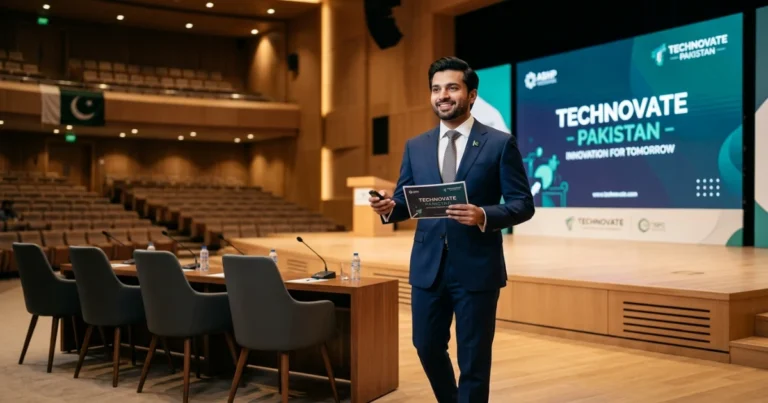
Shark Tank Pakistan Season 2 Auditions: What’s New for 2026?
The Short Answer: Shark Tank Pakistan auditions for 2026 are shifting toward a hybrid model with a stronger digital-first screening process, a new regional outreach campaign across secondary cities, and a clear push for tech-enabled and export-oriented startups. If you’re applying, your pitch video must now demonstrate traction, unit economics clarity, and a scalable business model more explicitly than in Season 1.
The energy around Shark Tank Pakistan auditions 2026 is electric, and for good reason. Season 1 didn’t just introduce Pakistan to the thrill of venture pitching on national television—it rewired how everyday founders think about valuation, equity, and storytelling. Now, as Season 2 begins to take shape, the bar has moved. I’ve been tracking the shifts through producer calls, post-Season 1 data analysis, and conversations with founders who made it past the first gate.
If you’re gearing up to pitch, the playbook you used last year might already be outdated. This guide is your deep-dive into what’s actually different this time around, how to prepare without burning out, and which mistakes could sink your application before a Shark ever sees it.
Why Season 2 Auditions Are a Different Beast Entirely
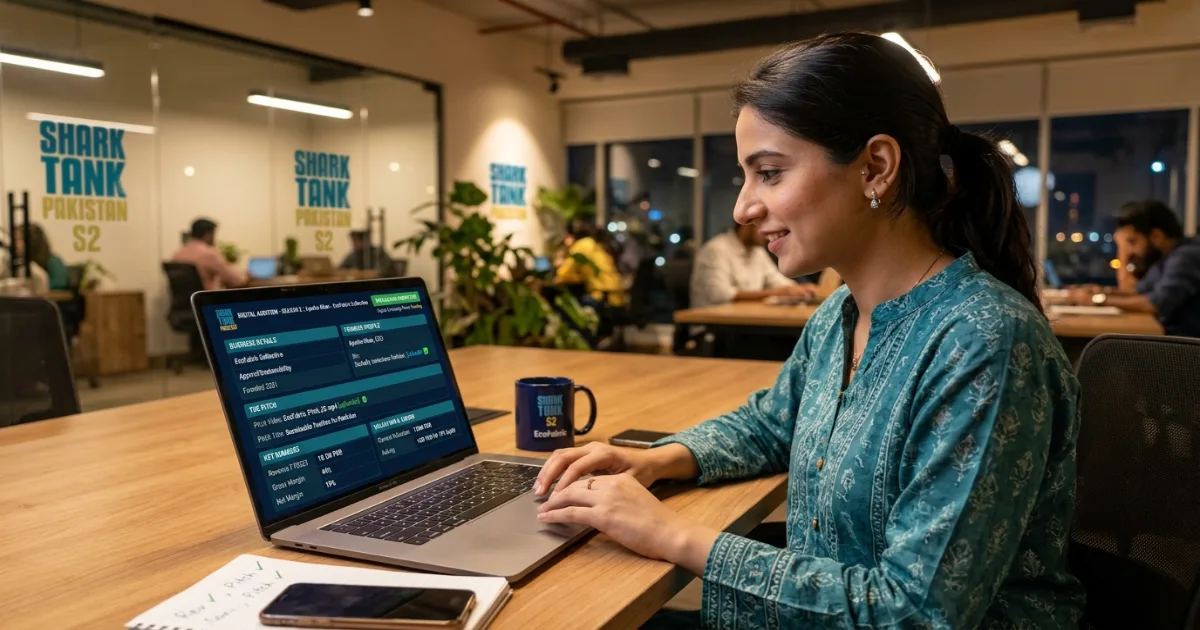
Season 1 was a proof of concept. Producers were figuring out what a Pakistani Shark Tank looks like—the casting was broad, the deals varied wildly in structure, and the audience was being educated in real-time. Season 2 carries the weight of expectation. The show is no longer just an experiment; it’s a launchpad. Global distributors are paying attention, and the quality of deals from the first season has set a minimum threshold. I’ve noticed three foundational shifts for Shark Tank Pakistan auditions 2026: the screening team is larger and more specialized, the application form includes deeper operational questions, and there’s a deliberate hunt for businesses that can scale beyond domestic borders. If your pitch still sounds like a lifestyle business, you’re already behind.
The New Hybrid Audition Model: Digital Submission Plus Regional Bootcamps
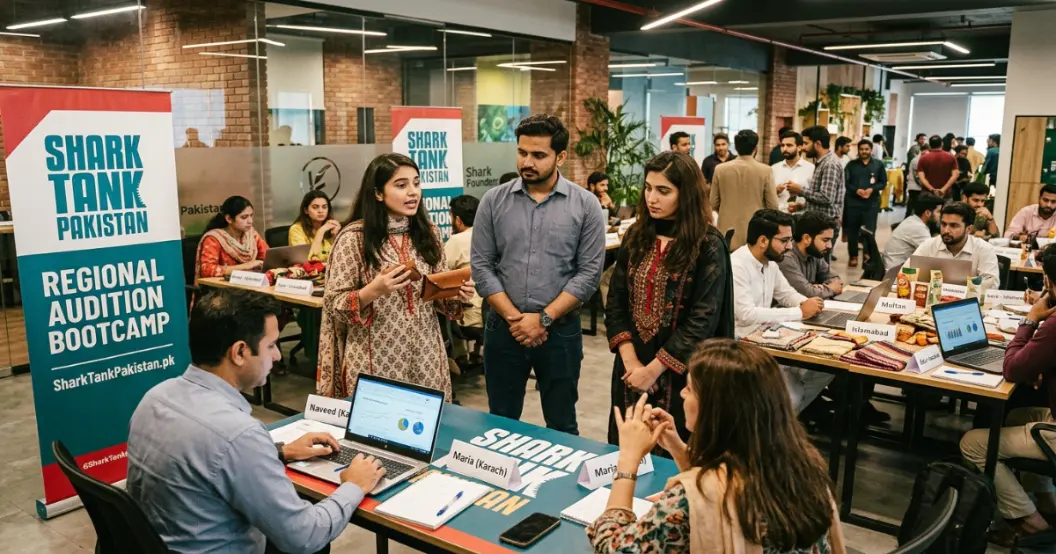
One of the most significant updates for 2026 is the move away from purely open-call city auditions. The producers are integrating a mandatory digital submission that acts as a qualifying round. You can’t just show up at a venue and hope to pitch; you must first pass an online screening. This is designed to filter for serious applicants before the in-person rounds, which are being rebranded as “Regional Immersion Days.
” These sessions will mix auditions with mini-workshops for shortlisted candidates. For founders outside Karachi, Lahore, and Islamabad, this is a huge improvement—you won’t travel across the province just to be turned away in five minutes. But it also means your digital application carries more weight than ever.
What the Sharks Are Looking for Differently in 2026
Based on public statements from the Sharks after Season 1 and patterns in the deals that closed, the investor panel is refining their appetite. They’ve seen the raw enthusiasm; now they want execution rigor. Three themes dominate the Season 2 mandate: export-readiness, tech integration in traditional sectors, and founder coachability. A craft business making artisanal soaps isn’t off the table, but if you can’t articulate a direct-to-consumer global shipping model and a clear digital marketing funnel, the Sharks will lose interest fast.
On the flip side, pure app ideas with zero traction are being screened out more aggressively. The sweet spot? Businesses with 12 to 18 months of consistent, verifiable revenue and a clear plan to triple that within a year of a deal.
Comparison: Season 1 Application vs Season 2 Application Expectations
| Criteria | Season 1 Auditions | Season 2 Auditions (2026) |
|---|---|---|
| Primary Gateway | In-person open call | Rigorous online screening first |
| Video Pitch | 90 seconds, story-heavy | 2 minutes, must show product demo + traction metrics |
| Financial Disclosure | Optional in early stages | Required: revenue, margins, CAC (Customer Acquisition Cost) |
| Regional Access | Major cities only | Hybrid: digital-first plus regional bootcamps in secondary cities like Faisalabad and Multan |
| Shark Focus | Personality and story | Scalability, export potential, and unit economics |
How to Craft a 2026 Pitch Video That Passes the Digital Gate
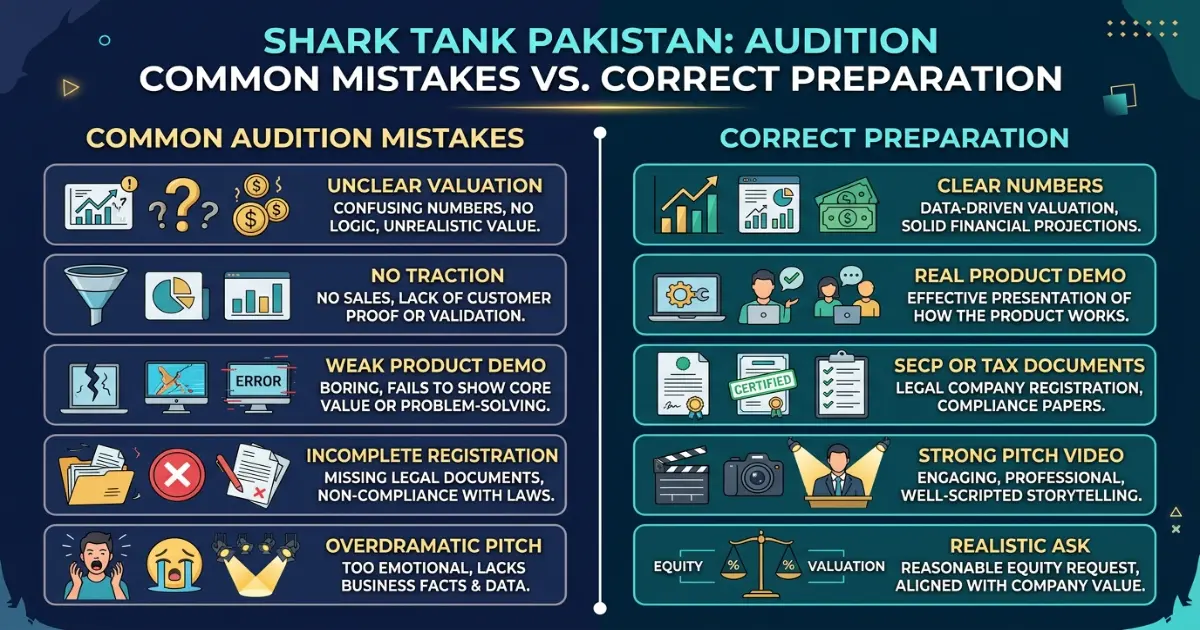
Your video is no longer just an introduction; it’s a data-backed short documentary. The casting team will watch it alongside your filled application form. If the numbers on the form don’t match the confidence in your voice or the product shots don’t look real, you’ll get flagged. Here’s a blueprint that aligns with what the screening analysts want to see.
Step 1: Open With the Pain Point, Not Your Name
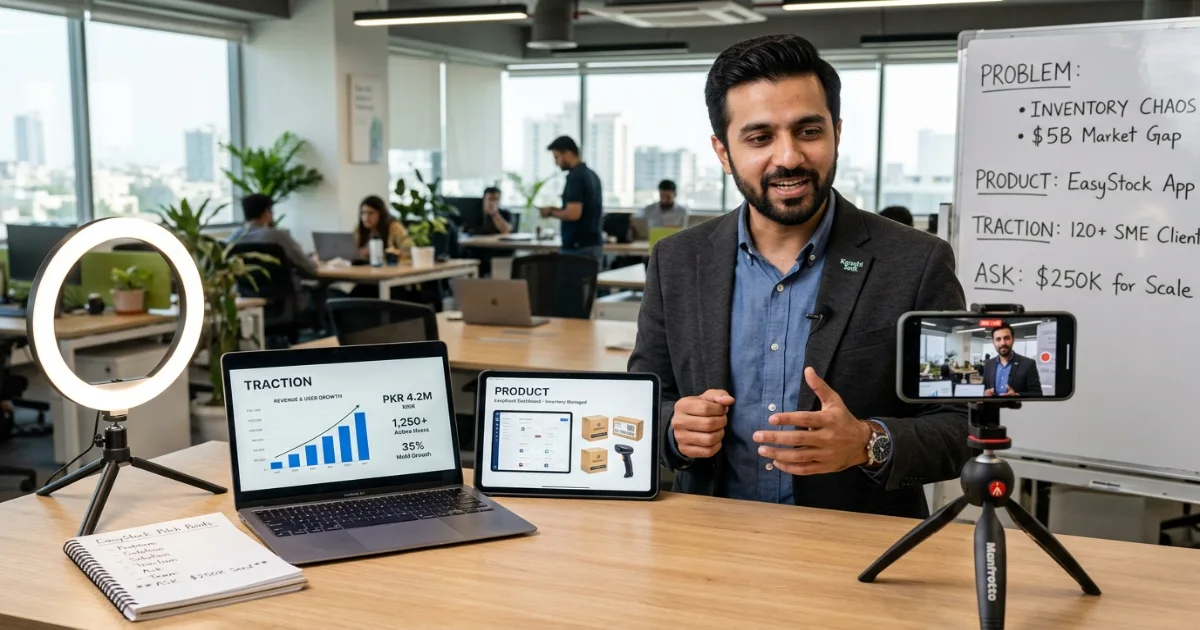
The first five seconds determine whether they’ll watch the remaining 115. State the problem you solve in one sharp, relatable sentence that captures the Pakistani consumer or business reality. “Small restaurants in Pakistan lose 18% of their inventory to spoilage—our cold-chain app stops that.” Immediate context. Immediate relevance.
Step 2: Show the Product Working in Real Life
Avoid overproduced motion graphics unless that is literally your product. Film a real customer using your service or your product on a shelf. The Season 2 screeners are heavily biased toward evidence over concept. If you’re pre-launch, show a working prototype with a screen recording and talk about pilot tests.
Step 3: Deliver the Traction Statement
Right in the middle of the video, state clearly: “In the last 12 months, we’ve served 2,000 customers, generated PKR 8 million in revenue, and maintained a 40% gross margin.” Don’t round too much. Precision signals control. If the numbers are small but growing fast (e.g., 15% month-over-month), lead with the growth rate.
Step 4: State the “Ask” and the “Why Now”
Close by specifying how much capital you need and why this specific moment in Pakistan—due to a regulatory change, a demographic shift, or a new tech penetration—makes your business inevitable. This shows you’re not just a founder; you’re a strategist reading the market.
Situation-Based Adjustments: The Advice Changes Based on Your Stage
No single preparation path fits every applicant. I’ve grouped the most common founder profiles for Shark Tank Pakistan auditions 2026 and tailored the approach. Which scenario sounds like you?
If You’re Pre-Revenue but Have a Tested Prototype
Your risk is lower now than a pure idea, but you must flip the narrative. Don’t pitch the product; pitch the pilot results. Bring letters of intent (LOIs) from one or two potential enterprise clients. You’re not selling current cash flow—you’re selling de-risked future cash flow. Apply to the entrepreneurship calculator on our site to understand what valuation a zero-revenue, high-IP company can reasonably command in Pakistan.
If You’re a Traditional Business Seeking a Tech Pivot
Perhaps you run a textile unit or a food processing plant and want to launch a DTC brand. The Sharks will probe your tech capability hard. Partner with a technical co-founder or an agency before applying, even on a project basis. You need to say, “We’ve already built the Shopify store and integrated Raast payments; we have 300 beta users.” Without that, you risk being categorized as a legacy operator, not an innovative one.
If You’re a Serial Entrepreneur With a Prior Exit
Your application will be fast-tracked, but the skepticism will be higher around your commitment. The screeners fear you’ll get bored. Explicitly address why this new problem has become your obsession and detail the specific resources from your last venture that give you an unfair advantage. Don’t be arrogant; be vivid and granular.

Common Pitfalls & When to Ignore Generic Audition Advice
Much of the advice floating around LinkedIn and YouTube about Shark Tank Pakistan auditions 2026 is either outdated or copied from the US version. Here’s where Pakistani founders consistently stumble—and when conventional wisdom no longer applies.
- Over-Optimizing for “TV Drama”: Yes, the show needs entertainment, but Season 2 producers are explicitly filtering for substance-first pitches. A loud, gimmicky entrance without a solid business will be cut. Don’t fake theatrics; instead, let your growth numbers deliver the drama.
- Ignoring the Partition of Equity: Several Season 1 founders got into trouble because they didn’t understand that giving 10% to a Shark often means founder equity dilutes, but employee stock option pools need to come from somewhere too.
Model dilution using our equity loan calculator before you set your ask.
- Applying With No Legal Registration: Some founders think a great idea is enough. For Season 2, the application explicitly demands SECP registration details or a formal partnership deed. Sole proprietorships are allowed but must have a clear bank account and tax filing record. Don’t try to bypass this; it’s an instant disqualification.
- When to Ignore “Fake It Till You Make It”: In the current Pakistani venture climate, where due diligence is intensifying, bluffing about a patent or a distribution deal that doesn’t exist will destroy your reputation beyond the show. If you’re in talks, say “we’re in active negotiation.” Never claim a signed contract that isn’t real.
How to Use SharkTankPakistan.pk to Sharpen Your Application
We built several tools precisely because we saw how many founders miscalculate their ask or misunderstand their own numbers before the cameras roll. Don’t just read about preparation—run your specific scenario.
Start with our Startup Valuation Calculator. Input your annual revenue, growth rate, and industry. It automatically adjusts for the average multiples seen in Pakistani deals from Season 1 and comparable markets. You’ll immediately see whether your ask is realistic or fantasy. This one step has saved multiple applicants from being laughed out of the room for demanding a PKR 50 million valuation on PKR 2 million in sales. Next, run a scenario through the Equity vs. Loan Calculator.
Many founders default to equity because it’s the “Shark Tank way,” but a royalty-based deal or a convertible note might be far better for your long-term net worth, especially if you’re already generating healthy cash flow. Our calculator shows you the exact cash-out difference over five years.
Real-World Example: What a Successful Season 1 Pitch Teaches Us About Season 2
Take the example of a Karachi-based eco-friendly packaging startup from Season 1. Their initial pitch video was rejected in the pre-screening phase because it spent 60 seconds showing the plastic pollution problem but only 30 seconds on their solution. The founder re-recorded, leading with a 10-second clip of their product holding 15kg of weight, then stating, “We’ve replaced 40 tons of plastic for 15 FMCG clients in six months, generating PKR 12 million in revenue.” The call-back came within two days. For Season 2, this lesson is critical: the digital screener has no patience for long preambles. Prove you exist. Prove you sell. Then explain why it matters.
On the show itself, that founder almost lost the deal by misstating their gross margin. A Shark quickly corrected them using mental math. If you’re unsure between net and gross margin, stop everything and learn the difference now. Season 2 Sharks will do arithmetic live and will not be gentle if you fumble. Use our guides and calculators until the numbers are muscle memory.
The Regional Outreach Shift: Why Faisalabad, Sialkot, and Hyderabad Matter More
One of the biggest editorial criticisms of Season 1 was that it was too Karachi-Lahore-Islamabad centric. The producers heard that loud and clear. For Shark Tank Pakistan auditions 2026, the casting team is actively partnering with local chambers of commerce and incubators in Pakistan’s secondary industrial powerhouses. If you run a surgical instruments business in Sialkot, a sportswear manufacturing unit, or an agri-processing facility in Faisalabad, the show wants you. They’re not just looking for tech startups anymore; they’re looking for industrial innovation.
The criteria in these cities will have a slight weighting toward export volume and employment generation capacity. If that’s you, your application should emphasize your international certifications (ISO, FDA, CE) and your supply chain integration.
Frequently Asked Questions About Shark Tank Pakistan Auditions 2026
Do I need a registered company to apply for Shark Tank Pakistan Season 2?
Yes. You must have at least a sole proprietorship with a bank account and active tax registration or a private limited company registered with SECP. The digital form now explicitly asks for your NTN and registration date; incomplete registrations are automatically filtered out.
How much equity do sharks typically take on Shark Tank Pakistan?
Based on Season 1 data, deals ranged widely from 8% to 40%, with the average equity stake hovering around 18-22%. Season 2 Sharks are expected to push for slightly higher equity in high-risk, early-stage ventures, but offers above 30% are still rare if your traction is solid.
Is there an age limit for applying to the auditions?
Applicants must be at least 18 years old. There is no upper age limit. The show actively encourages experienced professionals and late-career founders to apply, provided their business demonstrates growth ambition. A 55-year-old with a manufacturing innovation is just as competitive as a 22-year-old with an app.
What currency and valuation method should I use for the ask?
All asks are expected in Pakistani Rupees (PKR), though dollar revenue can be mentioned for export businesses. Use a revenue-multiple or discounted cash flow method appropriate to your industry. Avoid quoting inflated fantasy valuations based on Silicon Valley metrics; the Pakistani market reality rewards realistic, grounded pre-money valuations.
Can I pitch a business idea without any sales yet?
It’s extremely difficult for Season 2. While Season 1 accepted a few pre-revenue idea-stage pitches, the screeners now strongly prefer at least a minimum viable product and paid pilot evidence. If you’re pre-sales, you must demonstrate extraordinary domain expertise and a validated prototype.
What happens after I submit my online application?
You’ll receive an automated acknowledgment. If your application passes the initial digital review, a casting associate will contact you within 3-6 weeks for a video interview or to schedule an in-person Regional Immersion Day slot. If you don’t hear back within two months, it’s generally a pass for this season.
Are partnerships and teams preferred over solo founders?
Statistically, teams of 2-3 co-founders with complementary skills (tech, ops, marketing) are preferred. Solo founders can succeed but face higher scrutiny regarding burnout risk and skill gaps. Clearly explain your network of advisors or freelancers who fill the gaps if you’re applying alone.
How does Shark Tank Pakistan differ from the US version in audition style?
The US version heavily scripts the entertainment hook first. In Pakistan’s Season 2 auditions, the cultural emphasis on relationship and trust means the screeners evaluate the founder’s character and integrity story almost as heavily as the business model. Be prepared to talk about your journey, not just your metrics.
Your Fast-Track Cheat Sheet: Top 3 Actions for 2026 Auditions
- 1. Film a two-minute video that opens with your traction, not your name. Show the product in use, state exact revenue/growth figures, and specify why Pakistan right now is the only place this business could explode. Upload it with a fully filled digital application—don’t leave the financial fields blank.
- 2. Stress-test your valuation using real Pakistani multiples. Use the SharkTankPakistan.pk calculator and model your dilution scenario. Walk into the audition knowing your gross margin, unit economics, and a defensible ask amount that matches your stage—not wishful thinking.
- 3. Prepare for the regional shift. If you’re outside the big three cities, leverage your export certifications, local manufacturing edge, and employment story. The Season 2 screeners are actively hunting for industrial innovation beyond metro centres—make sure your application sells that advantage loud and clear.