Shark Tank Pakistan First Season Guide: Episodes, Sharks, Deals & Founder Lessons
Quick Answer: This Shark Tank Pakistan First Season Guide explains the first season, the sharks, major pitch patterns, deal structures, valuation lessons, and practical preparation steps for Pakistani founders. Instead of only watching the drama, this guide helps entrepreneurs understand what investors actually look for before saying yes to a deal.
Accuracy Note: This guide uses the publicly listed Season 1 panel names and treats the first season as 13 aired episodes based on public episode listings. On-air handshakes and offers should not be treated as completed funding unless confirmed after due diligence.
This Shark Tank Pakistan First Season Guide is built for founders, startup students, investors, and fans who want more than a basic episode recap. The first season introduced Pakistani audiences to live startup pitching, investor negotiation, equity dilution, valuation pressure, and the difference between a good business idea and an investable company.
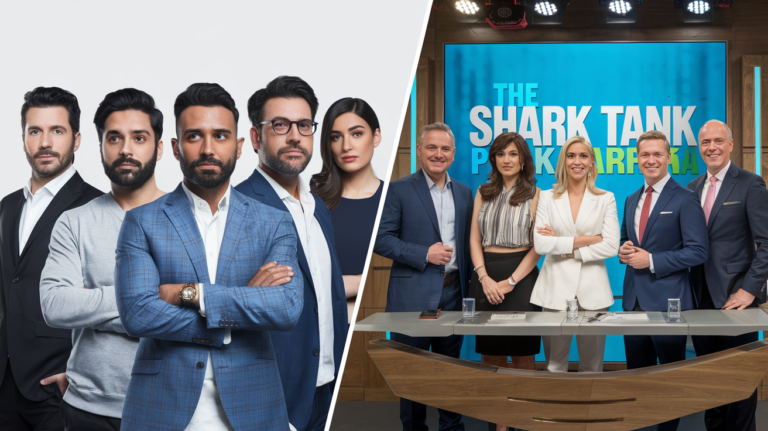
The energy inside the Shark Tank Pakistan set was not just made for television. It reflected a real collision of ambition, capital, founder confidence, and investor discipline.
For many viewers, Shark Tank Pakistan First Season Guide topics like term sheets, revenue multiples, equity percentages, and post-show due diligence became easier to understand through real pitch examples.
Whether you plan to apply for a future season, analyze the deals as an investor, or study how Pakistani businesses are valued, this Shark Tank Pakistan First Season Guide gives you a practical breakdown of the season’s patterns, common founder mistakes, and lessons that can improve your own pitch.
Shark Tank Pakistan First Season Guide to the Sharks
Every shark brought a different investment lens to the tank. Some focused on venture-scale growth, some questioned unit economics, some looked closely at founder discipline, and others judged whether a business could survive Pakistan’s distribution, cash-flow, and operational realities.
The Season 1 panel included Faisal Aftab, Rabeel Warraich, Aleena Nadeem, Romanna Dada, Junaid Iqbal, Karim Teli, and Usman Bashir. For founders, understanding each shark’s background matters because a strong pitch is not only about asking for money.
A prepared founder explains which shark can unlock growth, distribution, mentorship, strategic credibility, technology access, or market expansion. That is where many good pitches become investable opportunities.

Shark Tank Pakistan First Season Guide: Episode and Pitch Patterns
Instead of treating the season as a dry list of pitches, it is more useful to study the patterns. Some founders won attention with emotional storytelling. Others won trust with verified numbers, clear margins, and realistic growth plans.
The strongest pitches usually answered three questions quickly: what problem is being solved, why this founder can solve it, and how the investor’s capital will create measurable growth.
Opening Episodes: Format, Founder Confidence, and First Impressions
The early episodes introduced viewers to the pressure of pitching in front of serious investors. Founders had to explain the business quickly, defend their valuation, and prove that demand was real.
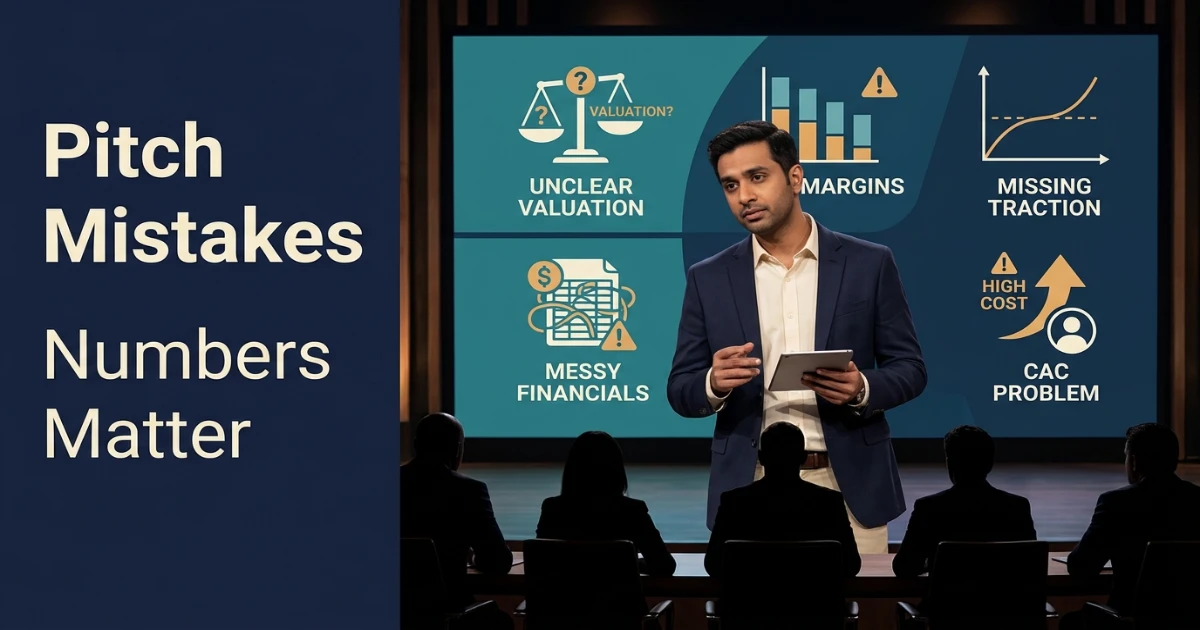
The biggest lesson from the opening phase was simple: if the numbers do not match the story, the sharks notice fast. A polished pitch is helpful, but weak margins, unclear users, and vague revenue claims create immediate doubt.
Middle Episodes: Tech, Consumer Brands, and Valuation Pressure
As the season progressed, digital platforms, consumer products, service businesses, and scalable ideas received deeper questioning. Investors pushed founders on customer acquisition cost, lifetime value, repeat purchases, market size, and distribution.
For this Shark Tank Pakistan First Season Guide, the middle episodes matter because they show the difference between a popular product and an investable company. A founder may have sales, but still fail to explain how investment will multiply growth.
Later Episodes: Negotiation, Equity, and Investor Fit
The later episodes showed how quickly negotiation can shift. Some founders looked confident until equity percentages, valuation logic, and investor control entered the conversation.
A fair valuation helped founders build trust. An unrealistic ask created resistance, even when the idea was promising. The lesson is not to ask for less money; the lesson is to justify every rupee and every equity percentage with a business reason.

Shark Tank Pakistan First Season Guide to Deal Structures
Most recaps stop at who got a deal. But the real education lies in how each deal was structured and why investors pushed for certain terms.
A strong Shark Tank Pakistan First Season Guide should not only list who received an offer. The bigger lesson is how each founder defended valuation, explained traction, handled pressure, and negotiated equity or alternative deal structures.
| Dimension | Straight Equity | Royalty / Revenue Share |
|---|---|---|
| Best for | High-growth startups, scalable platforms, technology-led businesses | Cash-flow businesses, manufacturing, food, retail, and steady sales models |
| Founder impact | Permanent dilution, but investor incentives stay aligned for long-term growth | No permanent dilution, but cash flow is shared until repayment terms are met |
| Investor risk | Higher risk because return depends on future growth or exit | Lower risk because return can come from ongoing revenue |
| Founder preparation | Must defend valuation, growth rate, margins, and future upside | Must prove stable revenue, repayment ability, and clean cash flow |
| Best question to answer | Why will this company become much bigger with the shark? | Can this business repay the investor without damaging operations? |
Expert Insight from Shark Tank Pakistan Editors: A handshake on stage is not the same as a closed investment round. Founders should keep clean books, clear ownership documents, proper company registration, tax records, and realistic revenue reporting before applying.
How the Sharks Evaluate a Pitch: The Unspoken Scorecard
Watching the season carefully reveals a consistent evaluation framework. The sharks may not state it like a checklist, but their questions usually follow the same investor logic.
1. Founder Credibility: Sharks first judge whether the founder can execute. Industry experience, confidence, and command over numbers matter before the pitch deck does.
2. Market Timing: A business may be interesting but still too early for Pakistani customer behavior. Strong founders explain why the market is ready now.
3. Financial Hygiene: Clean books, separated personal and business accounts, realistic revenue, and clear margins build investor trust quickly.
4. Deal Structure: The valuation ask reveals founder maturity. A realistic ask makes negotiation easier, while an inflated number can damage trust in the first few minutes.
What Pakistani Founders Usually Get Wrong
There is a big difference between watching Shark Tank Pakistan as entertainment and studying it as pitch education. Many aspiring applicants absorb the wrong lessons.
Mistake #1: Overvaluing the story while undervaluing the numbers. Emotional storytelling can open the door, but margins, revenue, customer acquisition cost, and repeat sales decide whether the sharks stay interested.
Mistake #2: Confusing a loan with an investment. Many founders pitch stability, assets, and safety. Equity investors usually want growth, scalability, and upside.
Mistake #3: Ignoring post-deal support. The best founders do not only ask for capital. They explain how a specific shark can help with distribution, regulatory access, retail expansion, export channels, or strategic partnerships.
This is why a practical Shark Tank Pakistan First Season Guide should focus on preparation, not just entertainment. The strongest pitches usually combine story, numbers, traction, and a clear reason for choosing a particular shark.
Situation-Based Guidance: Adjusting Your Strategy by Stage
Not every founder should approach the sharks the same way. The pitch that works for a pre-revenue startup may not work for a profitable e-commerce brand.
If You Are Pre-Revenue
You need to sell the vision and the team, but that does not mean making fantasy projections. Lead with traction proxies such as waitlist size, pilot usage, letters of intent, early retention, or verified customer interviews.
Pre-revenue founders should avoid complex financial projections that look impressive but have no real data behind them. Sharks respect ambition, but they punish weak assumptions.
If You Are Generating Consistent Cash Flow
You have a stronger hand if you frame the business correctly. Avoid presenting the company as only a steady income machine.
Explain how investment will unlock a bigger growth lever, such as a new city, manufacturing scale-up, improved logistics, stronger branding, export access, or a technology layer on top of a traditional business.
If You Are a First-Time Founder
Acknowledge it with confidence. Do not bluff. Sharks often respect humility when it is paired with coachability and strong preparation.
A first-time founder can still earn trust by showing customer insight, clean execution, detailed numbers, and a willingness to learn from the right investor.
How to Use SharkTankPakistan.pk Tools to Prepare
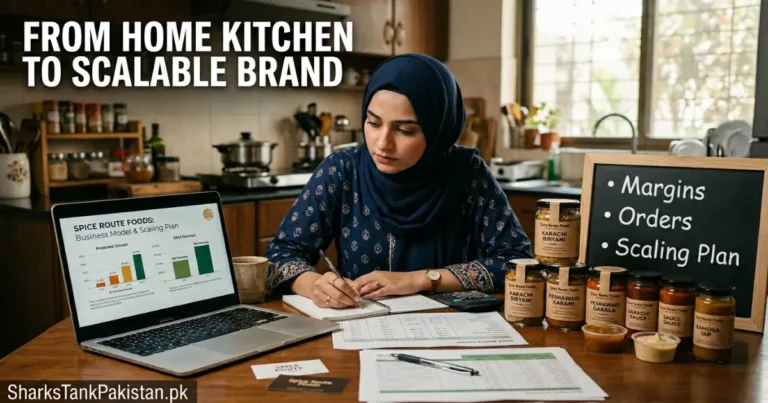
Watching the season is step one. Testing your own assumptions is step two. This Shark Tank Pakistan First Season Guide connects the lessons from the show with practical tools founders can use before pitching.
Startup Valuation Calculator: Plug in your revenue, growth rate, and industry. The calculator can help you compare your funding ask with a more realistic valuation range.
Equity vs. Loan Calculator: If you are unsure whether to give up equity or consider a repayment-style structure, compare the long-term cost of both options.
Pitch Structure Builder: Use a step-by-step pitch format covering the problem, solution, traction, team, ask, use of funds, and investor fit.
Why This Works: Sharks are not only judging memorization. They are testing whether you understand your own business model under pressure. Calculator work and structured preparation help you defend your ask with confidence.

Common Pitfalls and When to Ignore Generic Pitching Advice
Much of the mainstream startup advice online does not fully match Pakistan’s investment environment. Founders need advice that works for local markets, local customers, and local investor expectations.
Pitfall: “Always negotiate.” Negotiation is important, but countering a fair offer without logic can make a founder look unrealistic. Know your minimum acceptable terms before entering the room.
Pitfall: “Bring a massive TAM slide.” A huge market slide is not enough. Investors want to know what part of the market you can realistically capture in the next 12–24 months.
Pitfall: “Only valuation matters.” Strategic value can be worth more than a slightly higher valuation. Distribution, retail access, mentorship, technology, or export channels may change the future of a startup faster than cash alone.
Real-World Lesson: Why Data Builds Trust
The best startup pitches do not rely on confidence alone. They connect founder story with measured proof.
A strong founder can explain how many customers have tested the product, what the repeat purchase rate looks like, how margins change at scale, and exactly where investor money will be used. That level of detail makes the pitch feel real.
For any founder studying this Shark Tank Pakistan First Season Guide, the takeaway is simple: do not wait for investors to find gaps in your business. Find those gaps yourself before you pitch.

FAQs About Shark Tank Pakistan Season 1
What does this Shark Tank Pakistan First Season Guide cover?
This Shark Tank Pakistan First Season Guide covers the sharks, episode patterns, pitch lessons, deal structures, valuation mistakes, and practical preparation tips for founders who want to understand how investors evaluate startups.
Who were the sharks in Shark Tank Pakistan Season 1?
The Season 1 shark panel included Faisal Aftab, Rabeel Warraich, Aleena Nadeem, Romanna Dada, Junaid Iqbal, Karim Teli, and Usman Bashir.
How many episodes were in Shark Tank Pakistan Season 1?
Public episode listings show 13 aired episodes for Season 1. If the official broadcaster updates or expands the archive, this number should be rechecked before publishing.
Do I need a registered company to pitch on Shark Tank Pakistan?
A legally clear business structure is strongly recommended before pitching. Registration, ownership documents, tax records, and clean financials make post-show due diligence easier.
How much equity should a founder offer on Shark Tank Pakistan?
There is no fixed equity percentage. The right offer depends on revenue, growth rate, risk, margins, investor value, and how much capital is required to reach the next milestone.
Can a handshake deal change after the show?
Yes. A televised handshake is usually followed by legal and financial due diligence. Final terms can change if revenue, ownership, debt, or compliance details do not match the pitch.
What is the biggest lesson from Shark Tank Pakistan Season 1?
The biggest lesson is that founders must know their numbers. Storytelling creates interest, but valuation, margins, traction, and investor fit decide whether a deal becomes serious.
Your Fast-Track Cheat Sheet: Top 3 Actions to Take
1. Audit your numbers before you apply. Check revenue, margins, costs, debt, customer acquisition, and ownership documents before building your pitch.
2. Decide your deal structure early. Know whether you prefer equity, royalty, strategic partnership, or a hybrid structure before the pressure of negotiation begins.
3. Study the pattern, not only the drama. Watch how sharks question founders in the first few minutes. Those early questions reveal what your own pitch must answer quickly.