8 Powerful Shark Tank Pakistan New Rules Founders Should Expect
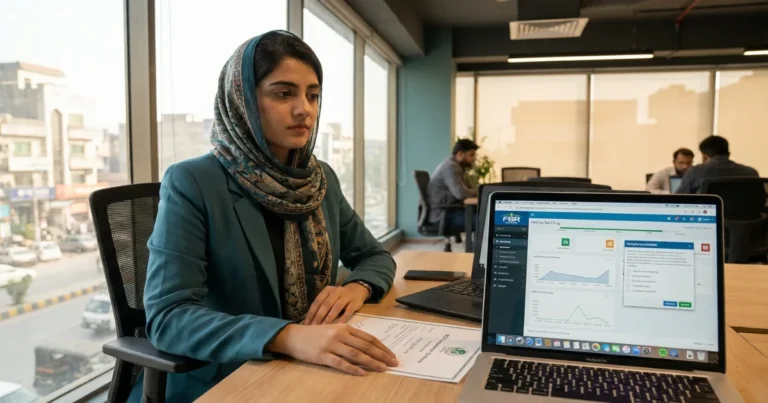
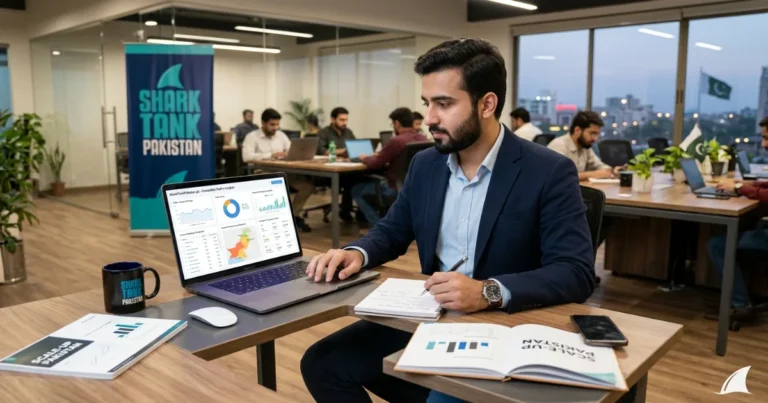
Quick Answer: Shark Tank Pakistan new rules are expected to focus on stronger due diligence, cleaner founder documentation, more realistic valuations, better investor follow-through, and a more professional application process. The safest takeaway for founders is simple: prepare your financials, legal paperwork, ownership structure, and funding ask before the application window opens.

If you watched Season 1 of Shark Tank Pakistan and thought, “I could pitch there,” you were not alone. The show brought startup funding conversations into mainstream Pakistani living rooms. It also exposed a hard truth: a great product demo is not enough if the numbers, ownership, and post-show paperwork do not hold up.
This guide explains the Shark Tank Pakistan new rules founders should prepare for without pretending that every internal Season 2 policy has already been publicly confirmed. Public reporting has pointed toward enhanced due diligence for both startups and investors, while founder conversations after Season 1 highlighted concerns around documentation, deal follow-through, and post-show clarity. That makes Season 2 less about showmanship and more about investment readiness.
Editorial note on sources and wording
This article avoids unsupported claims such as exact new quotas, guaranteed coaching tracks, fixed mentorship clauses, or on-screen term-sheet features unless they are officially announced. Public reporting connects Shark Tank Pakistan with Grenlit Studios and Green Entertainment, and Dawn has reported that the next season is understood to include enhanced due diligence processes for startups and investors. The Friday Times also discussed post-show founder concerns and deal follow-through issues after Season 1.
Best reading rule: treat this as a founder-preparation guide, not as an official rulebook from the producers.
Why Season 2 Needs a More Professional Founder Process
Season 1 proved that Pakistani founders have bold ideas, strong stories, and real appetite for televised investment. But a televised handshake is only the beginning. In most investor-led deals, the real test happens after filming: bank statements are reviewed, ownership documents are checked, tax records are requested, and founders must prove that the claims made on camera match the business reality.
That gap is exactly why stronger preparation matters. A founder may be exciting on stage, but if the business cannot survive due diligence, the deal can slow down, change, or collapse. Season 2 applicants should expect a higher bar in five areas:
- Financial proof: Revenue, margins, liabilities, inventory, and cash flow should be backed by records.
- Ownership clarity: Cap tables, partner shares, family ownership, and prior investor rights should be documented.
- Legal readiness: Business registration, tax status, trademarks, supplier agreements, and employment arrangements should be cleaner.
- Valuation discipline: Founders should justify the ask with revenue, growth, margins, comparable deals, or asset value.
- Post-show execution: A deal is stronger when both founder and investor know what happens after the cameras stop rolling.
The 8 Shark Tank Pakistan New Rules Founders Should Prepare For
1. Stronger Due Diligence Before and After Filming
The most credible expected Shark Tank Pakistan new rule is enhanced due diligence. For founders, this means the production and investment teams may look more carefully at revenue claims, ownership documents, tax details, debts, and prior commitments before a pitch is selected or before a deal is finalized.
This does not mean every founder needs a perfect corporate structure. It means your claims should be easy to verify. If you say your business did PKR 20 million in sales, you should know how much of that was recurring revenue, how much was one-time revenue, how much was cash-based, and how much can be matched to bank deposits or invoices.
2. More Pressure on Realistic Valuations
Season 1 created plenty of educational moments around valuation. Some founders came in with ambitious asks based mainly on future potential. In Season 2, founders should expect tougher questions around how they calculated the business value.
Under the Shark Tank Pakistan new rules founders should expect valuation questions, so a good valuation explanation should be simple enough to say in 30 seconds. For example: “We did PKR 18 million revenue last year, maintain a 42% gross margin, and are asking at a valuation that reflects our growth, repeat customers, and current purchase orders.” That sounds more credible than “the market is huge, so our company is worth this much.”
3. Cleaner Founder Ownership and Cap Tables
Many Pakistani businesses are family-led, partner-led, or informally structured. That can work operationally, but investors need clarity before writing a cheque. Season 2 founders should be ready to answer who owns what, who has decision-making authority, whether any silent partners exist, and whether previous lenders or investors have rights over the company.
If your co-founder owns 30%, your brother financed inventory, and your uncle owns the trademark, that information should be clear before you enter the tank. A Shark cannot confidently invest in a business where the ownership story changes after the episode.
4. Better Separation Between Revenue, Grants, Loans, and Personal Cash
One common startup mistake is presenting all incoming money as “revenue.” A grant is not the same as customer revenue. A loan is not sales. Founder cash injected into the business is not product-market fit. Season 2 applicants should separate these categories clearly.
When you show your financials, split income into customer sales, recurring sales, one-time large orders, grants, loans, and owner contributions. This makes your pitch more transparent and prevents awkward questions later.

5. More Focus on Investor Follow-Through
Season 1 sparked public discussion about whether televised offers always turn into completed investments. That conversation matters because a show like Shark Tank Pakistan is not only entertainment; it also shapes trust in the startup ecosystem.
For Season 2, founders should think beyond “Can I get a yes?” and ask “What does a good post-show process look like?” A useful investor conversation should cover due diligence timeline, documents required, expected closing date, advisory involvement, governance rights, and what happens if numbers change after filming.
6. Stronger Application Materials for Early-Stage Startups
Pre-revenue founders can still be interesting, but the bar for proof is different. If you do not have revenue, you need stronger evidence of demand: pilot users, letters of intent, waitlists, prototype testing, distributor interest, school or clinic partnerships, or repeated customer interviews.
Do not pitch an idea only as “Pakistan needs this.” Show proof that a specific group of Pakistanis has already tried, requested, reserved, tested, or paid for something close to your solution. That is what turns an early-stage idea into an investable opportunity.
7. More Careful Editing Around Deal Reality
One important lesson from Shark Tank-style shows is that on-camera offers can change after due diligence. A handshake on screen is a serious signal, but it is usually followed by verification, legal paperwork, and final negotiation.
That means founders should avoid treating airtime as the only goal. A clear, honest pitch is better than a flashy claim that creates problems later. If your margins are 28%, say 28%. If your revenue includes a one-time corporate order, say that clearly. The right Shark will respect clean numbers more than inflated confidence.
8. More Opportunity for Prepared Regional Founders
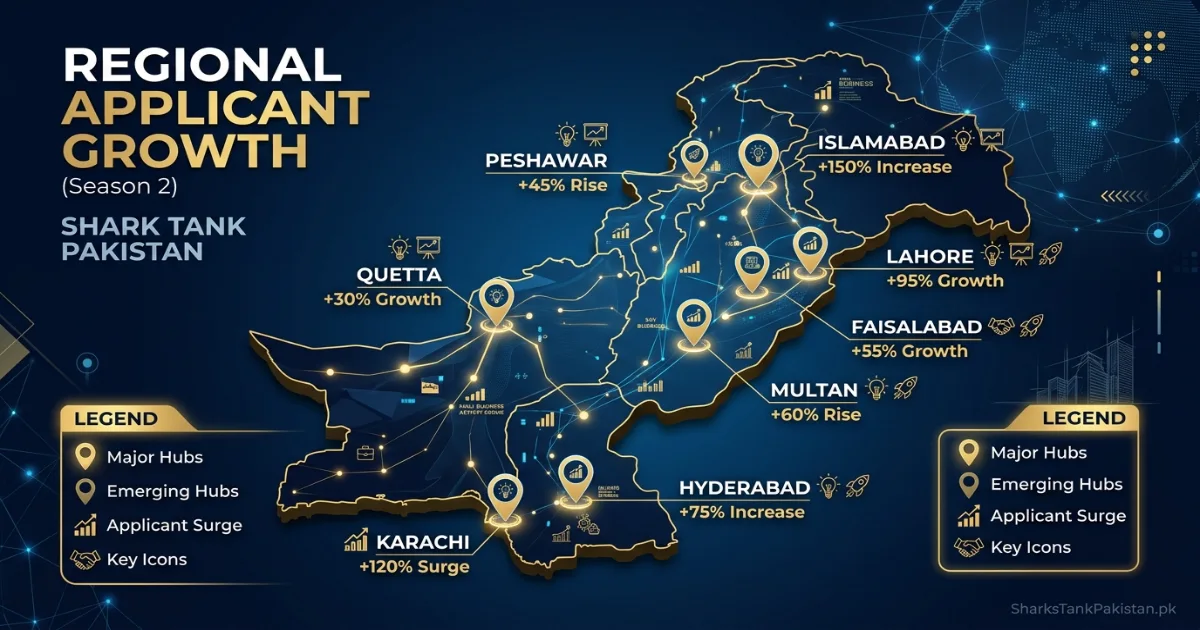
Pakistan’s startup conversation often centers on Karachi, Lahore, and Islamabad. But strong businesses also exist in Faisalabad, Multan, Peshawar, Quetta, Hyderabad, Sialkot, Gujranwala, and many smaller commercial hubs. Season 2 should be a chance for founders outside the usual startup circles to prepare better and compete seriously.
Regional founders should lead with their advantage: manufacturing access, community trust, local distribution, lower operating costs, supplier relationships, or deep understanding of a specific buyer segment. Location is not a weakness if your numbers and execution are strong.
Shark Tank Pakistan New Rules: Season 1 vs Season 2 Preparation
| Area | Season 1 Lesson | Season 2 Preparation |
|---|---|---|
| Financial claims | Founders learned that big numbers attract scrutiny. | Prepare bank-backed revenue, margin, inventory, and debt records. |
| Valuation | Inflated valuations created tense investor questions. | Use revenue, profit, assets, growth rate, and comparable benchmarks. |
| Ownership | Informal partner structures can slow investment follow-up. | Clarify cap table, founder roles, investor rights, and trademark ownership. |
| Deal follow-through | Some on-air offers may require further checks before closing. | Ask about due diligence timeline, legal process, and expected next steps. |
| Application quality | A good story helped, but weak numbers hurt. | Submit a clear pitch deck, clean documents, and practical use-of-funds plan. |
What These Changes Mean for Different Founder Types
If You Are Pre-Revenue
Your goal is to prove demand before revenue exists. Use pilot data, product demos, user interviews, letters of intent, waitlists, or small paid tests. A pre-revenue pitch should not rely only on passion. It should show that a real buyer group is ready for your solution.
If You Are Revenue-Positive
You are in a stronger position, but only if your books are clean. Know your monthly revenue, gross margin, customer acquisition cost, repeat purchase rate, payback period, and cash-flow pressure. These numbers help investors understand whether the business is merely selling or truly scaling.
If You Are a Family Business
Family businesses can be powerful because they often have trust, suppliers, and operating history. But they need documentation before taking outside money. Clarify who owns the company, who signs contracts, who controls bank accounts, and whether the Shark is investing in the whole business or a new growth unit.
If You Are a Woman Founder
Women-led businesses should prepare with the same investment discipline as any other startup: clean numbers, clear market insight, strong customer proof, and a confident ask. Do not allow the pitch to become only an inspirational story. Let the story open the door, then let the business case close the deal.
If You Are Outside Karachi, Lahore, or Islamabad
Regional founders should not apologize for being regional. Lead with operational advantages: local sourcing, manufacturing links, low churn, community distribution, or profitable offline demand. A practical business from Multan or Faisalabad can be more investable than a polished deck with no traction.
Common Mistakes Founders Should Avoid Before Season 2
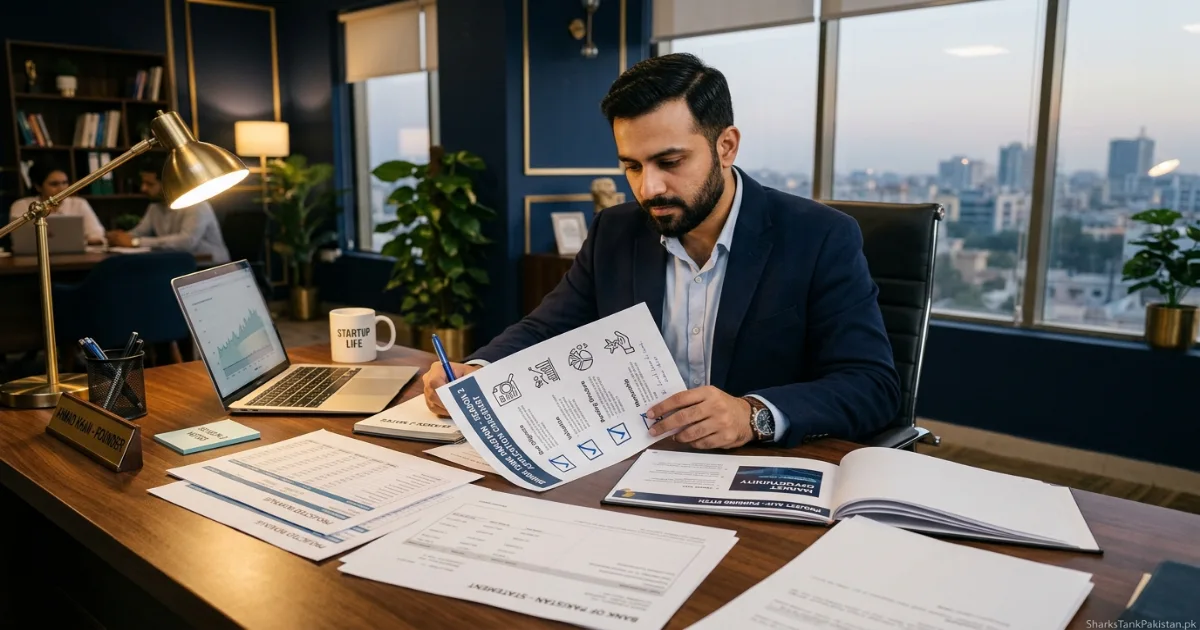
Mistake #1: Treating grant money as normal revenue. Grants can be useful, but they are not the same as repeat customer demand. Separate them clearly in your financials.
Mistake #2: Asking for money without a use-of-funds plan. “Marketing and expansion” is too vague. Break the ask into inventory, hiring, equipment, tech, working capital, and contingency.
Mistake #3: Hiding debt until later. Debt is not always bad, but undisclosed debt destroys trust. Explain what you owe, why you borrowed, and how it affects cash flow.
Mistake #4: Forgetting that a televised offer is not always the final close. The better mindset is: pitch to win interest, then prepare to pass due diligence.
Mistake #5: Overusing global startup buzzwords. Pakistani investors usually want practical clarity: who buys, why they buy, how often they buy, how much profit remains, and how the Shark helps scale it.
How to Prepare Your Shark Tank Pakistan Season 2 Application
- Build a one-page founder summary. Include business name, registration status, founders, location, product, traction, ask, valuation, and use of funds.
- Clean your financials. Reconcile sales with bank records, invoices, payment screenshots, inventory logs, and expense sheets.
- Prepare your ownership documents. Write down founder shares, partner roles, trademark ownership, previous loans, and any investor rights.
- Choose a funding structure. Decide whether pure equity, royalty, loan, or a convertible-style structure would fit your business best. Get basic legal advice before saying yes on camera.
- Practice the valuation answer. Explain your valuation with revenue, margin, growth, assets, purchase orders, customer base, or comparable business logic.
- Record a 90-second pitch video. Watch it back and check whether the business is understandable without extra explanation.
- Prepare for post-show due diligence. Assume investors will ask for documents after filming. If you prepare early, the process becomes less stressful.
What Founders Should Ask the Sharks Before Accepting an Offer
A deal is not only about cash. It is also about access, time, expertise, and alignment. Before accepting an offer, founders should be ready to ask calm, professional questions:
- What support will the Shark provide beyond capital?
- How long will due diligence take after filming?
- What documents will be required to close the deal?
- Will the Shark help with distribution, hiring, manufacturing, fundraising, or governance?
- What rights will the Shark expect after investment?
- What happens if due diligence changes the valuation or investment terms?
These questions do not make you difficult. They make you investable. Serious investors respect founders who understand the process.

Frequently Asked Questions
What are the most likely Shark Tank Pakistan new rules?
The most credible Shark Tank Pakistan new rules center on stronger due diligence, cleaner founder documentation, more careful investor screening, and better post-show deal follow-through. Founders should avoid assuming unconfirmed details until the producers announce official rules.
Has Shark Tank Pakistan Season 2 officially confirmed all new rules?
Not all detailed rules are publicly confirmed. That is why this guide uses careful wording. Public reporting supports stronger due diligence as an expected direction, but exact application tiers, quotas, mentorship clauses, and on-screen deal formats should not be treated as official unless announced by the show or production team.
Do I need audited financials to apply?
Audited financials may help, especially for revenue-positive companies, but many early-stage businesses may not have full audits. At minimum, founders should prepare bank statements, invoices, sales records, expense sheets, tax details, and a clear explanation of revenue sources.
Can I apply with an idea and no revenue?
You may be able to apply with an early-stage idea, but you need proof of demand. A prototype, pilot test, waitlist, letters of intent, user interviews, or small paid trials will make the application stronger than an idea alone.
Are on-camera Shark Tank Pakistan deals final?
On-camera offers should be treated as serious investment interest, but deals can still require due diligence, legal checks, and final documentation after filming. Founders should prepare for the post-show process before accepting any offer.
How should I calculate my valuation before applying?
Use a mix of annual revenue, profit margin, growth rate, assets, customer retention, purchase orders, and industry comparisons. Avoid choosing a valuation only because it sounds impressive. Sharks are more likely to respect a realistic ask with clear logic.
What documents should I prepare before Season 2 applications?
Prepare business registration, founder IDs, bank statements, sales records, invoices, tax records, cap table, supplier contracts, employment details, trademark information, debt records, and a use-of-funds plan. Having these ready makes your pitch more credible.
Shark Tank Pakistan New Rules Cheat Sheet: 3 Actions to Take Now
- Verify your numbers. Make sure revenue, profit, debt, and inventory claims match documents you can actually show.
- Clarify ownership. Write down who owns what, who can sign deals, and whether any lender, family member, or partner has business rights.
- Prepare for due diligence, not just airtime. The strongest Season 2 founders will be those who can pitch well and then prove everything after the cameras stop.